The Hidden Threat of Supershear Earthquakes in California's Insurance Market
A new study reveals that California's earthquake insurers may be underestimating risks associated with supershear earthquakes, which could drastically impact loss projections and insurance policies. This article explores the implications of these findings for insurers and policyholders alike.

As California's residents and businesses continue to recover from the fallout of past seismic events, a new study uncovers a potentially significant blind spot in the state’s earthquake insurance landscape. Research from MS Amlin, a prominent Lloyd's insurer, suggests that catastrophe models may be dramatically underestimating the risks of supershear earthquakes—rare but highly destructive seismic events. This revelation not only affects insurance underwriting and pricing but also poses a significant risk to financial stability for those living and operating in one of the most earthquake-prone regions of the United States.
Supershear earthquakes occur when a rupture moves along a fault at a speed that exceeds the shear wave speeds it generates, resulting in intensified shaking and damage. This phenomenon mirrors the sonic booms produced by supersonic aircraft, where seismic energy manifests in concentrated pulses across wider areas. The implications of these findings are staggering: losses from supershear events could increase by as much as 60% at a 500-year return period, a fact that California insurers must grapple with as they assess their risk exposure and prepare for future events.
Understanding Supershear Events
To fully appreciate the implications of supershear earthquakes, it's crucial to understand the mechanics behind them. Unlike typical earthquakes, which release energy at various points along a fault, supershear events deliver energy in a more concentrated manner. This concentration can lead to dual pulses of seismic energy arriving simultaneously, resulting in complex torsional forces on buildings and infrastructure that are difficult to engineer against.
The Mechanics of Supershear
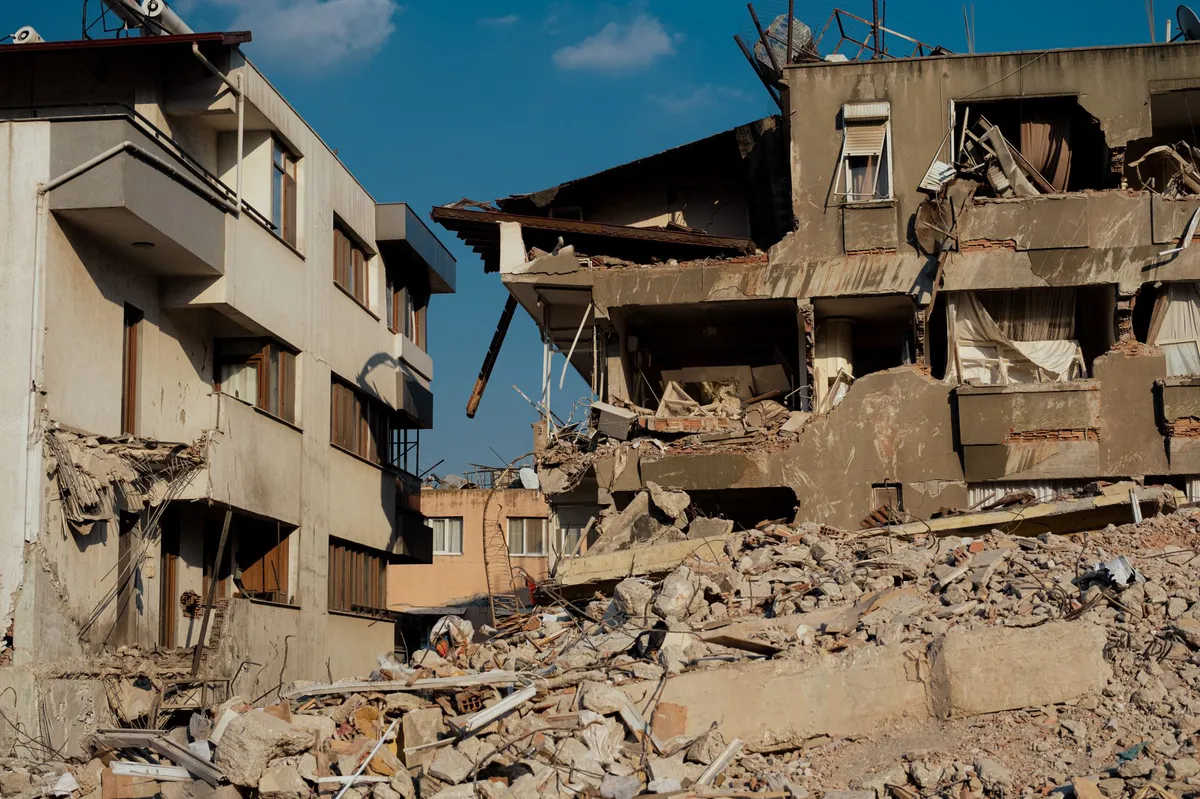
Luke Wedmore, senior research analyst at MS Amlin and co-author of the study, explains, "All that seismic energy from your P and S waves arrives at the same time. Because you've got much more energy, that is one of the reasons these earthquakes are much more destructive." The study revealed that supershear events accounted for approximately 58% of insured earthquake losses since 2016, which translates to a staggering $13.2 billion in claims.
The California Context: A Recipe for Supershear
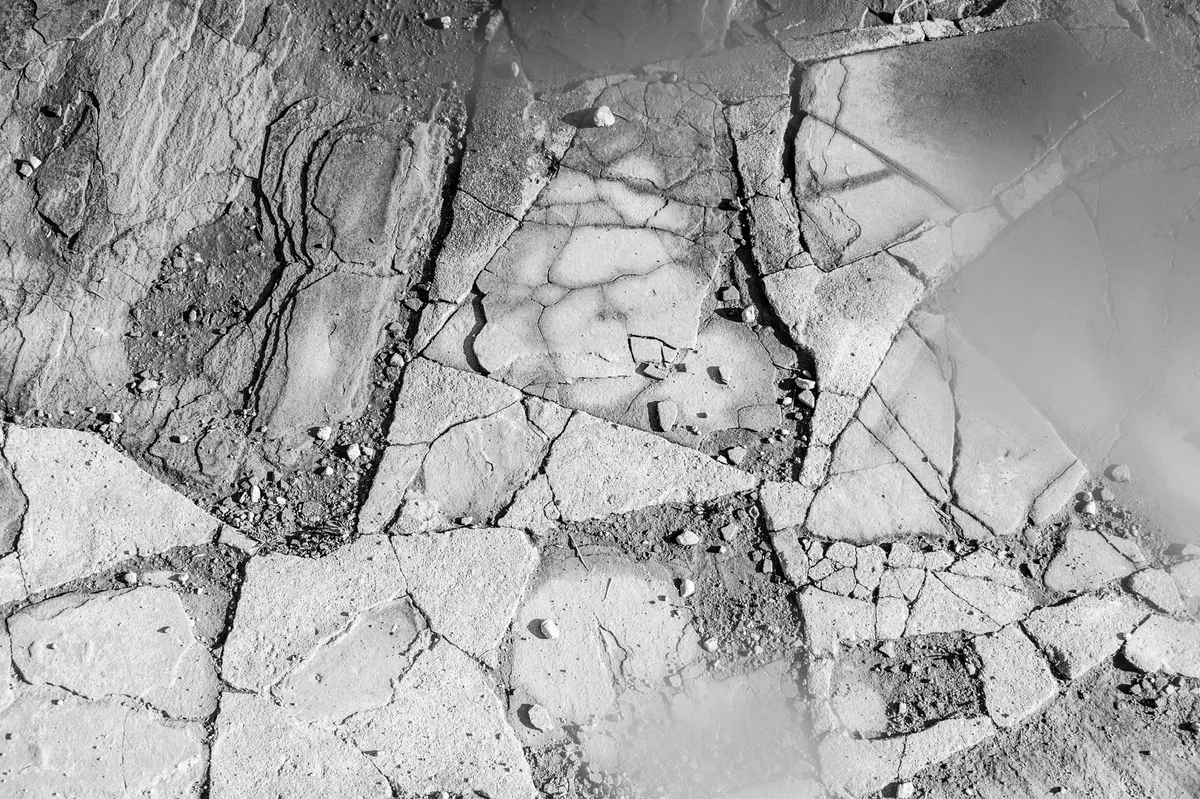
California's geological characteristics make it particularly vulnerable to supershear earthquakes. The San Andreas Fault, a prominent strike-slip fault, possesses several features conducive to supershear behavior: its straight segments and the differing geology on either side of the fault line. Historical assessments have suggested that notable past earthquakes, such as the 1906 San Francisco earthquake, may have exhibited supershear characteristics.
As the U.S. Geological Survey's UCERF3 forecast indicates, California faces a 60% probability of experiencing a magnitude 6.7 earthquake in the Los Angeles region and a 72% probability in the San Francisco Bay Area over the next 30 years. With the possibility that California is currently in an unusually quiet period regarding seismic activity, the potential for future supershear earthquakes could be exacerbated.
The Quiet Before the Storm
Wedmore points out that California may be experiencing the longest period of inactivity on its major faults in the last millennium. This prolonged quiet could foster complacency among residents and insurers alike, particularly since there has been no major quake on the scale of the 1994 Northridge earthquake for over three decades. However, historical patterns suggest that after periods of dormancy, significant seismic activity could occur in rapid succession, potentially leading to catastrophic consequences.
Implications for Insurers and Policyholders
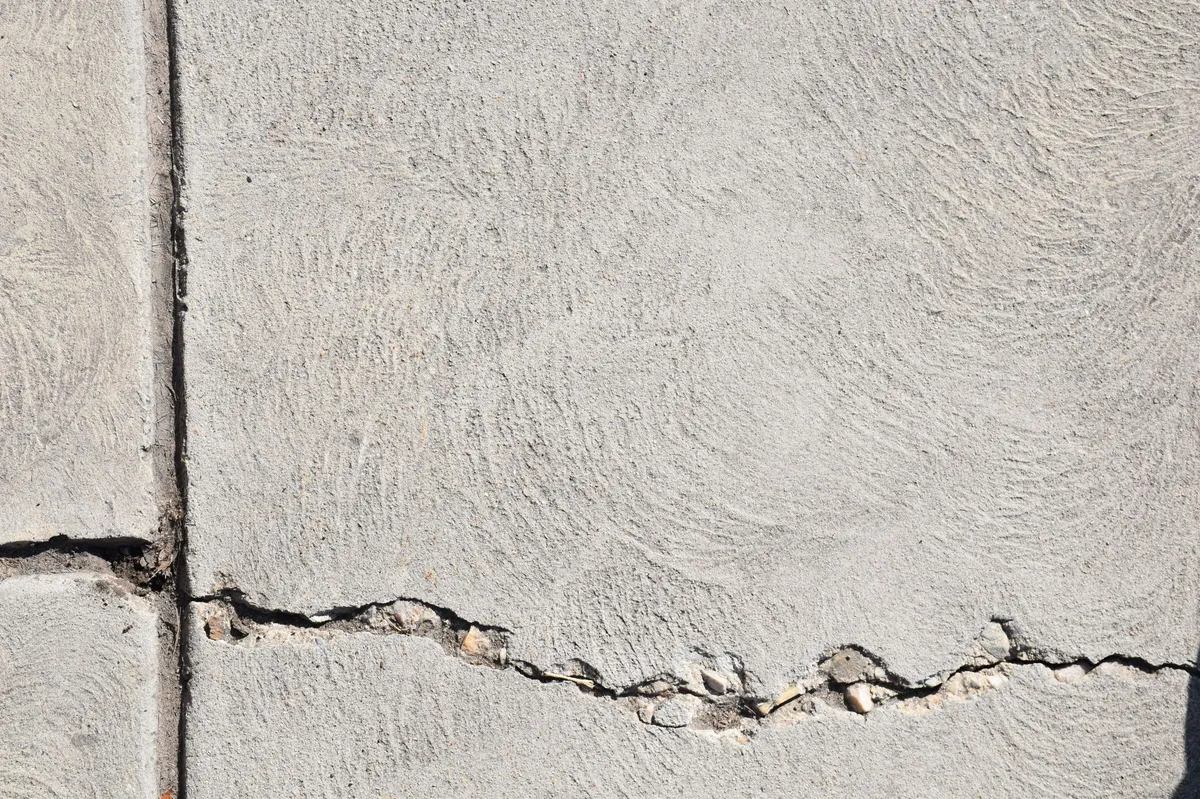
The findings from MS Amlin's study carry far-reaching implications for insurers and policyholders in California. If supershear events are not adequately factored into catastrophe models and underwriting processes, insurers may find themselves ill-prepared for the financial fallout from these high-risk scenarios. The study advocates for an immediate reassessment of existing models, urging the insurance industry to incorporate supershear effects into their risk evaluations.
Strategies for Insurers
Insurers must begin by stress-testing their portfolios against the potential for supershear ruptures. This involves identifying long strike-slip faults that are capable of such events and examining alternative shaking patterns that could arise from them. While these considerations may not directly influence pricing, they represent critical tail risks that insurers cannot afford to ignore.
- Increased Loss Projections: By incorporating supershear effects, losses could rise by as much as 60% at certain return periods.
- Historical Context: Past events, such as the 1906 San Francisco earthquake, suggest supershear behavior is not just theoretical.
- Current Risk Assessments: Insurers should update their catastrophe models to include the possibility of supershear earthquakes.
Key Takeaways
- Supershear earthquakes pose a significant risk that is largely unaccounted for in current insurance models.
- California's geological conditions make it particularly susceptible to these events.
- Insurers are urged to update their risk assessments to include supershear effects to better prepare for potential financial impacts.
- Policyholders should be aware of the increased risks and consider reviewing their earthquake insurance coverage.
Frequently Asked Questions
What are supershear earthquakes?
Supershear earthquakes are seismic events where the rupture moves along a fault at or above the speed of shear waves, leading to a concentrated release of seismic energy. This results in a more intense shaking that can affect larger areas and create complex torsional forces on structures, making them more destructive than conventional earthquakes.
Why is California particularly vulnerable to supershear earthquakes?
California's unique geological features, particularly along the San Andreas Fault, create conditions conducive to supershear ruptures. The fault's straight segments and differing geology on either side enhance the likelihood of supershear behavior, as evidenced by historical earthquakes that may have exhibited these characteristics.
How can insurers prepare for the risks associated with supershear earthquakes?
Insurers should begin by stress-testing their portfolios to identify long strike-slip faults capable of supershear rupture and examining alternative shaking patterns. Updating catastrophe models to include supershear effects is essential to ensure that risk assessments are comprehensive and accurate.
What should policyholders do in light of these findings?
Policyholders should review their earthquake insurance policies to ensure adequate coverage, considering the potential for increased risks associated with supershear earthquakes. Staying informed about the evolving understanding of seismic risks can help individuals and businesses make better decisions regarding their insurance needs.
Comments
The Insured Collector: Why Young Luxury Buyers Are Overlooking Coverage
A new Chubb study reveals that while young luxury collectors view their acquisitions as investments, a significant number remain uninsured. This gap points to misconceptions about insurance adequacy and highlights the need for education on valuable item protection.

Related articles
Popular in Home Insurance
- 2026 Sees Below-Average Severe Convective Storm Losses: What It Means for Insurance
- El Niño and Wildfires: Preparing for a Fire-Prone Future
- Young Affluent Collectors: The Underinsurance Dilemma in Luxury Investments
- Wisconsin Property Owner Sues City and Insurers Over Contamination Cleanup Costs
- Rising Catastrophe Risks: How Europe’s Insurers Are Adapting to Climate Change