The Insured Collector: Why Young Luxury Buyers Are Overlooking Coverage
A new Chubb study reveals that while young luxury collectors view their acquisitions as investments, a significant number remain uninsured. This gap points to misconceptions about insurance adequacy and highlights the need for education on valuable item protection.
In recent years, a new wave of collectors has emerged among affluent young Americans, characterized by a blend of passion and investment acumen. According to a study by Chubb, a leading global insurance provider, 78% of these collectors prioritize the future value of their acquisitions, treating items like watches, art, and sports memorabilia as assets. However, despite their financial savvy, fewer than half have taken the crucial step of insuring their collections. This disconnect between collecting as an investment strategy and the lack of appropriate insurance coverage raises important questions about awareness, risk management, and the evolving landscape of luxury collecting.
The Chubb study, which surveyed 1,000 affluent individuals aged 20 to 45 with incomes ranging from $250,000 to over $1 million, sheds light on the motivations and behaviors of a demographic often referred to as HENRYs (high earners, not rich yet). Collecting is not merely a hobby for this group; it is a disciplined practice that reflects a commitment to both personal enjoyment and financial growth. Yet, the findings reveal a troubling misconception that homeowners insurance fully covers valuable collections, a belief that can lead to significant financial loss in the event of theft or damage.
Understanding the Collector's Mindset
As the Chubb study indicates, collecting is deeply embedded in the lifestyles of young affluent Americans. The data reveals that 59% of art and antiques collectors have been at it for five years or more, while 57% of sports memorabilia enthusiasts share a similar commitment. This long-term dedication underscores the evolution of collecting from a mere pastime to a structured investment strategy.
The Motivations Behind Collecting
Motivations for collecting vary by category:
- Art and Antiques: 35% say the thrill of finding rare pieces drives their passion.
- Watches and Jewelry: 42% cite status and prestige as key factors.
- Wine Collectors: 45% are motivated by similar themes of status and enjoyment.
- Sports Memorabilia: Emotional attachment and nostalgia are significant motivators.
Despite the investment angle, personal enjoyment remains a central theme. Across all categories, about three-quarters of collectors actively engage with their items, whether by displaying or using them. This enjoyment is particularly pronounced among wine collectors, with 81% savoring their own collections.

The Insurance Coverage Gap
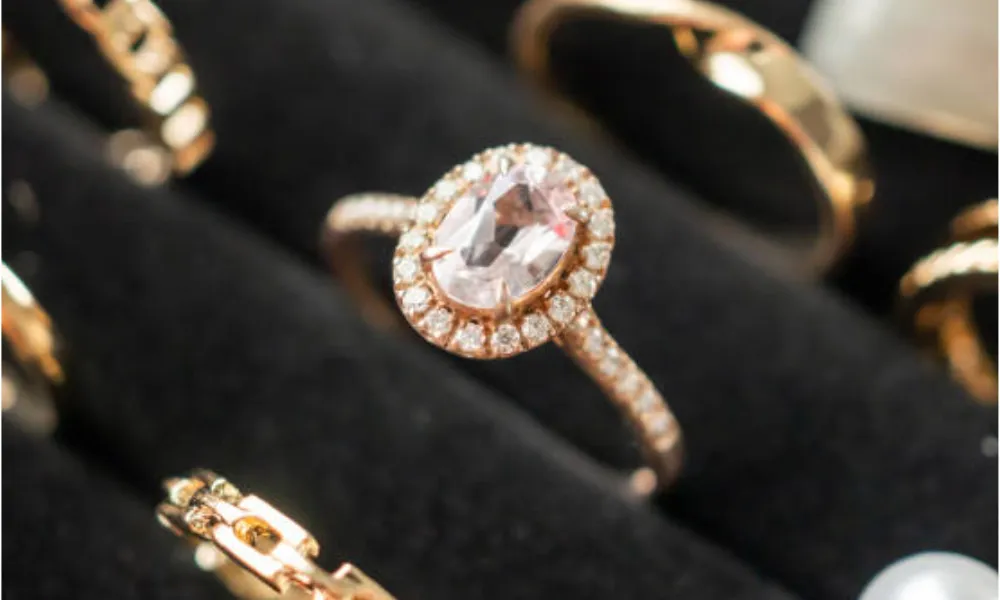
Despite their investment-minded approach, many young collectors mistakenly believe that their homeowners insurance is sufficient to cover their valuable items. This misconception is rooted in the structure of standard homeowners policies, which often impose sublimits on categories like jewelry and fine art. For instance, a ring valued at $15,000 might only be covered for $1,000 to $2,500 under a typical homeowners policy, leaving a substantial financial gap in the event of theft or loss.
Insurance Misconceptions
Chubb's findings reveal that 46% of uninsured collectors are under the impression that their current policies provide adequate coverage. This belief, coupled with a lack of urgency—38% of respondents simply have not gotten around to purchasing a policy and 34% underestimate their risk of loss—highlights a critical need for educational efforts in the insurance landscape.
Only 14% of those surveyed cited cost as a barrier to obtaining insurance, suggesting that awareness and understanding of the risks associated with uninsured collections are more significant factors. Theft and accidental damage are major concerns, affecting 45% and 42% of collectors, respectively, indicating a pressing need for comprehensive coverage.

The Growing Market for Valuables Insurance
The global valuables insurance market is projected to grow significantly, valued at approximately $14.8 billion by 2025, with the collectibles segment expected to expand at a compound annual growth rate of 8.5% through 2034. This growth is driven by increasing valuations in trading cards, vintage watches, and unique collectibles.
Recognizing the gap in coverage and the unique needs of young collectors, Chubb has begun initiatives to streamline the insurance purchasing process. In partnership with e-commerce platform Arta, Chubb is embedding valuables insurance directly into checkout flows for collectibles, art, jewelry, and luxury items. This allows collectors to secure coverage at the moment of purchase, aligning with the digital-first mentality prevalent among younger buyers.

Shifting Perspectives on Collecting and Insurance
As luxury collecting continues to evolve, so too does the approach to insurance. Amy McNeece, head of digital consumer personal risk services at Chubb, emphasizes the dual nature of ownership among today’s collectors: it is both an expression of personal taste and a strategic investment. “They buy with an eye on future value, but our research shows many still overlook the insurance protection needed to safeguard these investments,” she says.
Laura Doyle, Chubb's valuables collections product leader, highlights how young luxury buyers are redefining the concept of collecting. “They aren't simply buying things they love; they're building portfolios with the same discipline and long-term thinking you would expect from experienced investors,” she notes. This discipline is crucial, especially when it comes to understanding the nuances of insurance coverage.
Key Takeaways
- 78% of young luxury collectors prioritize future value in acquisitions.
- Less than half of these collectors insure their valuable items.
- Common misconceptions about homeowners insurance lead to significant coverage gaps.
- The global valuables insurance market is rapidly expanding.
- Chubb is innovating insurance access through partnerships with e-commerce platforms.
Frequently Asked Questions
Why do young collectors often remain uninsured?
Many young collectors mistakenly believe their homeowners insurance provides adequate coverage for valuable items. This misconception is often compounded by a lack of awareness regarding the specific limitations of such policies, particularly the sublimits that may apply to collectibles. As a result, they overlook the necessity of obtaining specialized insurance that accurately reflects the value of their collections.
What types of collectibles are most commonly collected by young affluent Americans?
Younger affluent collectors are increasingly investing in a diverse range of items, including art, antiques, watches, jewelry, wine, and sports memorabilia. Each category attracts collectors for various reasons, from emotional attachment to status and prestige, highlighting the multifaceted nature of modern collecting.
How can collectors ensure they have adequate insurance coverage?
To secure proper insurance coverage, collectors should first assess the value of their items and understand the limitations of their current homeowners insurance policy. They should then consider obtaining a scheduled personal property endorsement or a standalone valuables policy. Consulting with an insurance professional can also provide guidance on the best coverage options tailored to individual collections.
What innovations are being made in the insurance purchasing process for collectors?
In response to the needs of young collectors, companies like Chubb are implementing innovative solutions that allow for the integration of valuables insurance into the online purchasing process. This means collectors can obtain insurance coverage at the moment of purchase, ensuring their new acquisitions are protected from day one, which aligns with the digital-first expectations of today’s buyers.
Comments
Understanding Home Age and Its Impact on Insurance Claims
The age of your home plays a complex role in insurance claims. While older homes may seem riskier, the reality is more nuanced. This article explores how home age affects claims and what homeowners should know.

Related articles


Popular in Home Insurance
- 2026 Sees Below-Average Severe Convective Storm Losses: What It Means for Insurance
- El Niño and Wildfires: Preparing for a Fire-Prone Future
- Young Affluent Collectors: The Underinsurance Dilemma in Luxury Investments
- Wisconsin Property Owner Sues City and Insurers Over Contamination Cleanup Costs
- Rising Catastrophe Risks: How Europe’s Insurers Are Adapting to Climate Change