US Mortgage Rates Surge for Third Consecutive Week: What It Means for Homebuyers
Mortgage rates in the U.S. have reached their highest levels in nearly a year, climbing for the third week in a row. This trend is squeezing affordability as home prices continue to rise, influenced by various economic factors.
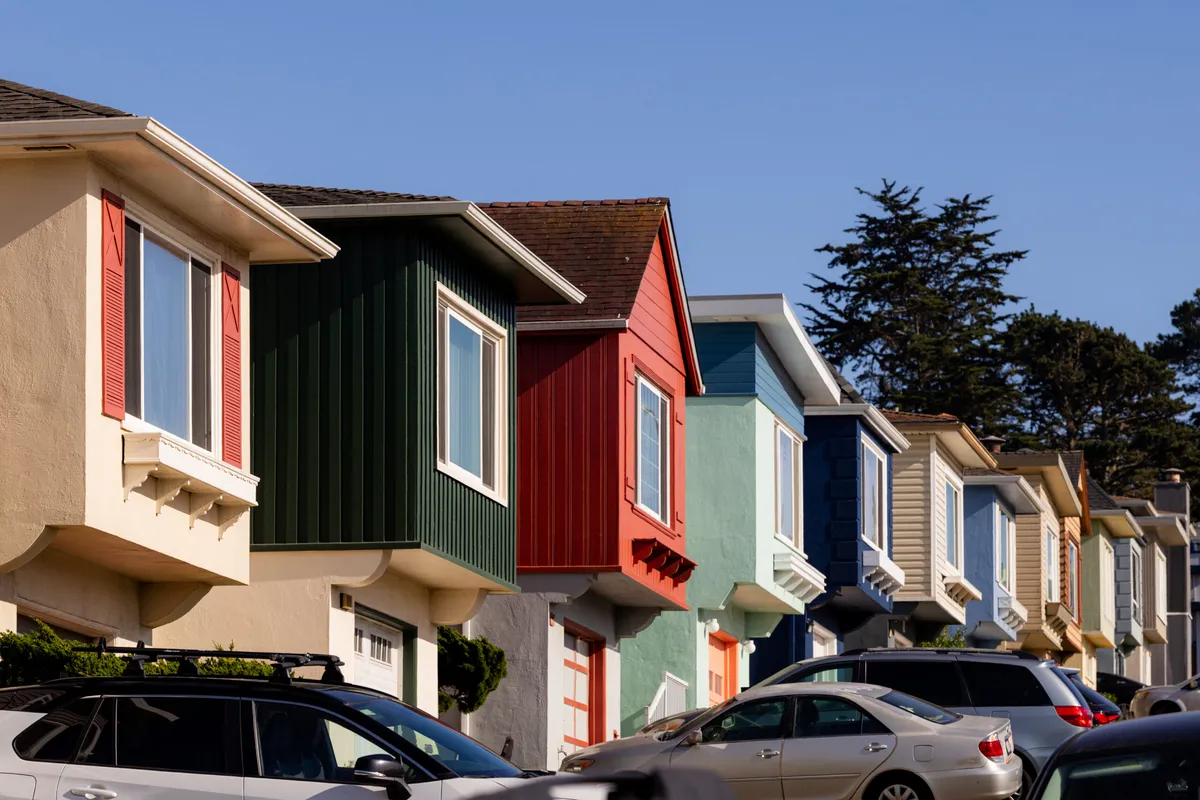
The U.S. housing market is feeling the squeeze as mortgage rates have surged for a third consecutive week, reaching levels not seen in nearly a year. According to Freddie Mac, the average rate for a 30-year fixed mortgage rose to 6.58%, up from 6.55% the previous week, with a stark contrast to the 6.74% rate from a year ago. This upward trajectory of mortgage rates is pressuring affordability for potential homebuyers, coinciding with a notable uptick in home prices across the country.
As of mid-July, data from Intercontinental Exchange Inc. showed that home prices had increased by 1.7% compared to the same period last year, marking the most significant rise in over three years. This situation is compounded by external geopolitical factors, particularly the recent resurgence of hostilities with Iran, which is creating volatility in energy markets and raising inflationary concerns. The combination of these factors is contributing to a challenging environment for homebuyers who are already navigating high prices and rising borrowing costs.
The Current Landscape of Mortgage Rates
The current average mortgage rate of 6.58% is reflective of a broader trend that has seen rates climb steadily over the past few weeks. Economists have identified several factors at play:
- Inflationary Pressures: The Federal Reserve is expected to continue its interest rate hikes in response to persistent inflation that is significantly above their 2% target.
- Geopolitical Tensions: The flare-up in international conflicts has raised energy prices, further fueling inflation and impacting consumer confidence.
- Market Sentiment: There is a growing expectation among investors that the Fed will raise interest rates again at its upcoming meeting at the end of July, although many economists predict no immediate action.

Home Price Trends: Regional Variations
While mortgage rates rise, home prices are also on the upswing, with various regions experiencing significant growth. In particular, upstate New York has seen some of the highest annual gains:
- Rochester: Up 8.7%
- Syracuse: Up 7.4%
- Albany: Up 6.8%
Conversely, Cape Coral, Florida, has reported a decline in home prices, dropping by 3%. This regional disparity highlights the complexities of the housing market, where local economic conditions and demand dynamics play crucial roles.
The Impact on Homebuyers
Increasing mortgage rates translate to higher monthly payments for homebuyers, creating additional financial strain. For instance, a buyer taking out a $300,000 mortgage at a 6.58% interest rate would pay approximately $1,907 monthly in principal and interest, compared to $1,910 at a 6.55% rate—an increase that may seem minimal yet accumulates to significant amounts over the life of the loan.
As rates continue to rise, many potential buyers may reconsider their home purchasing plans. Lisa Sturtevant, Chief Economist at Bright MLS, notes that financial pressures from higher gas prices and inflation are leading to a slowdown in homebuyer activity this summer. This shift in demand could further impact market dynamics, potentially leading to a correction in home prices if inventory increases and buyers retreat.

Future Outlook: What to Expect
The outlook for the housing market appears cautious as economic indicators suggest continued volatility. As inflation persists, the Federal Reserve's actions will be closely monitored by both investors and homebuyers alike. Here are some key considerations moving forward:
- Interest Rate Hikes: The likelihood of more rate hikes in the coming months may dampen housing demand further.
- Home Price Adjustments: If fewer buyers are able to afford homes, we could see price growth stabilize or even decline in certain markets.
- Investment Opportunities: For investors, the current climate may present opportunities to purchase properties at lower prices if demand softens.
Key Takeaways
- Mortgage rates have risen to 6.58%, the highest in nearly a year.
- Home prices increased by 1.7% year-over-year, with significant regional variations.
- Economic pressures from inflation and geopolitical tensions are affecting the housing market.
- Potential homebuyers face financial strain due to rising rates and prices.
Frequently Asked Questions
What factors are driving the rise in mortgage rates?
Mortgage rates are primarily influenced by inflation, economic growth, and Federal Reserve monetary policy. As inflation remains high, the Fed is likely to increase interest rates to curb spending and stabilize prices. This, in turn, raises borrowing costs for consumers, leading to higher mortgage rates. Additionally, global events, such as geopolitical tensions, can create uncertainty in financial markets, further affecting rates.
How do rising mortgage rates affect home affordability?
As mortgage rates rise, the monthly payments for home loans also increase, which can significantly affect affordability. Higher rates mean that buyers can afford less home for the same monthly payment, effectively squeezing their purchasing power. This often leads potential buyers to either look for less expensive homes or postpone their home-buying plans altogether.
What should potential homebuyers do in this market?
Potential homebuyers should carefully assess their financial situation and consider locking in a mortgage rate if they find a favorable one. It’s also advisable to explore different loan options and consult with mortgage professionals to understand the best available rates and terms. Additionally, staying informed about market trends can help buyers make more strategic decisions.
Will home prices continue to rise despite higher mortgage rates?
The future of home prices amid rising mortgage rates is uncertain and varies by region. While some areas may see price corrections due to decreased demand, others with strong local economies may continue to experience price growth. Buyers and investors should monitor local market conditions and consult real estate professionals for insights into specific markets.
Comments
El Niño and the Complex Reality of Hurricane Insurance Risks
El Niño's influence on hurricane activity may suggest a quieter season, but rising coastal property values and increased exposure complicate risk assessments for insurers.

Related articles


Popular in Home Insurance
- 2026 Sees Below-Average Severe Convective Storm Losses: What It Means for Insurance
- El Niño and Wildfires: Preparing for a Fire-Prone Future
- Young Affluent Collectors: The Underinsurance Dilemma in Luxury Investments
- Wisconsin Property Owner Sues City and Insurers Over Contamination Cleanup Costs
- Rising Catastrophe Risks: How Europe’s Insurers Are Adapting to Climate Change