El Niño and the Complex Reality of Hurricane Insurance Risks
El Niño's influence on hurricane activity may suggest a quieter season, but rising coastal property values and increased exposure complicate risk assessments for insurers.
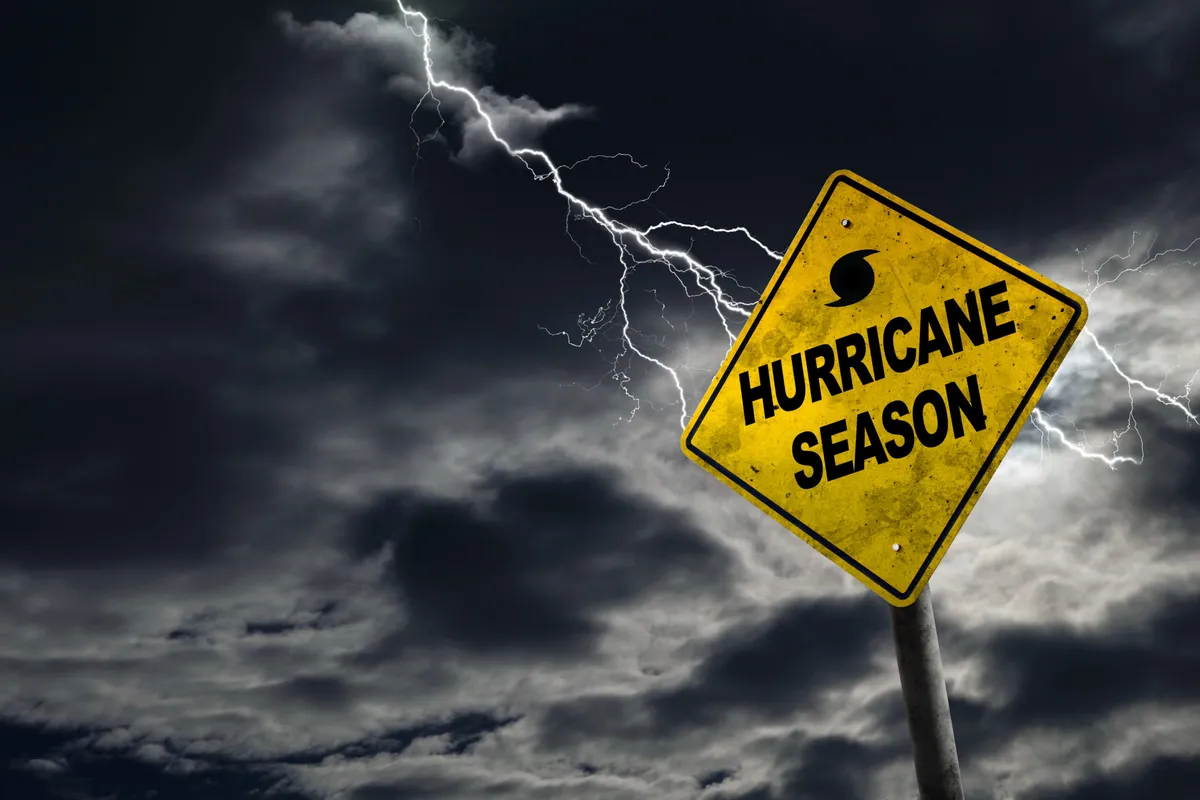
The El Niño phenomenon is often viewed as a harbinger of reduced hurricane activity in the Atlantic, signaling a potential reprieve for insurers bracing for catastrophic weather events. However, as we enter a new hurricane season, experts warn that a quieter season might not equate to less risk for insurance companies. The landscape of coastal development, escalating property values, and complex climate interactions are reshaping the insurance paradigm, forcing insurers to reassess their strategies amidst a changing climate.
El Niño, characterized by warmer-than-average sea surface temperatures in the Pacific Ocean, typically disrupts atmospheric conditions, thereby inhibiting storm formation in the Atlantic. According to U.S. government scientists, the onset of El Niño in June coincided with the beginning of the Atlantic hurricane season. Predictions for 2026 indicate a below-average season, with expectations of eight to fourteen named storms and only one to three major hurricanes. While these forecasts might seem optimistic, the reality is far more complicated, particularly for the insurance industry. Insurers have faced an average of $30 billion in insured losses each season in recent years, and this figure is expected to rise as more factors come into play.
Understanding the Impact of Coastal Development
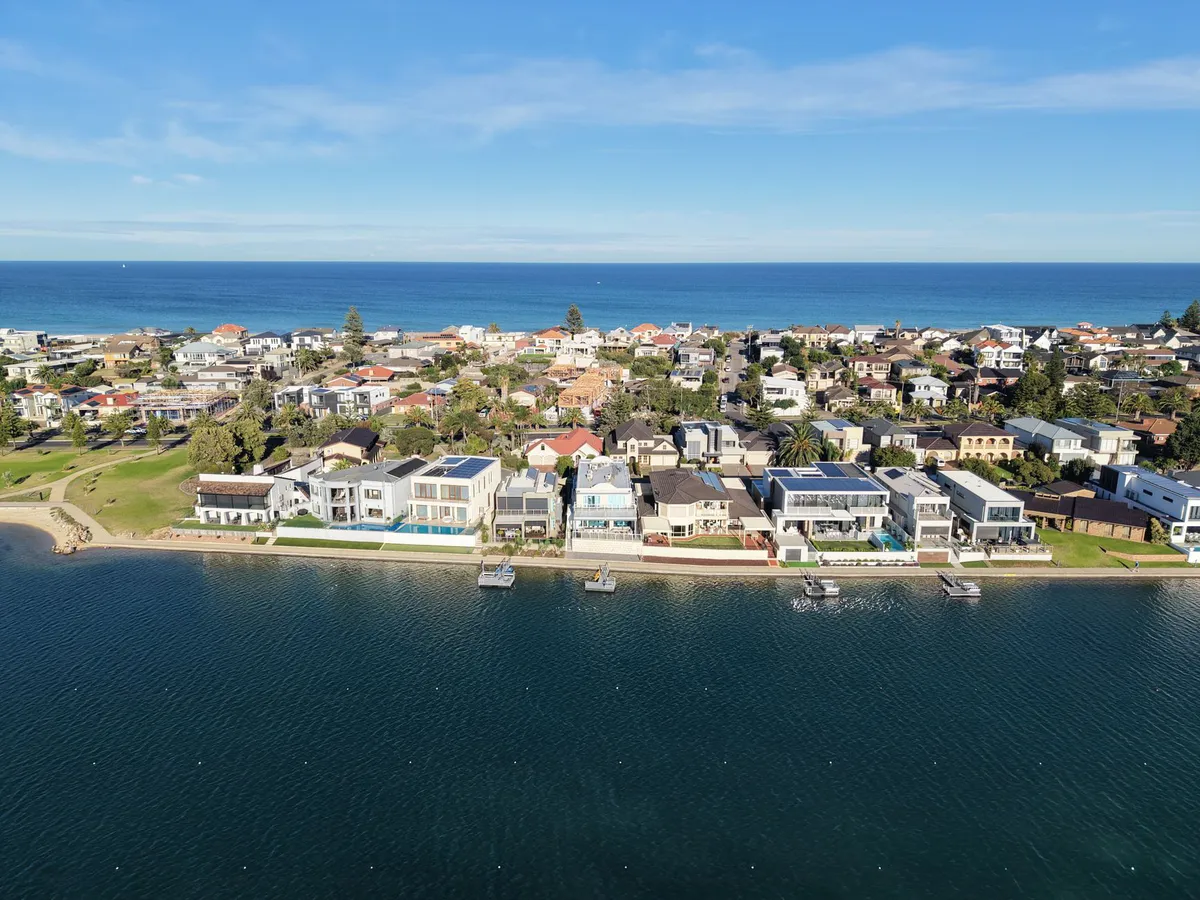
One of the most significant changes affecting hurricane risk assessment is the dramatic increase in population and property values along U.S. coastlines. Since 1970, the population in coastal counties has surged by over 40 million, leading to a substantial expansion of property that is vulnerable to hurricanes. With home values and reconstruction costs skyrocketing—up more than 70% and 60% respectively over the past decade—the potential financial ramifications of even a minor hurricane have escalated.
Case Study: Hurricane Andrew
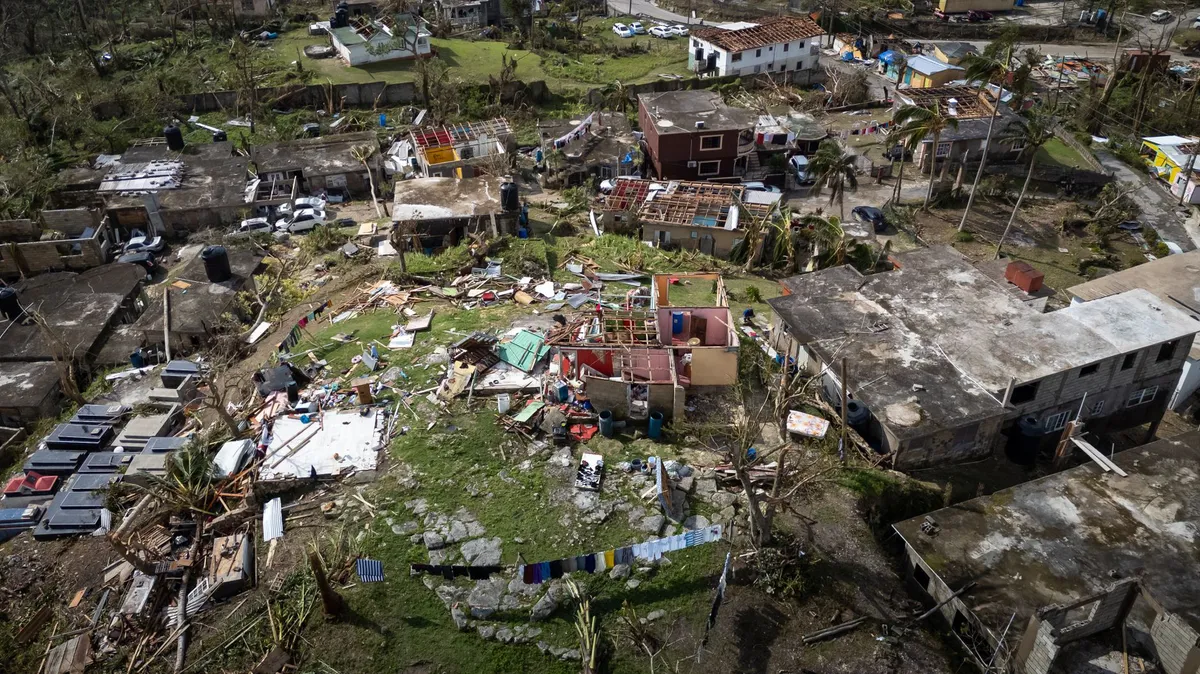
The catastrophic impact of Hurricane Andrew in 1992 serves as a stark reminder of how a single storm can devastate the insurance landscape. Despite a below-average hurricane season that year, Andrew’s landfall in South Florida caused damages that would equate to nearly $100 billion today. This incident exemplifies the insurance industry's precarious position: while fewer storms may lead to lower overall losses in a typical season, the financial exposure from a significant hurricane can be monumental.
Rethinking Risk Assessment
As the dynamics of hurricane risk evolve, insurers are compelled to rethink their approaches to risk assessment and pricing. Historically, the focus was on the frequency of storms; however, with the concentration of wealth and infrastructure in hurricane-prone areas, the location and potential impact of each storm have become paramount. As noted by Kimberly Roberts of Guy Carpenter, “All it takes is one landfalling hurricane to create an insured loss of a magnitude we’ve never seen before.”
Statistically, a typical hurricane season produces around 14 named storms, including seven hurricanes and three major hurricanes. Yet, the interplay of population density, property values, and climatic effects means that insurers must now factor in the geographical concentration of risk more than ever. For instance, a major hurricane striking Miami, Tampa, or Houston—areas that have seen significant urban growth—could lead to insured losses exceeding $100 billion, according to Karen Clark & Co.

The Rising Complexity of Climate Risks
The El Niño phenomenon is just one aspect of a multifaceted climate crisis that insurers must navigate. It also brings the potential for increased rainfall in the southern U.S., heightening the risks of flooding and landslides—factors that can compound the damages from hurricanes. As noted by Monica Ningen at Swiss Re, the increasing concentration of high-value properties along coastlines and the complexity of modern supply chains mean that the severity of a single weather event can be far greater than it was a decade ago.
Challenges in Risk Modeling
As climate change exacerbates weather patterns, traditional risk models face significant challenges. Steve Bowen from Gallagher Re highlights that the predictive value of historical data is waning due to shifting weather patterns. To address these uncertainties, insurers are developing more sophisticated catastrophe models that integrate seasonal climate signals with detailed property exposure data. This evolution is crucial for estimating potential financial losses from natural disasters accurately.
Adopting Innovative Solutions
In the quest to refine risk models, the insurance industry is increasingly embracing artificial intelligence (AI). AI enables insurers to analyze vast quantities of weather and exposure data, enhancing their understanding of potential risks. However, experts caution that while AI can improve predictive capabilities, it cannot account for all variables involved in complex weather systems.
Moreover, insurers are advised to focus on long-term trends reshaping catastrophe risks, including rising reconstruction costs and the evolving landscape of financing needed to absorb losses. As the climate continues to change, the importance of proactive risk management strategies becomes ever more critical.
Key Takeaways
- El Niño typically reduces Atlantic hurricane activity, but rising coastal populations and property values complicate insurance risk.
- Major hurricanes can lead to insured losses exceeding $100 billion in densely populated areas.
- Insurers are shifting focus from storm frequency to location and property value in their risk assessments.
- Climate change is altering traditional risk models, pushing insurers to adopt more sophisticated modeling techniques.
- AI is becoming a crucial tool in the industry for analyzing risk, but it has limitations.
Frequently Asked Questions
What is El Niño and how does it affect hurricanes?
El Niño is a climate phenomenon characterized by warmer ocean temperatures in the Pacific, which disrupts weather patterns and typically leads to fewer hurricanes forming in the Atlantic. This occurs because the atmospheric conditions associated with El Niño inhibit the development of storms, resulting in a perceived reduction in hurricane activity during its occurrence.
How does coastal development influence insurance costs?
As populations and property values increase in coastal areas, the financial exposure for insurers also rises. More properties mean that even a minor hurricane can cause significant insured losses, especially in densely populated regions. Consequently, insurers must adjust their pricing and risk assessment strategies to reflect these changes.
Why are insurers changing their risk assessment models?
The increasing complexity of climate risks—driven by factors such as climate change, urban development, and evolving weather patterns—has rendered traditional risk models less effective. Insurers are now focusing on advanced modeling techniques that take into account not just the frequency of storms, but also their potential impact based on location and property values.
What role does AI play in modern insurance risk assessment?
AI is increasingly being utilized by insurers to process and analyze large datasets related to weather events and property exposure. This technology enhances the ability to predict potential losses and assess risks more accurately. However, it is important to recognize that AI can only improve predictive models to a certain extent, and cannot fully account for all uncertainties inherent in climate behavior.
Comments
Ohio Supreme Court Rules on Binding Appraisal in Insurance Claims
In a landmark decision, the Ohio Supreme Court upheld the integrity of binding appraisals in insurance claims, reinforcing that settled amounts cannot be reopened for additional damages discovered later. This ruling has significant implications for policyholders and insurers alike, emphasizing the need for thorough evaluations during the appraisal process.
Related articles


Popular in Home Insurance
- 2026 Sees Below-Average Severe Convective Storm Losses: What It Means for Insurance
- El Niño and Wildfires: Preparing for a Fire-Prone Future
- Young Affluent Collectors: The Underinsurance Dilemma in Luxury Investments
- Wisconsin Property Owner Sues City and Insurers Over Contamination Cleanup Costs
- Rising Catastrophe Risks: How Europe’s Insurers Are Adapting to Climate Change