Ohio Supreme Court Rules on Binding Appraisal in Insurance Claims
In a landmark decision, the Ohio Supreme Court upheld the integrity of binding appraisals in insurance claims, reinforcing that settled amounts cannot be reopened for additional damages discovered later. This ruling has significant implications for policyholders and insurers alike, emphasizing the need for thorough evaluations during the appraisal process.

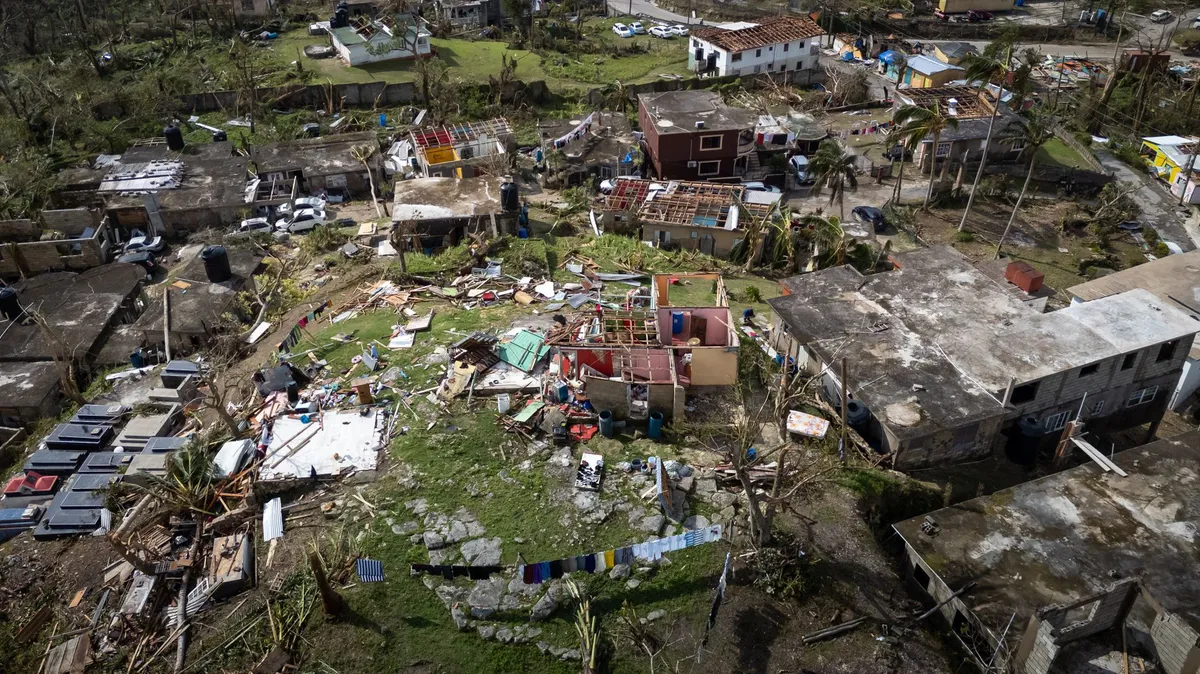
The Ohio Supreme Court recently delivered a pivotal ruling on the nature of binding appraisals in insurance claims, reinforcing the principle that once an appraisal is settled, it cannot be revisited based on later discoveries of damage. This decision arose from a dispute involving One Church and Brotherhood Mutual Insurance Company, stemming from a windstorm that wreaked havoc on several church properties in February 2019. As policyholders face evolving challenges in the insurance landscape, this ruling sets a crucial precedent for how claims are processed and finalized.
The Case Background: One Church vs. Brotherhood Mutual
The conflict began when One Church found itself grappling with significant property damage after a severe windstorm. The church, insured by Brotherhood Mutual under a property policy, sought redress for the damages sustained. However, as the church and the insurer could not agree on the extent of the losses, One Church invoked the appraisal clause included in their insurance policy.
Understanding the Appraisal Clause
An appraisal clause in an insurance policy is designed to resolve disputes between insurers and policyholders about claim amounts. This process typically involves each party selecting an independent appraiser. The appraisers collaborate to evaluate the damage and arrive at a mutually agreed-upon figure, which is then binding for both parties. In this case, the appraisers assessed the damages and concluded that the total loss amounted to $313,271.98. Brotherhood Mutual subsequently paid $312,371.98 after deducting a $900 deductible. One Church cashed the check, seemingly accepting the resolution.
New Discoveries and Legal Challenges
However, the saga did not end there. In February 2021, One Church initiated a lawsuit against Brotherhood, claiming that they had discovered “additional hidden damages” that warranted further compensation of $206,663.09. Brotherhood Mutual countered this claim, asserting that the church had already settled the matter through the binding appraisal process.
The Trial Court's Findings
The trial court sided with Brotherhood, concluding that there was no evidence of “fraud, misfeasance, or mistake” that could justify reopening the appraisal. This initial ruling highlighted a critical point: the binding nature of appraisals as a final resolution to disputes regarding loss amounts. However, the appeals court initially reversed this decision, allowing One Church's claims to move forward, asserting that the additional damages warranted a second look.

The Supreme Court's Ruling
Ultimately, the Supreme Court of Ohio reinstated the trial court’s dismissal, ruling that the binding appraisal was indeed final. The court emphasized that a judicial intervention would only be warranted in instances where significant errors undermine the agreement, such as corruption or gross mistakes, but not merely due to differing judgments or newly found information.
The Importance of Clarity in Claims
One Church had argued it had demonstrated a “mistake” which could potentially invalidate the appraisal process. However, the court found that this argument fell short, as the church's complaint did not explicitly mention the term “mistake” nor provide sufficient detail regarding the nature of the newly discovered damages. The court underscored that a “manifest mistake” would be one that an appraiser would have corrected if it had been brought to their attention during the appraisal process. Thus, simply discovering more damage after the fact does not qualify as grounds to reopen a claim.

Implications for Policyholders and Insurers
The ramifications of this ruling extend beyond the immediate parties involved. For policyholders, this decision serves as a critical reminder of the importance of thoroughness during the appraisal process. It underscores the need to ensure that all damages are identified and accurately reported before concluding an appraisal, as reopening a settled claim can be a complicated and often unsuccessful endeavor.
What It Means for the Insurance Industry
For insurers, the ruling reinforces the need to maintain rigorous appraisal procedures and to clearly communicate the implications of the binding appraisal clause to policyholders. Insurers are now further encouraged to ensure that their appraisal processes are transparent and comprehensive, thereby minimizing the likelihood of disputes that might lead to litigation.
Key Takeaways
- The Ohio Supreme Court upheld the binding nature of appraisal awards in insurance claims.
- Once an appraisal is settled, claims cannot be reopened for newly discovered damages.
- Policyholders must ensure all damages are fully disclosed during the appraisal process.
- Insurers are encouraged to maintain clear communication about the appraisal process and its implications.
Frequently Asked Questions
What is a binding appraisal in insurance?
A binding appraisal is a process that insurers and policyholders can use to resolve disputes over claim amounts. Each party selects an independent appraiser, and if the appraisers agree on a valuation, that amount is binding for both parties. This process aims to provide a final resolution to disputes without the need for litigation.
What happens if I discover additional damage after an appraisal?
If additional damage is discovered after an appraisal has been completed and settled, it is generally not grounds to reopen the claim. The Ohio Supreme Court's ruling emphasizes that once an appraisal is finalized, it is binding unless there is evidence of significant errors, such as fraud or gross mistake, which are difficult to prove.
How can I prevent issues during the appraisal process?
To prevent issues during the appraisal process, policyholders should conduct a thorough inspection of their property and document all existing damages before settling the claim. It is also advisable to communicate openly with the appraisers and insist on a comprehensive evaluation to ensure that no damage is overlooked.
Comments
El Niño and the Complex Reality of Hurricane Insurance Risks
El Niño's influence on hurricane activity may suggest a quieter season, but rising coastal property values and increased exposure complicate risk assessments for insurers.

Related articles


Popular in Home Insurance
- 2026 Sees Below-Average Severe Convective Storm Losses: What It Means for Insurance
- El Niño and Wildfires: Preparing for a Fire-Prone Future
- Young Affluent Collectors: The Underinsurance Dilemma in Luxury Investments
- Wisconsin Property Owner Sues City and Insurers Over Contamination Cleanup Costs
- Rising Catastrophe Risks: How Europe’s Insurers Are Adapting to Climate Change