Midwest Derecho Unveils Critical Flood Insurance Gaps Across Four States
A recent derecho in the Midwest has highlighted alarming gaps in flood insurance coverage, leaving many homeowners unprotected against significant water damage. As communities face prolonged flooding, understanding the implications is crucial for property owners and insurers alike.
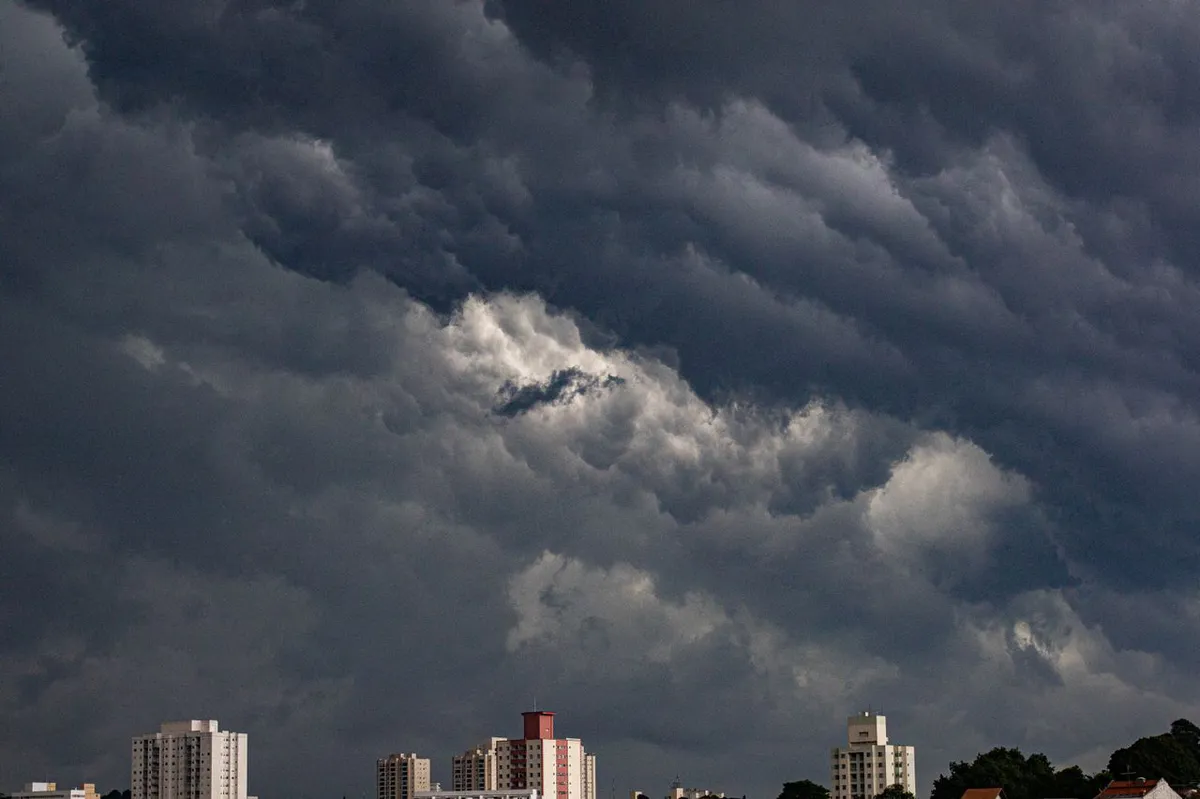
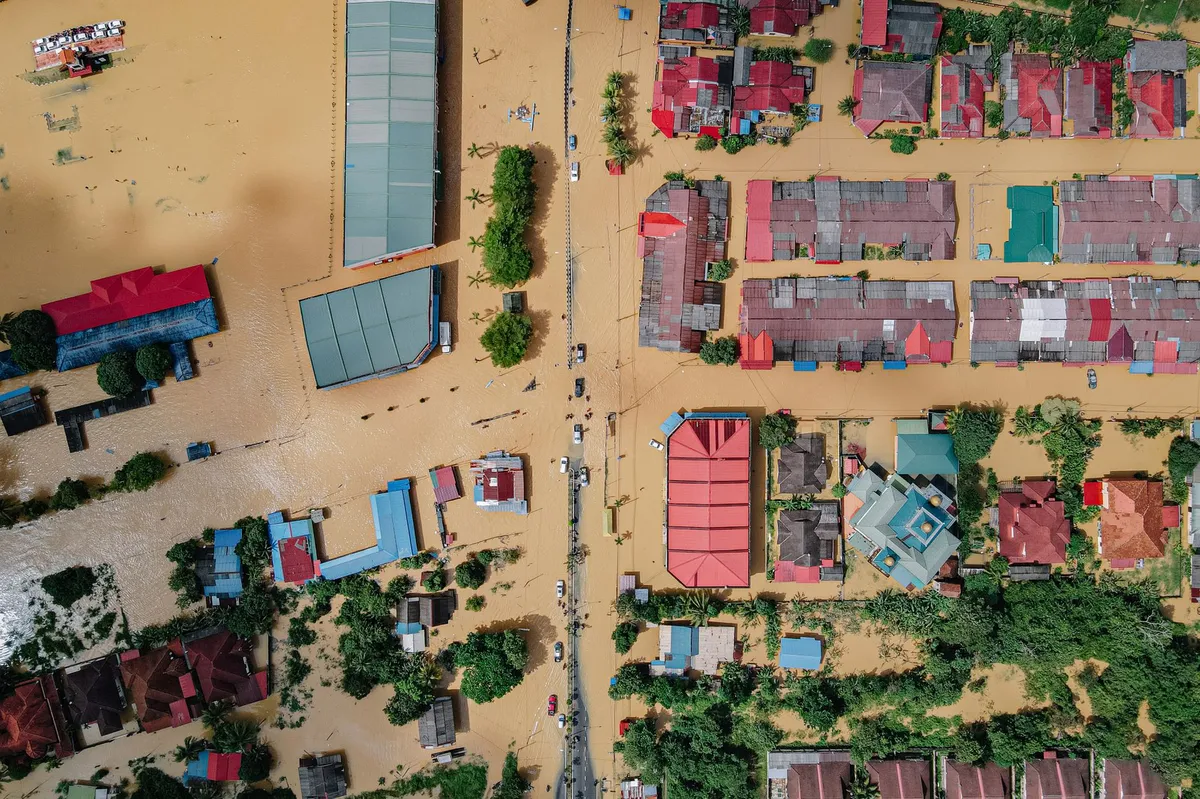
On August 11, a powerful derecho swept across the Midwest, wreaking havoc in Illinois, Indiana, Ohio, and Kentucky. The storm claimed at least two lives and left nearly one million residents without power, igniting a series of flood warnings that extended through the week. While the immediate aftermath of such severe weather typically brings focus to wind damage, the true risk may lie beneath the surface, particularly concerning flood insurance coverage. With the Ohio Valley's ground already saturated from prior storms, the potential for extensive flooding poses a significant threat that many are unprepared for.
In the wake of the derecho, Ohio Governor Mike DeWine cautioned residents that flooding would continue long after the storm had passed. This stark warning highlights a critical issue: most homeowners and commercial property policies primarily cover wind and hail damage, while flood losses typically require a separate, specialized insurance policy. Unfortunately, this separate coverage, often obtained through FEMA's National Flood Insurance Program (NFIP), is lacking among many property owners in the affected states. As of December 2025, the NFIP had around 4.5 million policyholders, a mere fraction of the properties that could face flooding.
The Stark Reality of Flood Insurance
Despite the known risks of flooding, a disconcerting trend has emerged: only about 4% of American homeowners carry flood insurance. A survey conducted by Munich Re and the Insurance Information Institute (Triple-I) in 2023 revealed that a staggering 64% of homeowners believe their properties are not at risk for flooding. This misconception is particularly dangerous for residents in communities that — despite facing significant flooding — lie outside federally designated flood hazard zones where mandatory insurance purchases do not apply.
The Implications of Underinsurance
The financial stakes when it comes to flood losses are high. A Moody's analysis from May 2026 suggested that uninsured residential flood losses could surpass $1 trillion in severe weather scenarios. For states like Illinois, the risk is compounded; inland areas are increasingly vulnerable to flooding due to climate change and severe weather patterns. A study from the Federal Reserve Bank of Philadelphia estimated that approximately $24.4 billion in annual flood damage to U.S. single-family homes occurs, with around 70% of those losses going uninsured. Even among homeowners who recognize their flood exposure, about 22% lack any flood coverage at all.
Commercial Risks and Power Outages
The damage caused by the derecho extends beyond residential properties; the commercial sector faces its own set of challenges. Nearly one million customers experienced power outages during the storm, creating potential losses for businesses reliant on continuous power. Cold storage facilities, food producers, and manufacturers may find that standard commercial property policies do not adequately cover losses incurred during prolonged utility service interruptions.
Understanding Utility Service Interruption Coverage
Whether a commercial insurance policy provides coverage for losses related to power outages largely depends on its specific language regarding utility service interruptions and the duration of the outage. As businesses assess their risk profiles, understanding these nuances becomes crucial to ensuring adequate coverage. With the risk of flooding anticipated to persist, the need for comprehensive insurance solutions is more pressing than ever.

The Broader Impact of Severe Weather
The derecho is part of a broader trend, as severe convective storms have overtaken hurricanes as the leading cause of insured natural catastrophe losses in the United States. A previous severe weather outbreak in the Midwest this past July was flagged by Aon as potentially one of the top ten costliest events in U.S. history, with insured losses estimated in the low-to-mid single-digit billions. Although no official estimates have been released for the recent derecho, the financial implications for homeowners and businesses are likely to be substantial.
Rising Premiums Reflect Growing Risks
The increasing frequency and severity of severe weather events are also reflected in rising insurance premiums across affected states. For example, homeowners in Illinois saw their insurance premiums rise by 48% between 2023 and 2025, with Indiana and Ohio experiencing similar upward pressure. As brokers work to place property risks in these markets, discussions surrounding flood coverage gaps have transitioned from secondary concerns to primary topics of conversation.

Key Takeaways
- Flood Insurance Coverage is Critical: Most homeowners do not carry flood insurance, leaving them vulnerable to extensive losses.
- Understand Your Policy: Standard homeowners' policies typically do not cover flood damage; separate flood insurance is necessary.
- Commercial Risks Exist: Businesses may face significant losses due to power outages that are not covered by standard policies.
- Premiums Are Rising: Increasing severe weather events lead to higher insurance premiums across the Midwest.
- Stay Informed: Assess your risk and ensure adequate coverage to protect your property from future flooding.
Frequently Asked Questions
What is a derecho and how does it affect insurance?
A derecho is a widespread and long-lived windstorm associated with a band of rapidly moving showers or thunderstorms. It can cause significant damage through high winds and associated flooding. Standard insurance policies usually cover wind damage but do not cover flooding, necessitating separate flood insurance to protect against losses from such storms.
Why is flood insurance important even if I don’t live in a flood zone?
Many homeowners mistakenly believe flood insurance is unnecessary if they do not live in designated flood zones. However, floods can occur anywhere, especially in areas with heavy rainfall or poor drainage. Without flood insurance, homeowners may face catastrophic financial losses from flood damage that their standard homeowners' policy will not cover.
How can I assess my flood risk?
Assessing your flood risk involves understanding your property's location, historical flood data, and the specific characteristics of your home. Resources such as FEMA's Flood Map Service Center can provide valuable insights into whether your home is in a flood-prone area. Additionally, consulting with insurance professionals can help you determine the best coverage options for your situation.
What should I do if I need flood insurance?
If you find that you need flood insurance, the first step is to contact your insurance agent or broker. They can provide you with information about the NFIP and available private flood insurance options. It’s important to act quickly, as there is typically a waiting period before flood insurance becomes effective after a policy is purchased.
Comments
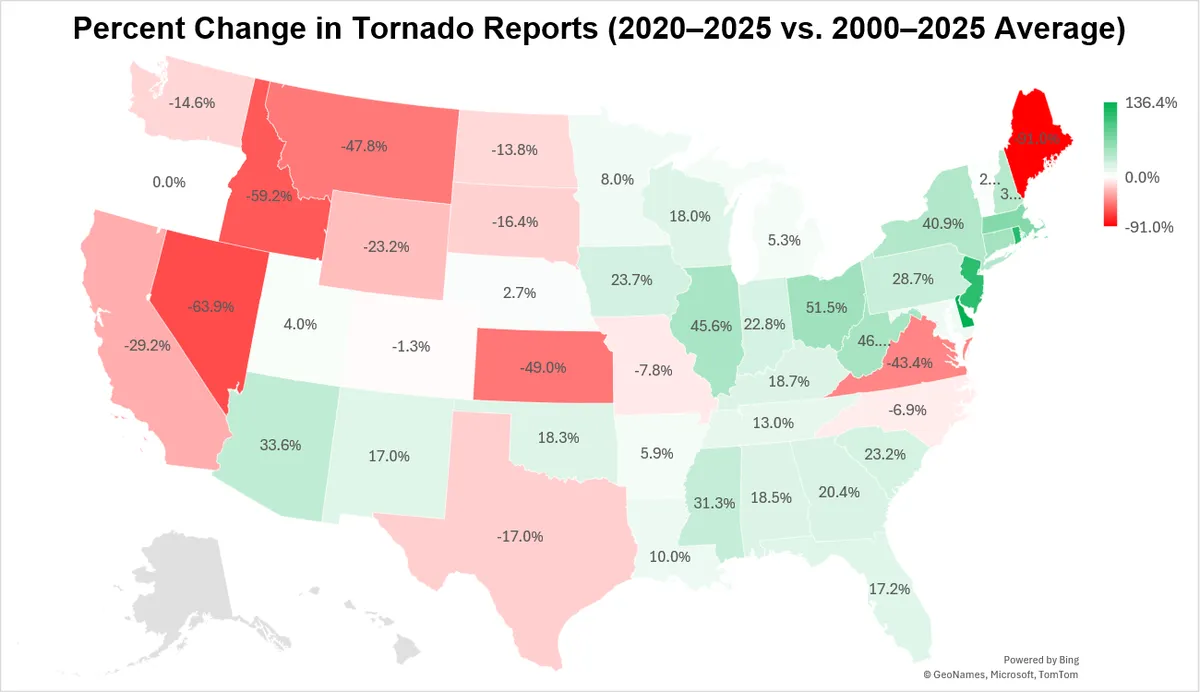
The Eastward Shift of Tornado Alley: Rising Risks and Insurance Implications
The traditional boundaries of Tornado Alley are shifting eastward, leading to increased risks for insured populations. As tornado activity surges in states like Illinois, Indiana, and Wisconsin, insurers and homeowners alike must navigate the changing landscape of severe weather threats.
Related articles

Popular in Home Insurance
- 2026 Sees Below-Average Severe Convective Storm Losses: What It Means for Insurance
- El Niño and Wildfires: Preparing for a Fire-Prone Future
- Young Affluent Collectors: The Underinsurance Dilemma in Luxury Investments
- Wisconsin Property Owner Sues City and Insurers Over Contamination Cleanup Costs
- Rising Catastrophe Risks: How Europe’s Insurers Are Adapting to Climate Change