Understanding the Fragmented Homeowners Insurance Market: Insights and Implications
The homeowners insurance market is entering a fragmented phase, according to recent research by S&P Global Market Intelligence. This article explores the implications of changing rates, regional variances, and what homeowners should know.

The homeowners insurance market in the United States is currently undergoing significant changes, entering what analysts at S&P Global Market Intelligence (S&P GMI) describe as a "fragmented phase." This evolution is characterized by a decline in overall rate adjustments across the nation, suggesting that insurers are reaching a point of rate adequacy. However, regional differences and various market factors complicate the landscape for both insurers and policyholders alike.
As homeowners navigate this shifting terrain, understanding the underlying dynamics can help them make informed decisions regarding their coverage. From fluctuating rates to the implications of regulatory changes, the current state of the homeowners insurance market holds critical importance for homeowners, insurers, and investors.
Current Trends in Homeowners Insurance Rates
According to S&P GMI's report, the effective approved homeowners insurance rate changes have seen a notable decline over the past few years:
- **2024**: Rate change was approximately **13.6%**.
- **2025**: This figure dropped to **6.3%**.
- **2026**: As of July, rate change further decreased to about **1.8%**.
This downward trend indicates that insurers have largely completed the necessary adjustments to align rates with the risks they are covering. S&P GMI notes that the decline in rate changes is not necessarily a reflection of reduced risk but rather a stabilization as previous rate hikes are absorbed into the market. Insurers are now focusing on more localized pricing strategies based on specific risks associated with different jurisdictions.

Factors Influencing Rate Changes
While the overall national trend suggests a slowdown in rate increases, certain high-loss exposure areas are experiencing rising premiums. Several factors contribute to this complex pricing environment:
1. Regulatory Environment
Insurers must navigate a patchwork of state regulations that can affect their pricing strategies. States like Minnesota and Colorado saw significant rate changes in 2025—around **17.8%** and **16.6%**, respectively—but these figures have since dropped to **1.6%** and **0.8%** in 2026. The variability in regulatory approval processes can create delays and inconsistencies in how quickly insurers can adjust their rates in response to market conditions.
2. Underwriting Practices
Insurers are increasingly employing refined underwriting techniques, focusing on risk selection and property condition. This means that policies may have higher deductibles or tiered rates based on the age and condition of the property. Such non-rate actions can help insurers manage risks without necessarily raising base rates across the board.
3. Geographic Variability
As S&P GMI pointed out, the homeowners insurance market is evolving on a state-by-state basis. This fragmentation means that some states may see rate increases due to localized risk patterns, while others may experience stability or even decreases. The divergence in rates underscores the importance of understanding regional risk factors, such as susceptibility to natural disasters, which can influence insurance costs significantly.

The Importance of Localized Risk Assessment
The fragmentation of the homeowners insurance market necessitates a more localized approach to risk assessment. Insurers are increasingly aware that one-size-fits-all solutions are no longer viable. Instead, they are tailoring their offerings based on the unique characteristics of each region, which can include:
- **Natural Disaster Risk**: Areas prone to floods, hurricanes, or wildfires often face higher premiums due to the increased likelihood of claims.
- **Market Competition**: In regions with multiple insurers competing for business, rates may be more favorable, whereas a lack of competition can lead to higher costs.
- **Home Values and Condition**: The age and condition of properties can significantly impact the underwriting process, affecting both eligibility and pricing.
Homeowners should be proactive in understanding these factors when selecting their insurance coverage and should not hesitate to shop around for the best rates tailored to their specific needs.

What Homeowners Should Do
As the homeowners insurance market continues to evolve, there are strategic steps that homeowners can take to ensure they are adequately protected while also managing costs:
1. Review Your Coverage Annually
Homeowners should conduct an annual review of their insurance policies to ensure that coverage levels are appropriate for current home values and conditions. This is particularly important in a fluctuating market where rates can change significantly.
2. Increase Your Deductible
Opting for a higher deductible can lower your premium costs. However, this should be done with careful consideration of your financial situation. Ensure you have enough savings to cover the deductible in case of a claim.
3. Shop Around
As rates can vary greatly by state and even by insurer, it’s wise to compare quotes from multiple companies. This allows homeowners to find the best coverage at the most competitive rates.
4. Understand Your State's Regulations
Stay informed about your state’s insurance regulations and any changes that could impact rates. This knowledge can help you advocate for fair pricing and better coverage options.
Key Takeaways
- The homeowners insurance market is currently experiencing a fragmented phase marked by declining national rate changes.
- Regulatory environments, underwriting practices, and geographic factors play significant roles in influencing insurance rates.
- Homeowners can take proactive steps, such as reviewing coverage and shopping around, to ensure they are getting the best value for their insurance needs.
Frequently Asked Questions
What does it mean when the homeowners insurance market is in a fragmented phase?
A fragmented phase in the homeowners insurance market indicates that different regions and states are experiencing varying rates and practices, rather than a unified national trend. This fragmentation can arise from differences in risk exposure, regulatory environments, and insurer strategies for managing risks.
How can I determine if my homeowners insurance premium is competitive?
To assess whether your premium is competitive, compare your current rate with those offered by multiple insurers for similar coverage levels. Additionally, consider the deductibles and limits of each policy. Online comparison tools and working with an insurance agent can help streamline this process.
Are higher deductibles always a good option?
While higher deductibles can lower your premium, they also mean more out-of-pocket costs in the event of a claim. It’s crucial to evaluate your financial capacity to pay the deductible before making this decision. Consider your savings and the likelihood of filing a claim when deciding on your deductible level.
What should I do if my premium increases significantly?
If you experience a significant increase in your premium, first review your policy and discuss the changes with your insurer. Inquire about the reasons for the increase and explore options for adjusting your coverage or deductible. If necessary, shop around for quotes from other insurers to find more competitive rates.
Comments
The Eastward Shift of Tornado Alley: Rising Risks and Insurance Implications
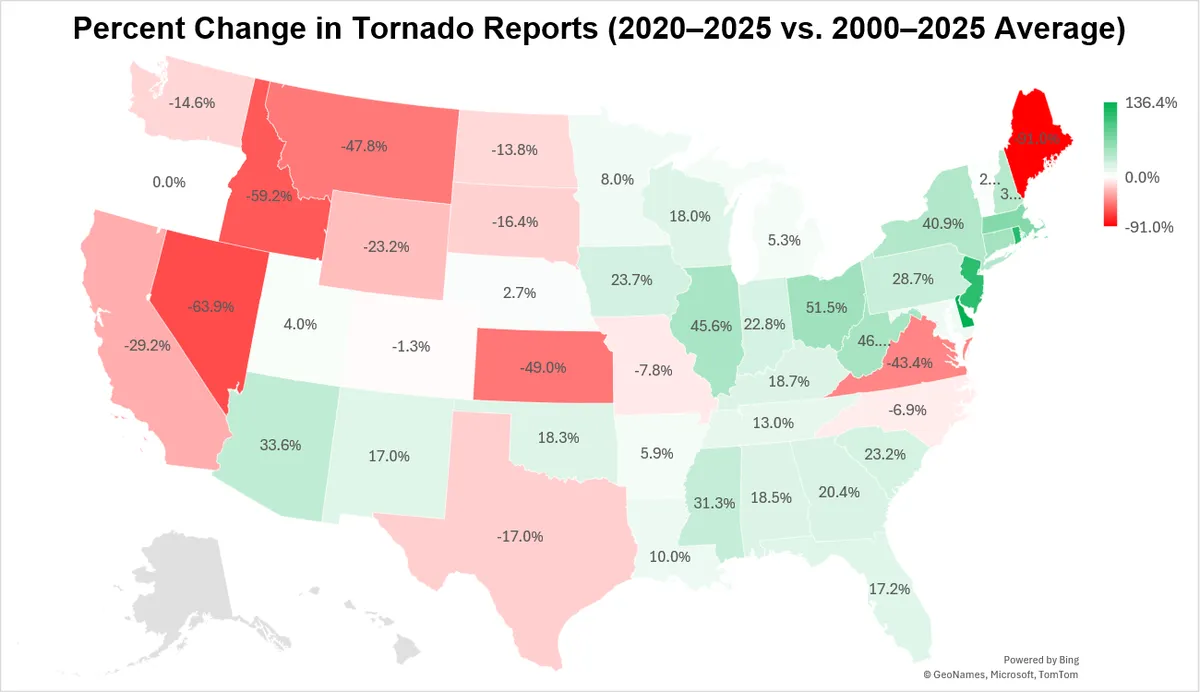
The traditional boundaries of Tornado Alley are shifting eastward, leading to increased risks for insured populations. As tornado activity surges in states like Illinois, Indiana, and Wisconsin, insurers and homeowners alike must navigate the changing landscape of severe weather threats.
Related articles

Popular in Home Insurance
- 2026 Sees Below-Average Severe Convective Storm Losses: What It Means for Insurance
- El Niño and Wildfires: Preparing for a Fire-Prone Future
- Young Affluent Collectors: The Underinsurance Dilemma in Luxury Investments
- Wisconsin Property Owner Sues City and Insurers Over Contamination Cleanup Costs
- Rising Catastrophe Risks: How Europe’s Insurers Are Adapting to Climate Change