The Eastward Shift of Tornado Alley: Rising Risks and Insurance Implications
The traditional boundaries of Tornado Alley are shifting eastward, leading to increased risks for insured populations. As tornado activity surges in states like Illinois, Indiana, and Wisconsin, insurers and homeowners alike must navigate the changing landscape of severe weather threats.
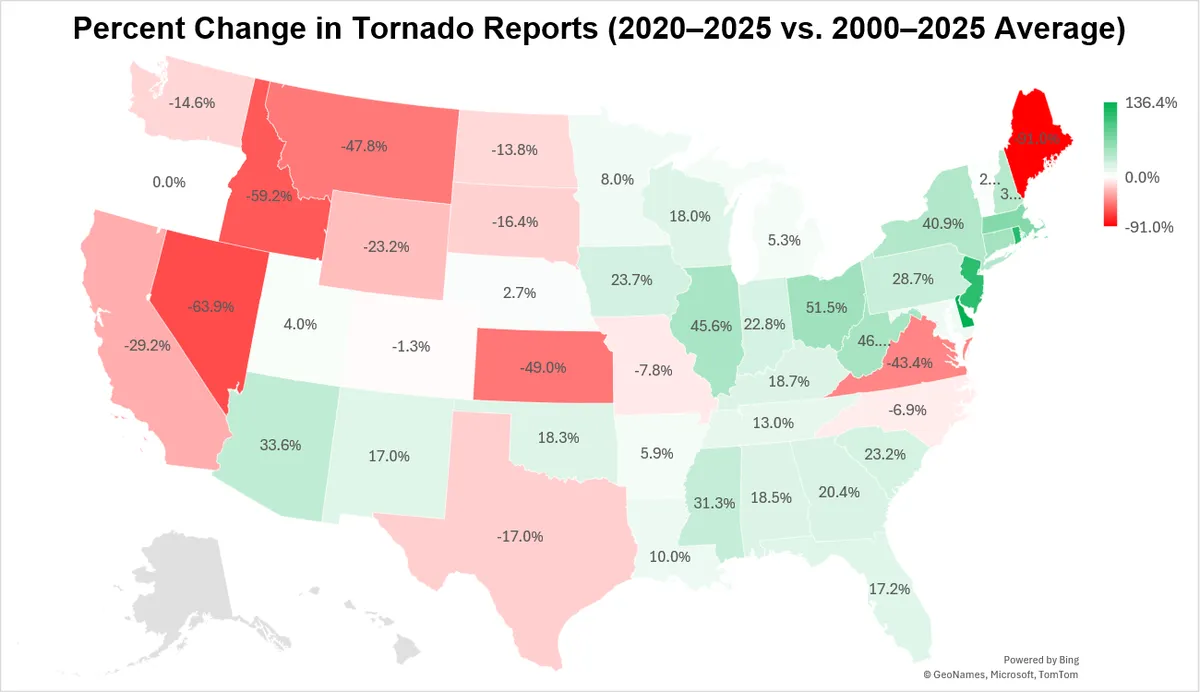
The peak of tornado season may soon be behind us, but the ramifications of an evolving Tornado Alley are just beginning to emerge. Traditionally confined to the central United States, this notorious region of storm activity is expanding eastward into more populated areas, raising significant concerns for homeowners, insurers, and policymakers. With record tornado occurrences in states like Illinois, Indiana, and Wisconsin, the insurance landscape is shifting dramatically, prompting a reevaluation of risk management strategies and coverage options.
This year alone, Illinois reported an astonishing 220 confirmed tornadoes by the end of July, leading all states in tornado activity and establishing a new benchmark for the region. As these storms wreak havoc in areas previously considered less vulnerable, the implications for insurance claims and coverage costs are becoming increasingly complex. The surge in tornado activity in the East is not merely a statistic; it reflects a deeper issue tied to climate change, urbanization, and evolving weather patterns that impact both policyholders and insurers.
The Evidence of Change: Tornado Activity and Climatic Shifts
Weather experts attribute the eastward shift of Tornado Alley to a warming climate that allows warmer and more humid air to penetrate further north and east than in previous decades. This year, states like Illinois and Wisconsin have experienced unprecedented spikes in tornado activity, with the latter seeing a staggering 672% increase year-over-year. Despite the overall national decline in tornado volume since 2023, the frequency of severe events in these newly impacted regions is alarming.
Impact on Insurance Claims
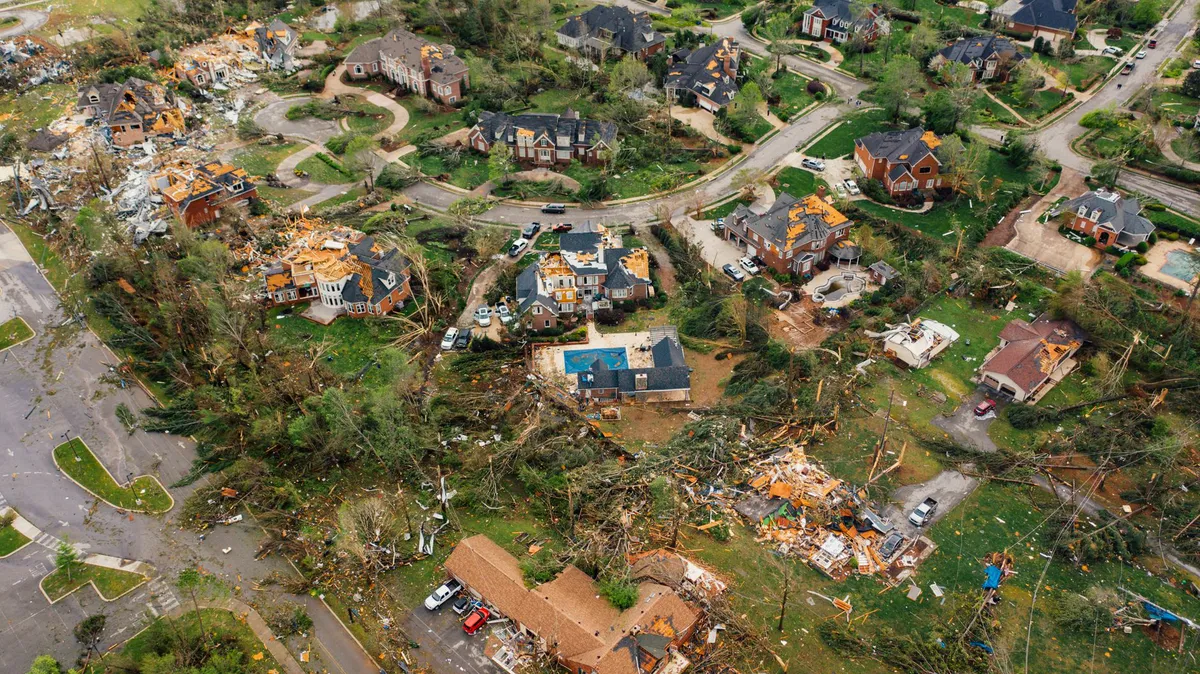
The data reveals that while the total number of tornadoes may not be increasing significantly, the severity of damage incurred is escalating. In Illinois, the average cost of tornado damage reached around $104,000 per incident, with concentrated strikes in counties such as Cook, Kankakee, and Coles contributing to this rise. These figures underscore the growing risk exposure for homeowners and businesses in areas where insurance premiums may not have adequately accounted for such severe weather conditions.
Key statistics on tornado activity and claims:- Illinois: 220 confirmed tornadoes in 2026, leading the nation.
- Indiana and Wisconsin also reported record-high tornado counts this year.
- Average reconstruction costs have risen 72% above 2022 levels.
Understanding the Broader Implications for Insurance
The shift in Tornado Alley is not limited to tornadoes alone. Other severe weather events, including thunderstorms and hail, are increasingly affecting regions that were traditionally less impacted. According to reports from Verisk and Allianz, severe thunderstorms have emerged as significant drivers of catastrophe losses, with a 59% increase in events generating over $1 billion in insured losses from 2020 to 2024 compared to the previous five years. This trend highlights a systemic change in how severe weather patterns are evolving across the Midwest.
The Role of Population Density
As Tornado Alley shifts eastward, one of the largest concerns is the increased exposure of densely populated areas to severe weather risks. For insurers, this means not only higher claims but also the need for more precise risk assessment models and policy adjustments. Tory Farney, vice president of Verisk Weather Solutions, emphasizes the importance of recognizing the demographic changes in these regions and the corresponding financial implications for insurers.
The Uncertainty of Future Trends
While the evidence suggests a clear shift in tornado activity, experts remain divided on whether this trend will continue or revert back to previous patterns. Factors such as the Pacific Decadal Oscillation and the Atlantic Multi-decadal Oscillation are under investigation as potential drivers of these large-scale weather changes. The uncertainty surrounding these climatic influences adds a layer of complexity for insurance companies trying to predict future risks and adjust their coverage accordingly.
Preparing for the Future
For homeowners and business owners in areas experiencing these shifts, proactive measures are essential. This includes reviewing insurance policies to ensure adequate coverage for the type and severity of risks faced. Understanding the claims process and working with agents who are knowledgeable about the evolving landscape of severe weather can also provide a critical advantage. As the insurance market adapts to these changes, policyholders should stay informed and be prepared to advocate for their needs.

Key Takeaways
- The traditional Tornado Alley is expanding eastward, increasing insurance risks.
- Illinois has reported the highest tornado activity in 2026, with significant financial implications.
- Severe thunderstorms and hail are also becoming more frequent, contributing to rising insurance claims.
- Future weather patterns remain uncertain, necessitating proactive risk management.
- Homeowners should review and adjust their insurance policies to reflect current risks.
Frequently Asked Questions
What is causing the eastward shift of Tornado Alley?
The eastward shift of Tornado Alley is believed to be primarily influenced by climate change, which has facilitated the movement of warmer, more humid air into areas that were previously less susceptible to tornadoes. Additionally, large-scale climate oscillations may also play a role in shifting weather patterns across the country.
How does this shift impact insurance costs for homeowners?
The shift in tornado activity has resulted in increased exposure for homeowners in newly affected regions, leading to higher claims and potentially higher insurance premiums. Insurers may need to adjust their pricing and coverage options to account for the increased risk of severe weather events.
What can homeowners do to protect themselves from these increasing risks?
Homeowners should proactively review their insurance policies to ensure they have adequate coverage for severe weather risks, including tornadoes, hail, and thunderstorms. Engaging with knowledgeable insurance agents and understanding the claims process is also crucial for effective risk management.
Comments
Understanding the Fragmented Homeowners Insurance Market: Insights and Implications
The homeowners insurance market is entering a fragmented phase, according to recent research by S&P Global Market Intelligence. This article explores the implications of changing rates, regional variances, and what homeowners should know.

Related articles
Popular in Home Insurance
- 2026 Sees Below-Average Severe Convective Storm Losses: What It Means for Insurance
- El Niño and Wildfires: Preparing for a Fire-Prone Future
- Young Affluent Collectors: The Underinsurance Dilemma in Luxury Investments
- Wisconsin Property Owner Sues City and Insurers Over Contamination Cleanup Costs
- Rising Catastrophe Risks: How Europe’s Insurers Are Adapting to Climate Change