Smucker's Trademark Dispute with Trader Joe's: A Legal Battle Over PB&J Sandwiches
A federal judge has allowed J.M. Smucker's lawsuit against Trader Joe's to proceed, alleging trademark infringement over similar frozen peanut butter and jelly sandwiches. This case raises important questions about brand identity and the legal protections of product designs.
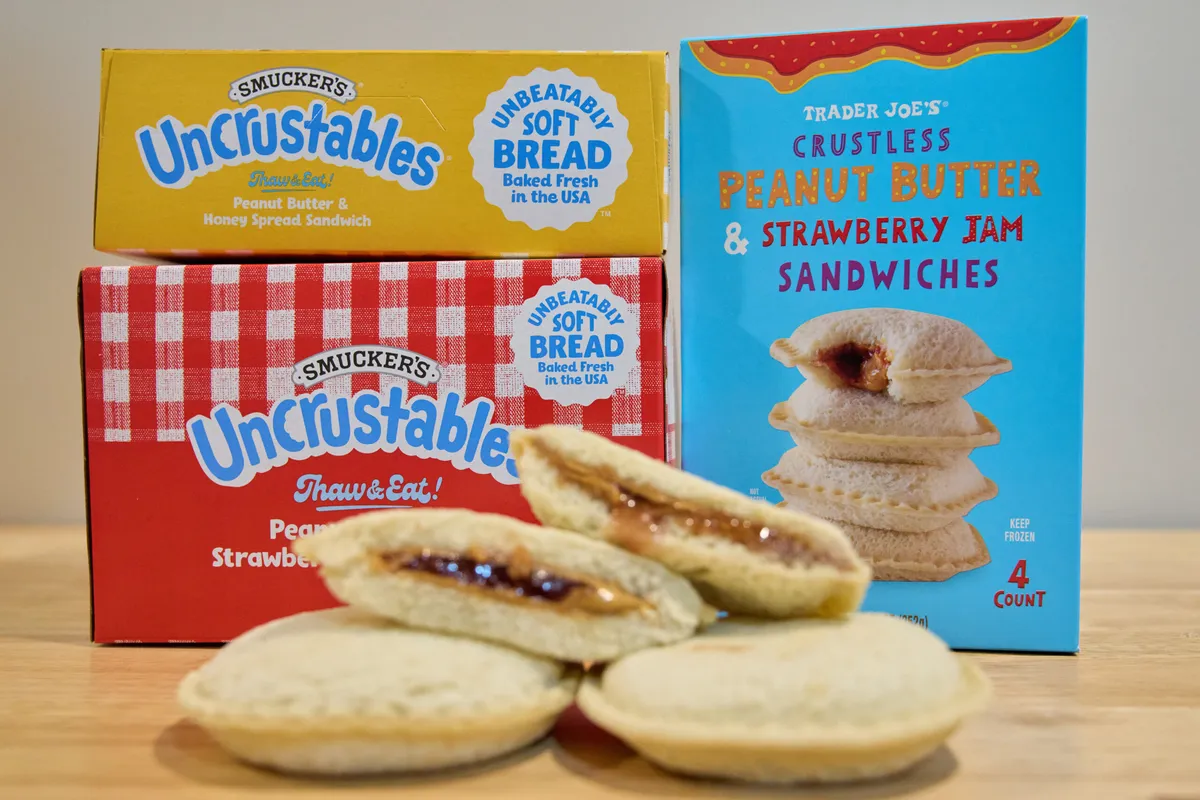
In a landscape where brand identity is paramount, J.M. Smucker Co. has taken a bold step to protect its iconic product, Uncrustables, by filing a lawsuit against Trader Joe's. This legal battle began in the federal court of Ohio, where Smucker claims that Trader Joe's recently introduced frozen peanut butter and jelly sandwiches infringe on its trademark. The case is not just about sandwiches; it delves deep into the complexities of trademark law, brand loyalty, and the competitive food industry.
At the heart of the dispute is Smucker's assertion that Trader Joe's sandwiches bear too much resemblance to its well-established Uncrustables. The crimped edges and rounded shape of Trader Joe's offerings have raised red flags for Smucker, which has invested significant resources in promoting its brand over the last two decades. As the legal proceedings unfold, the implications for both companies—and the broader market—could be substantial.
The Nature of the Dispute
J.M. Smucker's lawsuit, filed last fall, claims that Trader Joe's has violated trademark protections by introducing a product that closely mimics the design of Uncrustables. The packaging for Trader Joe's frozen sandwiches is another point of contention, as Smucker alleges that it imitates the colors and imagery of Uncrustables packaging, including a photo of a sandwich with a bite taken out of it.
Key Elements of the Lawsuit
- Trademark Infringement: Smucker argues that the design and packaging of Trader Joe's sandwiches could mislead consumers into thinking they are purchasing Uncrustables.
- Design Similarities: The lawsuit emphasizes the round shape and crimped design of the sandwiches, which Smucker claims are distinctive features of its brand.
- Brand Recognition: Smucker's legal team contends that consumers have come to associate the Uncrustables design with the brand itself.

Legal Proceedings and Judge's Ruling
In a recent ruling, U.S. District Judge John Adams allowed Smucker's case to move forward. The judge noted that Smucker has dedicated considerable resources to building and protecting the Uncrustables brand, which has been on the market for over twenty years. Judge Adams emphasized that the round shape and crimped edges of the sandwiches have become synonymous with the Smucker brand in the eyes of consumers.
However, Trader Joe's has countered that their sandwiches are not merely round but are shaped as “squircles”—a term used to describe squares with rounded edges. The company argues that the crimped design is functional, aimed at preventing the contents of the sandwich from spilling out. Trader Joe's has also pushed back against Smucker's claims, asserting that the Uncrustables packaging is not widely recognized enough to merit protection under federal trademark law.

The Broader Implications for the Food Industry
This case is a microcosm of the larger issues surrounding trademark law within the food industry. As brands increasingly seek to differentiate themselves in a crowded market, the line between inspiration and infringement can become blurred. Legal disputes like Smucker's against Trader Joe's highlight the importance of protecting intellectual property in a sector where visual identity can significantly impact consumer choice.
Understanding Trademark Law
Trademark law is designed to protect brands from unauthorized use of their distinctive identifiers—be it logos, product shapes, or packaging. A trademark is considered infringed when a consumer is likely to be confused about the source of a product due to its resemblance to another's trademarked goods. In this case, Smucker's legal team must demonstrate that Trader Joe's products could confuse consumers, leading them to believe they are purchasing Uncrustables.
Market Reactions and Consumer Impact
The outcome of this lawsuit could have considerable implications for both companies and the broader market. If Smucker prevails, it may discourage other retailers from launching similar products, thereby preserving its market share in the frozen sandwich category. Conversely, a victory for Trader Joe's could embolden other brands to innovate without fear of heavy legal repercussions.
Consumers, too, have a stake in this case. The frozen sandwich market has seen increasing competition, with various retailers offering their versions of the PB&J classic. If Trader Joe's products are deemed too similar to Uncrustables, shoppers could find themselves with fewer options in the freezer aisle.

Key Takeaways
- J.M. Smucker is pursuing legal action against Trader Joe's for alleged trademark infringement.
- The lawsuit centers on the design and packaging similarities between Uncrustables and Trader Joe's frozen sandwiches.
- A ruling in favor of Smucker could solidify its brand dominance, while a win for Trader Joe's might encourage market competition.
- Understanding trademark law is crucial for stakeholders in the food industry as market dynamics evolve.
Frequently Asked Questions
What are the key claims in Smucker's lawsuit against Trader Joe's?
Smucker claims that Trader Joe's frozen peanut butter and jelly sandwiches infringe on its trademark by closely resembling Uncrustables in design and packaging. The lawsuit highlights similarities such as the round shape, crimped edges, and packaging colors, which Smucker argues could confuse consumers regarding the source of the product.
How does trademark law apply in this case?
Trademark law protects brand identifiers from unauthorized use. In this case, Smucker must prove that Trader Joe's sandwiches could lead to consumer confusion about the origin of the products. The legal proceedings will examine whether the design and packaging of Trader Joe's offerings are sufficiently distinctive or infringe on Smucker's established trademarks.
What could be the consequences of this lawsuit for consumers?
The outcome of this case may limit the variety of frozen sandwich options available to consumers if the court sides with Smucker. On the other hand, a ruling in favor of Trader Joe's could foster a more competitive environment, leading to more innovative products in the market. Consumers will need to stay informed as the case develops to understand how it could impact their choices in the frozen food aisle.
Why is brand protection important in the food industry?
In the food industry, brand recognition plays a critical role in consumer purchasing decisions. Protecting trademarks helps companies maintain their unique identity in a crowded marketplace, ensuring that consumers can distinguish between different products. Legal disputes like the one between Smucker and Trader Joe's highlight the ongoing struggle brands face to protect their intellectual property while fostering innovation.
Comments
Rising Blackout Risks Amidst Extreme Heat: A National Concern
As intense heat waves push electricity grids to their limits, the risk of blackouts looms larger across the U.S. This article explores the implications of this situation for consumers and businesses alike.

Related articles







Popular in Business Insurance
- Surging War-Risk Insurance Rates in the Strait of Hormuz: What It Means for Shipping
- Ross & Yerger Insurance Faces Class Action Over Data Breach Allegations
- Sompo Expands U.S. Workers' Compensation Portfolio with Service Insurance Acquisition
- Legal Battle Unfolds Over $1 Million Truck Crash Insurance Payout
- Howden Group's Ambitious Journey Toward IPO and Expansion