The Launch of the Electric Range Rover: What $200,000 Buys You
Jaguar Land Rover's first electric Range Rover is set to redefine luxury SUVs with a starting price of over $200,000. Here’s what buyers can expect from this high-end EV.
The automotive landscape is undergoing a seismic shift as major manufacturers pivot to electric vehicles (EVs) in response to both consumer demand and regulatory pressures. Among these manufacturers is Jaguar Land Rover (JLR), poised to make a bold statement with the launch of its first electric Range Rover. Starting at a staggering £154,070 ($208,420), this luxury SUV not only aims to capture the imaginations of affluent buyers but also tests the waters of the high-end electric vehicle market.
As buyers increasingly seek sustainable options without sacrificing luxury, the electric Range Rover stands as a litmus test for the appetite among wealthy consumers for premium battery-powered vehicles. With orders now open, it’s essential to delve into what makes this vehicle a contender in the competitive luxury EV market.
Pricing and Market Positioning
At a price point exceeding $200,000, the electric Range Rover is positioned significantly above its combustion-engine counterpart, which is already a luxury vehicle in its own right. This increase of nearly £50,000 raises questions about the value proposition for potential buyers. However, JLR believes that this pricing is justified by the vehicle's performance, features, and potential market share.
Chief Operations Officer Nigel Blenkinsop has stated, “We think that it’s competitively priced and we think it positions Range Rover effectively in the U.S. market.” The electric SUV enters a space populated by other high-priced electric models, such as the Mercedes G 580, and is not far off from ultra-luxury combustion options like Bentley's Bentayga.
Performance and Range Considerations
The electric Range Rover boasts impressive specifications: it can travel up to 372 miles (approximately 599 kilometers) on a single charge and can achieve a charge from 10% to 80% in just 22 minutes. While these figures demonstrate significant advancements in electric vehicle technology, they do not quite match competitors like BMW's iX3, which offers a range of 500 miles per charge.
Acceleration and Driving Experience
Notably, the electric Range Rover does not skimp on performance. It can accelerate from 0 to 60 miles per hour in as little as 4.3 seconds, and go from 50 mph to 75 mph in just 2.7 seconds. This performance capability positions it as a serious contender for buyers looking for both luxury and excitement in their driving experience.
Manufacturing and Economic Impact
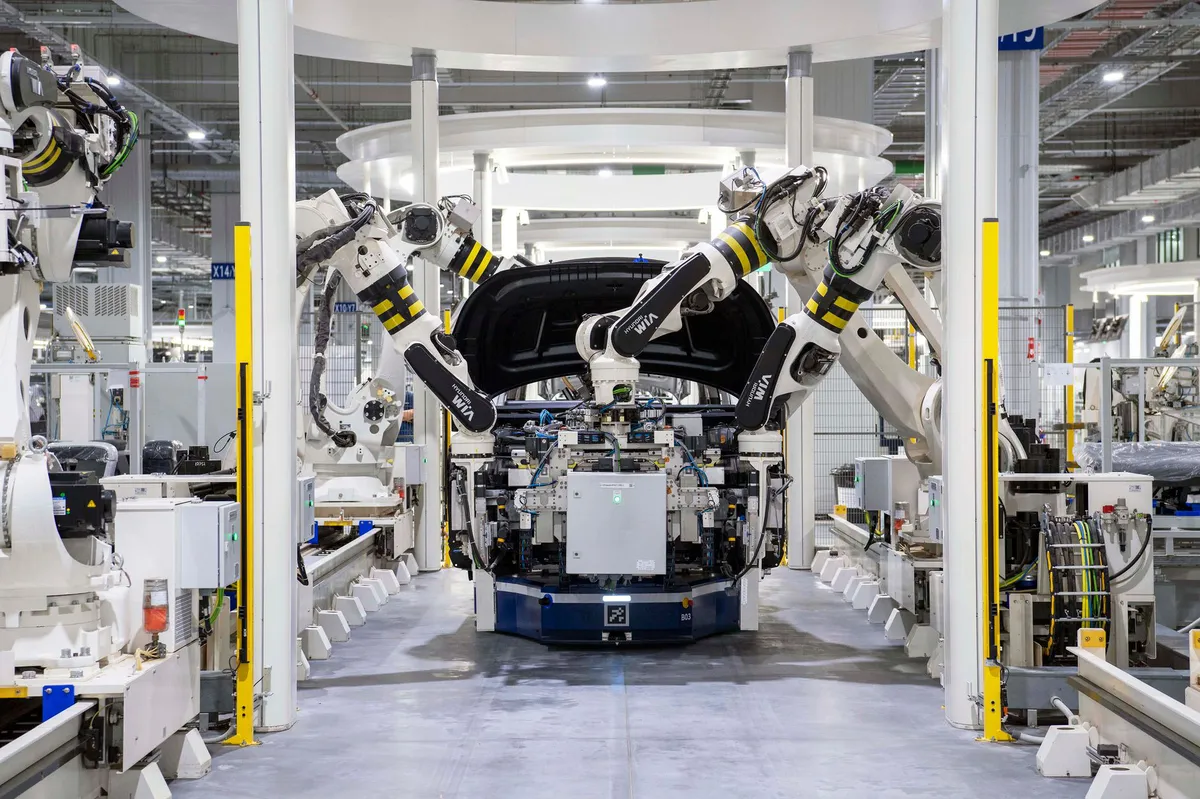
JLR is strategically producing the electric Range Rover alongside its combustion engine and hybrid counterparts at its Solihull plant in the West Midlands. This dual-production approach mitigates risks associated with fluctuating demand for electric vehicles. It also supports British manufacturing at a critical time when the automotive industry faces challenges from Brexit and rising costs.
Approximately 9,000 workers at the Solihull facility have undergone training for electric vehicle production, and an additional 1,500 in the West Midlands region have been similarly prepared. Moreover, the company’s Electric Propulsion Manufacturing Centre in Wolverhampton is responsible for manufacturing battery packs and electric-drive units, further emphasizing JLR's commitment to the electric transition.
Market Challenges and Competitive Landscape
Despite the excitement surrounding the electric Range Rover, challenges remain. The UK market has seen a surge in affordable electric vehicles, particularly from Chinese manufacturers. For example, the Chery Automobile Co.’s Jaecoo 7 has quickly gained popularity, often referred to as the “Temu Range Rover” for its budget-friendly pricing.
As JLR seeks to solidify its position in the luxury electric market, it must navigate these competitive pressures while maintaining its identity as a premium brand. The company aims to produce between 12,000 to 15,000 units of the electric Range Rover in the forthcoming months, a target that reflects ambitious growth amidst a fluctuating marketplace.
Future Directions and Strategic Goals
Under the leadership of new CEO P B Balaji, JLR is intensifying its focus on the U.S. market, which represents its largest customer base. The introduction of hybrid versions of both the Range Rover and Defender is part of this strategy, demonstrating a commitment to offering a range of eco-friendly options that cater to diverse consumer preferences.
Additionally, the revival of the Jaguar brand with a fully electric lineup signifies JLR's broader commitment to sustainability and innovation. The first vehicle from this new lineup is expected to be unveiled later this year, although initial promotional materials faced criticism for lacking substance.
Key Takeaways
- The electric Range Rover starts at over $200,000, positioning it in the luxury EV market.
- It offers a range of 372 miles and can charge quickly, though competitors may have longer ranges.
- Production is strategically integrated with combustion models to manage market variability.
- JLR aims to produce 12,000 to 15,000 units in the initial months after launch.
- Future plans include hybrid models and a new electric Jaguar lineup.
Frequently Asked Questions
What features set the electric Range Rover apart from competitors?
The electric Range Rover distinguishes itself with its luxury finishes, advanced technology, and performance capabilities, including rapid acceleration and a respectable electric range. While it may not lead in range compared to some competitors, its luxury branding and performance metrics cater to a niche market of affluent consumers who prioritize brand prestige alongside sustainability.
How does the pricing of the electric Range Rover compare to traditional luxury SUVs?
With a starting price over $200,000, the electric Range Rover is positioned at the higher end of the luxury SUV market. This price point is significantly more than the standard combustion-engine Range Rover and aligns it with other high-end electric models. However, it is essential to consider the features and performance that come with this pricing, which may justify the investment for some buyers.
What economic factors are influencing the electric vehicle market in the UK?
The UK automotive industry is facing various economic challenges, including the impacts of Brexit, rising production costs, and the influx of affordable electric vehicles from manufacturers outside the UK. These factors complicate the landscape for luxury brands like JLR, which must adapt to changing consumer preferences while maintaining profitability and competitiveness in a saturated market.
What are JLR's future plans for electric vehicles?
JLR is poised to expand its electric vehicle offerings significantly. Plans include the launch of hybrid models of their popular Range Rover and Defender vehicles, as well as a new fully electric range under the Jaguar brand. These initiatives illustrate JLR's commitment to sustainability and innovation as they adapt to the evolving automotive market.
Comments
Rising Blackout Risks Amidst Extreme Heat: A National Concern
As intense heat waves push electricity grids to their limits, the risk of blackouts looms larger across the U.S. This article explores the implications of this situation for consumers and businesses alike.

Related articles






Popular in Business Insurance
- Surging War-Risk Insurance Rates in the Strait of Hormuz: What It Means for Shipping
- Ross & Yerger Insurance Faces Class Action Over Data Breach Allegations
- Sompo Expands U.S. Workers' Compensation Portfolio with Service Insurance Acquisition
- Legal Battle Unfolds Over $1 Million Truck Crash Insurance Payout
- Howden Group's Ambitious Journey Toward IPO and Expansion