Navigating the Complex Landscape of Reinsurance in 2026
As the reinsurance market evolves, firms like Swiss Re emphasize the need for risk expertise over mere capacity. This article explores the changing risk landscape, emerging opportunities, and the implications for clients and insurers alike.

The reinsurance landscape is experiencing unprecedented transformations as we approach 2026. With escalating natural disasters and evolving risks, companies are recognizing that it is no longer sufficient to merely provide capacity; they must also offer comprehensive risk management solutions. Swiss Re, a prominent player in the reinsurance sector, is at the forefront of this shift, emphasizing the importance of data, risk expertise, and innovative solutions to help clients navigate an increasingly interconnected and complex risk environment.
Urs Baertschi, CEO of Swiss Re's property and casualty reinsurance division, highlighted this necessity as the company prepares for the upcoming Rendez-Vous de Septembre and the January renewal season. According to the Swiss Re Institute, global insured losses from natural catastrophes are projected to rise at a rate of 5% to 7% annually. As we look toward 2026, estimated losses could reach an alarming $148 billion. However, peak-loss scenarios, such as those seen in previous catastrophic events, could skyrocket to $320 billion. This stark reality underscores the growing urgency for reinsurance firms to adapt and innovate.

The Rising Tide of Natural Catastrophe Losses
The trend of increasing insured losses is not merely a statistical anomaly; it reflects deeper shifts in societal behaviors and environmental conditions. Baertschi candidly noted that the relatively low losses observed in recent years, including 2026, can largely be attributed to luck rather than a fundamental change in risk exposure. While this might seem fortunate, it does not mitigate the underlying vulnerabilities that exist across various regions and sectors.
Wildfire Risks in Europe
One stark example of this evolving risk landscape is Europe's wildfire season, which has been highlighted as a growing threat. Wildfires are the fastest-growing weather peril worldwide, with insured losses in Europe increasing by an estimated 8% to 11% annually. This alarming trend coincides with urban sprawl into fire-prone areas, exacerbating the potential for catastrophic losses.
Emerging Opportunities in Data Centers
Swiss Re is also identifying new avenues for growth, particularly in the data center sector. The Institute forecasts that global investment in data centers will exceed $6 trillion by 2030, presenting a significant insurance premium opportunity of approximately $91 billion by the end of the decade. This investment surge is driven by the rapid expansion of cloud services, with the top five providers expected to spend over $600 billion this year alone.
Concentration Risks
However, this growth comes with its own set of challenges. A concerning 40% of U.S. data center capacity resides in areas with significant tornado risks. As these facilities expand and their dependence on interconnected infrastructure increases, so does the risk of catastrophic losses. The potential maximum loss for a single large data center site could reach around $10 billion, underscoring the limitations of traditional reinsurance capital in covering such high-stakes exposures. The need for alternative capital sources, like catastrophe bonds and sidecars, is becoming increasingly essential to fill these gaps.

The Importance of Casualty Risk Management
In addition to natural catastrophe risks, commercial liability losses have reached staggering heights. In 2025, these losses exceeded $174 billion, surpassing the global insured losses from natural catastrophes, which stood at $120 billion. This stark reality highlights the importance of casualty risk management—an area that has often been overshadowed by property catastrophe exposure.
Litigation Environment and Future Claims
The rising complexity of risk is further amplified by the current litigation environment, characterized by elevated jury verdicts and uncertainty regarding future claims severity. Gianfranco Lot, Swiss Re's Chief Underwriting Officer, emphasized that effective underwriting increasingly relies on understanding the interplay between different exposures and identifying potential risk concentrations.
Geopolitical Tensions and Their Impact
Geopolitical tensions also play a significant role in shaping the reinsurance landscape. Disruptions to global value chains can trigger cascading effects on energy, commodity, and supply chain costs, ultimately driving inflationary pressures that contribute to increased repair and replacement costs. For reinsurers, grasping these interconnected dynamics is becoming as crucial as understanding the underlying peril data itself.

Key Takeaways
- Increasing Natural Catastrophe Losses: Global insured losses from natural disasters are projected to rise by 5% to 7% annually.
- Data Centers as an Opportunity: The data center sector presents a $91 billion insurance premium opportunity by the end of the decade.
- Casualty Risks: Commercial liability losses surpassed natural catastrophe losses, highlighting the need for focused underwriting.
- Geopolitical Factors Matter: Geopolitical tensions can significantly impact costs and claims severity in the reinsurance market.
- Alternative Capital Solutions: Catastrophe bonds and sidecars are essential for addressing high-capacity risks in the evolving market.
Frequently Asked Questions
What are the main factors driving the increase in global insured catastrophe losses?
The primary factors contributing to the rise in global insured catastrophe losses include changing climate patterns, urbanization in high-risk areas, and increased asset values. As more people and properties are situated in vulnerable locations, the potential for loss escalates, making it vital for insurers to reassess risk models and underwriting practices.
How are reinsurers adapting to the challenges posed by data centers?
Reinsurers are adapting by exploring alternative capital solutions and innovative risk management strategies. The emergence of catastrophe bonds and sidecars allows them to tap into new sources of capital to cover extreme loss scenarios associated with large data centers, which are becoming integral infrastructures in the digital economy.
What role do geopolitical tensions play in the reinsurance market?
Geopolitical tensions can create instability in global supply chains, leading to fluctuations in energy and commodity prices. These disruptions can raise repair and replacement costs associated with claims, making it essential for reinsurers to understand and manage these risks effectively as part of their portfolio strategies.
Why is it important for reinsurers to focus on casualty risks?
Focusing on casualty risks is crucial because they have become equally significant as property catastrophe risks. The increasing complexity of litigation and heightened jury awards means that casualty losses can exceed those from natural disasters, necessitating a balanced approach in underwriting and risk management strategies.
Comments
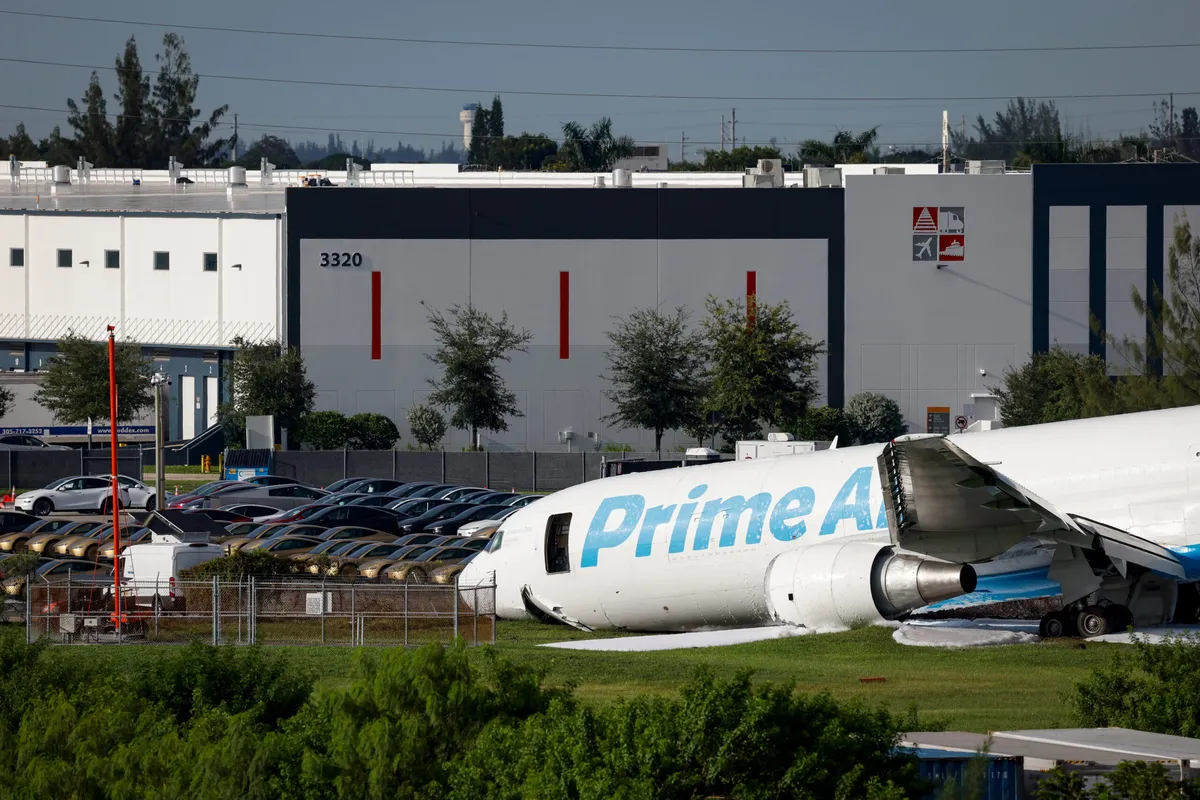
Understanding Liability in the Wake of the Miami Cargo Plane Crash
The recent cargo plane crash involving an Amazon-branded aircraft raises crucial questions about liability and the complexities of aviation law. This article delves into the implications for Amazon, the operational dynamics of contracted cargo carriers, and what this means for consumers and the industry.
Related articles







Popular in Business Insurance
- Surging War-Risk Insurance Rates in the Strait of Hormuz: What It Means for Shipping
- Ross & Yerger Insurance Faces Class Action Over Data Breach Allegations
- Sompo Expands U.S. Workers' Compensation Portfolio with Service Insurance Acquisition
- Legal Battle Unfolds Over $1 Million Truck Crash Insurance Payout
- Howden Group's Ambitious Journey Toward IPO and Expansion