Understanding Liability in the Wake of the Miami Cargo Plane Crash
The recent cargo plane crash involving an Amazon-branded aircraft raises crucial questions about liability and the complexities of aviation law. This article delves into the implications for Amazon, the operational dynamics of contracted cargo carriers, and what this means for consumers and the industry.
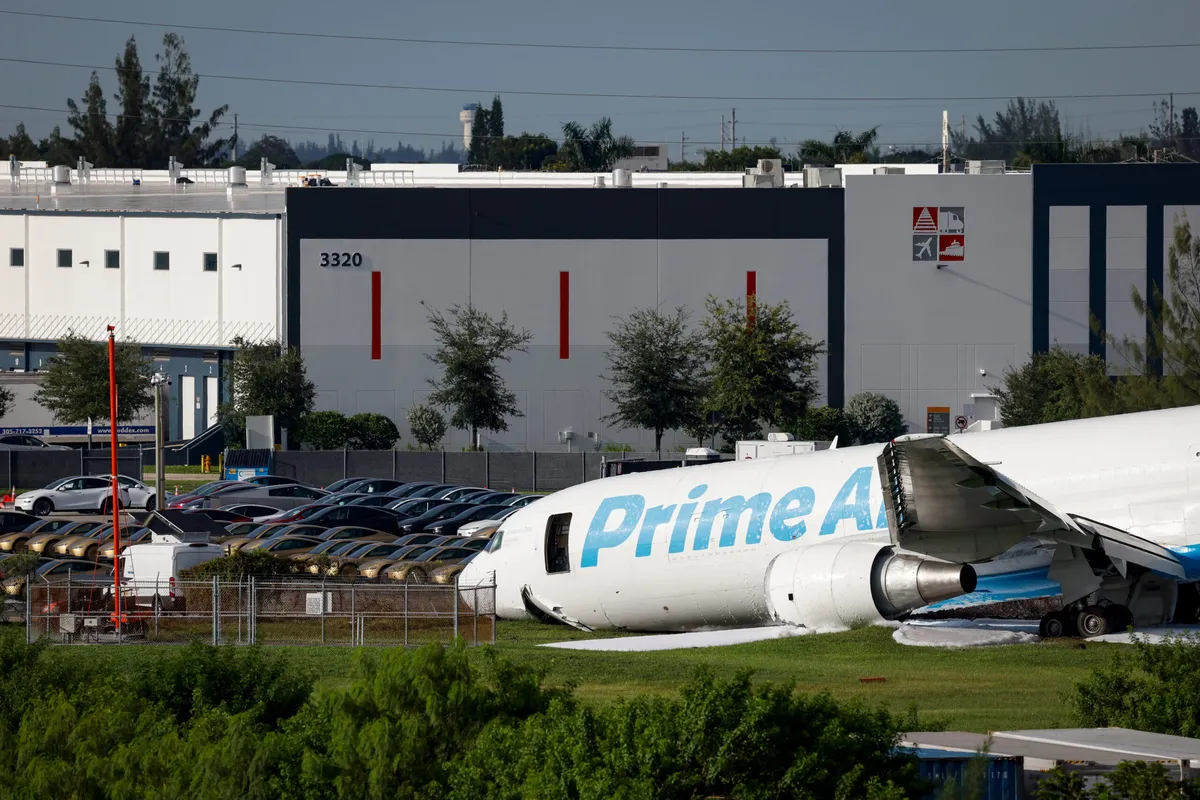
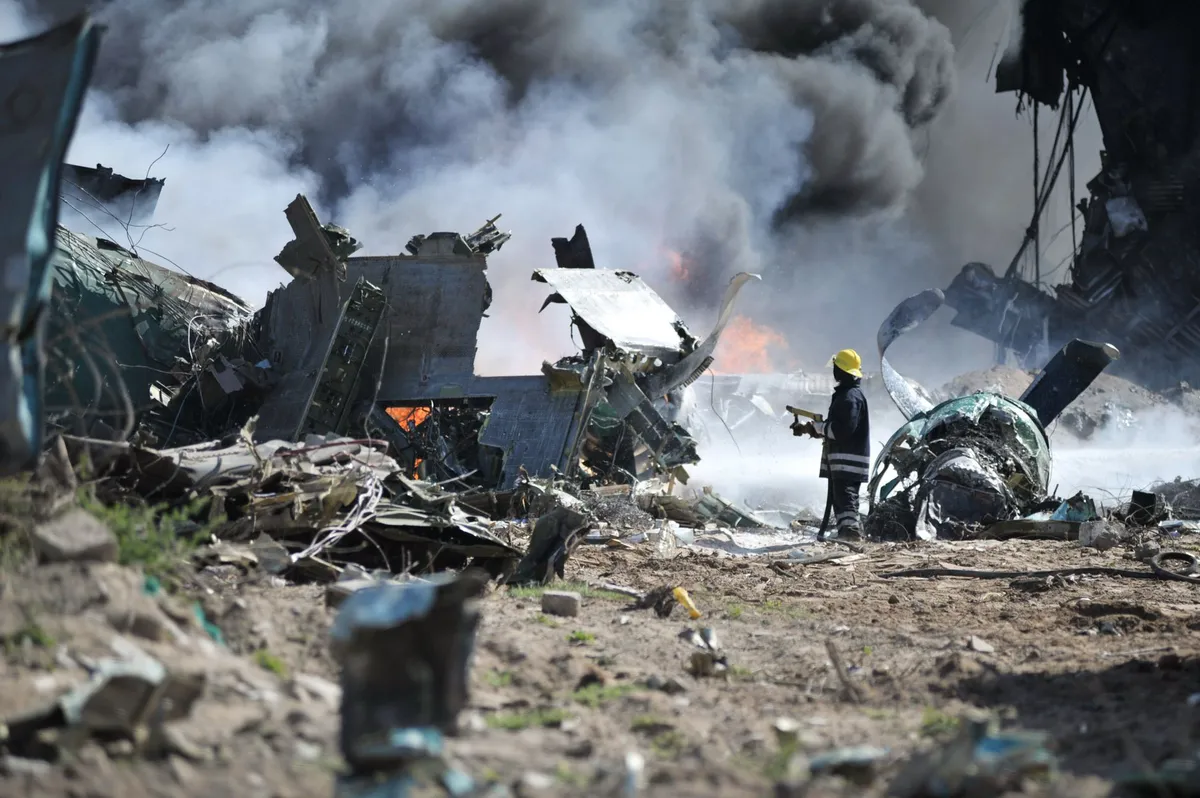
The tragic cargo plane crash at Miami International Airport serves as a stark reminder of the complexities of aviation safety and liability. On September 6, 2026, a Boeing 767, emblazoned with the familiar Amazon smile logo, overshot the runway, resulting in the deaths of five individuals from a nearby cleaning crew. As investigations unfold, the question arises: how much liability does Amazon bear for this incident, given that it does not own the aircraft or employ the pilots? This incident exemplifies the intricate web of operational control, contractual obligations, and liability that characterizes modern logistics and transportation.
At the heart of the matter is the operational relationship between Amazon and its contracted cargo carrier, 21 Air, which operated the flight. While the Amazon logo was prominently displayed on the aircraft, the actual control and responsibility lie with 21 Air, a North Carolina-based carrier that operates a fleet of planes on behalf of Amazon. This situation highlights a growing trend in the logistics industry where major corporations outsource significant portions of their operations to third-party contractors, thereby transferring much of the associated risk.
Understanding Operational Control in Aviation Incidents
In aviation law, the concept of "operational control" plays a pivotal role in determining liability. The National Transportation Safety Board (NTSB) is currently investigating the crash to ascertain whether there were any operational failures that contributed to the accident. According to Steven Marks, an aviation attorney, the NTSB's focus will likely be on who had operational control of the aircraft at the time of the crash. In this case, that would be 21 Air, which would be responsible for maintenance, pilot training, and overall flight operations.
The Investigation Process
The NTSB is expected to conduct interviews with the pilots and examine flight data to understand the events leading to the crash. Reports indicate that the plane increased thrust seconds before landing—a maneuver typically used to abort a landing attempt. Such details are crucial in determining whether pilot error, mechanical failure, or other factors contributed to the tragedy. If 21 Air is found liable, it will likely rely on its insurance coverage to handle any claims, which is standard practice in the industry.

Amazon's Business Model and Liability Shielding
Amazon's operational strategy has consistently involved outsourcing logistics to independent contractors, a practice that has proven effective in managing costs and streamlining operations. By contracting with companies like 21 Air, Amazon can maintain a robust delivery network while minimizing its direct liability. This separation is not unique to Amazon; major carriers like FedEx and UPS also utilize contract carriers for parts of their operations, often to manage fluctuating demand and reduce overhead costs.
Legal Implications of Outsourcing
This arms-length relationship can serve as a legal shield, protecting Amazon from direct claims related to accidents involving its contracted services. For instance, in a previous incident involving an Amazon Air freighter operated by Atlas Air, the NTSB attributed the crash to pilot error, absolving Amazon of direct liability despite the prominent branding on the aircraft. Legal experts, including Mary Schiavo, note that proving Amazon had operational control over the aircraft in Miami will be a significant hurdle for any claims against the company.
The Broader Impact on Aviation Safety and Regulations
The unfortunate Miami crash raises broader questions about aviation safety standards, particularly concerning contracted services. As companies like Amazon expand their logistics capabilities through outsourcing, the aviation industry must ensure that safety protocols and operational standards are upheld across all levels of service. This incident could prompt regulatory scrutiny and lead to calls for stricter oversight of contracted cargo operations.
- Safety Standards: Increased focus on safety protocols for contracted carriers.
- Insurance Requirements: Potential changes in insurance mandates for cargo operators.
- Operational Control Clarity: Need for clearer definitions of operational control in legal terms.
What This Means for Consumers and Stakeholders
For consumers and stakeholders, the implications of the Miami crash are multifaceted. While Amazon may appear insulated from liability due to its contractual arrangements, the reality is that such incidents can negatively impact public perception and consumer trust. This is particularly relevant in an era where brands are scrutinized for their operational practices and safety records.
Implications for Consumers
Consumers expect safe and reliable service from companies they engage with, and incidents like this can shake confidence. Although Amazon's logistics framework allows for rapid delivery, the question of safety cannot be overlooked. As investigations unfold, consumers will be keenly aware of how the company addresses safety concerns and its responsibility toward victims and their families.
Key Takeaways
- Amazon may be shielded from liability due to its contractual relationship with 21 Air.
- The NTSB investigation will focus on operational control and pilot actions at the time of the crash.
- This incident could lead to increased regulatory scrutiny over contracted cargo operations.
- Consumers are likely to be affected by public perception around Amazon's safety practices.
Frequently Asked Questions
What is operational control in aviation law?
Operational control refers to the authority and responsibility for the operation of an aircraft. It encompasses various aspects, such as flight scheduling, crew management, and maintenance. In legal terms, determining who holds operational control during an incident is crucial in assessing liability and accountability for accidents.
How does Amazon's business model affect its liability in accidents?
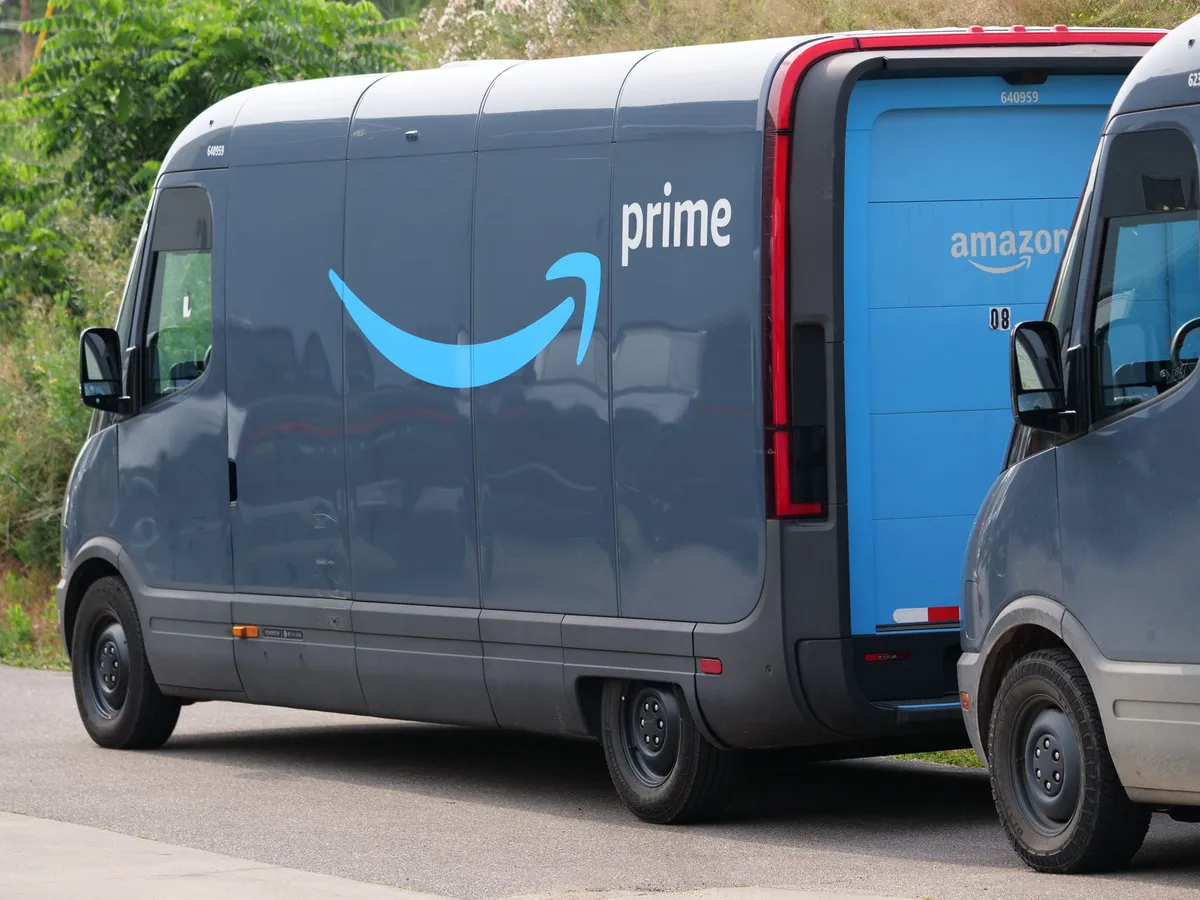
Amazon's business model relies heavily on outsourcing logistics to independent contractors. This separation allows Amazon to limit its liability in the event of accidents, as the contracted companies—like 21 Air—are responsible for operational control. This legal shielding can complicate claims against Amazon, even in cases where its branding is prominently displayed on the aircraft or vehicles involved.
What can consumers expect after an incident like this?
Consumers may experience heightened concerns about safety and reliability in the wake of incidents like the Miami cargo plane crash. Companies involved will likely face increased scrutiny from regulators and the public. Additionally, consumers might call for better safety assurances and transparency regarding how logistics operations are managed, particularly when safety standards are called into question.
Comments
Sharon Duez Shaw Takes the Helm as VP and Head of Claims at Pharmacists Mutual
Pharmacists Mutual Insurance Group has appointed Sharon Duez Shaw as the new vice president and head of claims, marking a significant leadership transition as the company prepares for the retirement of Peter Lambert in 2027.

Related articles






Popular in Business Insurance
- Surging War-Risk Insurance Rates in the Strait of Hormuz: What It Means for Shipping
- Ross & Yerger Insurance Faces Class Action Over Data Breach Allegations
- Sompo Expands U.S. Workers' Compensation Portfolio with Service Insurance Acquisition
- Legal Battle Unfolds Over $1 Million Truck Crash Insurance Payout
- Howden Group's Ambitious Journey Toward IPO and Expansion