Revolutionizing Insurance Claims: AI and Innovations from Corgi, Liberate, and VERVE
Explore how companies like Corgi, Liberate, and VERVE are reshaping the insurance claims landscape with AI technology. Discover the implications for adjusters and policyholders.

The insurance industry is undergoing a seismic shift as artificial intelligence (AI) and innovative technologies become increasingly integrated into claims processing. The launch of new platforms like Corgi Claims, Liberate's Voice First Notice of Loss Accelerator, and VERVE's conversational AI are not just tech upgrades; they represent a significant evolution in how claims are managed, processed, and communicated. While these innovations promise improved efficiency and customer service, they also raise questions about the future of claims adjusters and the overall claims experience.
In a recent survey conducted by Claims Journal, a striking 39% of claims professionals identified workload as their primary concern, overshadowing the worries associated with AI adoption, which garnered 30% of the votes. This suggests a paradox where industry professionals recognize the potential of AI yet feel overwhelmed by the operational demands of their current roles. This piece explores how these new technologies are redefining the landscape and what they mean for industry stakeholders.
The Rise of AI in Claims Processing
The insurance sector has been slow to adopt AI technologies, largely due to a combination of skepticism and the industry's unique challenges. However, the advent of new players like Corgi Insurance is changing the narrative. Corgi Claims, a newly launched third-party administrator, harnesses AI to streamline claims processing by pairing over 5,000 licensed adjusters with a sophisticated AI system that evaluates claims in real-time.
How Corgi Claims Works
Corgi Claims operates across various lines of business, including:
- Commercial liability
- Property
- Workers’ compensation
- Catastrophic events
- Renters insurance

Understanding the Claims Adjuster Perspective
Despite the benefits of AI integration, the sentiment among claims adjusters is decidedly cautious. A report from Glassdoor indicated that the insurance sector is one of the most critical industries regarding AI, with 81% of comments about AI being negative. Notably, 98% of comments from claims adjusters were critical, showcasing a pronounced mistrust of technology in their field.
The Shift in Roles
This skepticism can be attributed to a fear of job displacement and the emotional toll of relying on technology to make decisions that were once firmly in human hands. As AI continues to evolve, there is an urgent need for training programs that equip adjusters with the skills to work alongside AI, rather than compete with it. The industry must evolve its workforce to ensure that adjusters become adept at interpreting AI-generated data rather than being replaced by it.
Innovations from Liberate and VERVE
Two other players, Liberate and VERVE, are also making waves in the claims space with their innovative approaches. Liberate has introduced the Voice First Notice of Loss Accelerator, a tool designed to automate claim intake using voice AI. This technology not only facilitates 24/7 claim reporting but also addresses common pitfalls such as human error and time constraints associated with traditional call centers.
Streamlining Claims with Voice AI
When a policyholder calls to file a claim, the AI voice agent captures critical information, including:
- Policy details
- Incident information
- Identity verification

VERVE's Conversational AI Approach
Meanwhile, VERVE has partnered with EHVA.ai to enhance customer interactions through conversational AI. This technology is specifically designed for high-volume insurance operations and can handle inquiries related to policy status and claims status. VERVE's Voice AI provides real-time updates on claims, including:
- Open claims status
- Adjuster assignment
- Next steps for claim resolution

Key Takeaways
- Corgi, Liberate, and VERVE are leading the charge in AI adoption within the insurance claims landscape.
- Claims adjusters express significant skepticism towards AI, with a majority viewing it negatively.
- Innovations in voice AI are streamlining the claims process and improving customer interactions.
- Training and reskilling of claims professionals are essential to integrate AI effectively into workflows.
- The future of claims processing will likely involve a hybrid model of humans and AI working together.
Frequently Asked Questions
How does AI improve the claims process?
AI enhances the claims process by automating repetitive tasks, such as claim intake and data validation. This not only speeds up processing times but also minimizes errors that can occur with manual entry. With AI's ability to analyze vast amounts of data quickly, insurers can make more informed decisions about claims, leading to improved outcomes for both carriers and policyholders.
Will AI replace claims adjusters?
While AI will certainly change the role of claims adjusters, it is unlikely to replace them entirely. Instead, the future will likely see adjusters working alongside AI systems, interpreting data and making nuanced decisions that AI cannot. This means that adjusters will need to evolve their skills to remain relevant in an increasingly automated environment.
What should claims professionals do to prepare for AI integration?
Claims professionals should focus on developing their technical skills, particularly in areas such as data analysis and AI interpretation. Engaging in ongoing training and education programs will be crucial. Additionally, embracing a mindset of adaptability and openness to change will help professionals thrive in a tech-driven landscape.
How can insurers ensure a smooth transition to AI technologies?
Insurers can facilitate a smooth transition to AI by investing in comprehensive training programs for their staff and ensuring that there is clear communication about the changes being implemented. Pilot programs can also be valuable, allowing teams to gradually adapt to new technologies while providing feedback to refine processes before full-scale implementation.
Comments
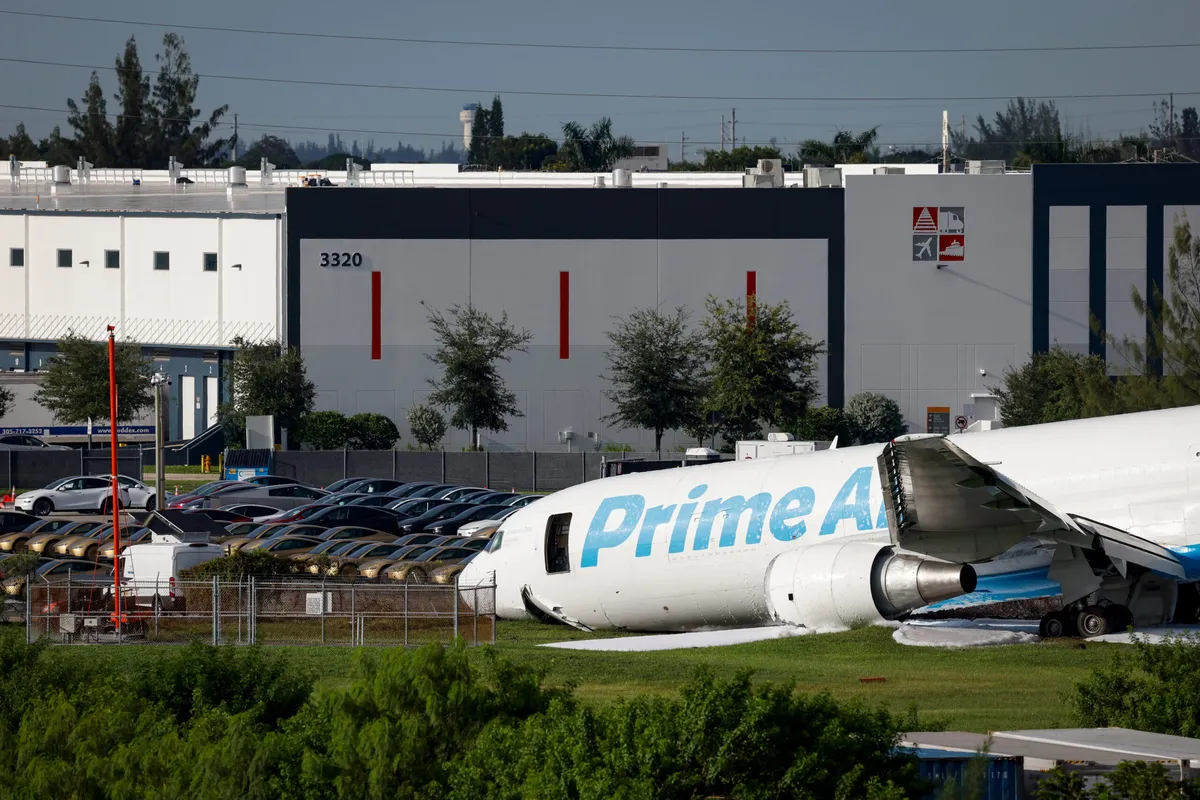
Understanding Liability in the Wake of the Miami Cargo Plane Crash
The recent cargo plane crash involving an Amazon-branded aircraft raises crucial questions about liability and the complexities of aviation law. This article delves into the implications for Amazon, the operational dynamics of contracted cargo carriers, and what this means for consumers and the industry.
Related articles







Popular in Business Insurance
- Surging War-Risk Insurance Rates in the Strait of Hormuz: What It Means for Shipping
- Ross & Yerger Insurance Faces Class Action Over Data Breach Allegations
- Sompo Expands U.S. Workers' Compensation Portfolio with Service Insurance Acquisition
- Legal Battle Unfolds Over $1 Million Truck Crash Insurance Payout
- Howden Group's Ambitious Journey Toward IPO and Expansion