Are Claims Adjusters Becoming Just Processors? A Deep Dive
This article explores the ongoing debate in the insurance industry about whether claims adjusters are being trained to think critically and make decisions or merely to follow processes. With the rise of technology and artificial intelligence, the role of the claims adjuster is evolving, raising important questions about the future of the profession.

The landscape of the insurance industry is rapidly changing, shaped by technological advancements and evolving best practices. As companies adopt more automated solutions, a crucial question arises: are we training claims adjusters to think critically and make informed decisions, or are we simply turning them into claims processors who follow a series of steps without understanding the nuances of each case? This question is particularly pertinent today when artificial intelligence (AI) and machine learning are increasingly integrated into claims handling processes, promising efficiency but potentially detracting from the critical thinking that the profession demands.
In the past, claims adjusters were expected to engage deeply with each case. They were not just responsible for processing documents; they were tasked with interpreting facts, asking probing questions, and ultimately making decisions that could substantially impact policyholders’ lives. However, as the insurance industry embraces technology that streamlines many of these tasks, there is a risk that the role of the adjuster is becoming more procedural, focusing on completing checklists rather than evaluating the complexity of individual claims.
The Distinction Between Adjusting and Processing
At first glance, the roles of claims adjusters and claims processors may appear synonymous, but they are fundamentally different. A claims processor simply handles the raw data associated with a claim, such as entering the police report into a system or forwarding medical records to a review committee. In contrast, a claims adjuster is expected to analyze this information critically, synthesizing various data points to arrive at a fair and just conclusion.
The Role of Questions in Claims Management
A seasoned claims adjuster excels in the art of inquiry. For instance, when examining witness statements, an adjuster should not merely note discrepancies; they should explore the implications of these inconsistencies. Why does the witness report differ from the insured’s account? What additional information is needed to clarify the situation? This inquisitive mindset is essential for uncovering facts that can lead to a more accurate assessment of liability or coverage.
- Processing: Collecting and organizing data without critical evaluation.
- Adjusting: Analyzing data, asking relevant questions, and making informed decisions.
- Outcome Focus: Adjusters prioritize outcomes, while processors focus on tasks.

The Role of Technology in Claims Handling
Technological advancements, particularly AI, are reshaping the way claims are processed. According to the National Association of Insurance Commissioners (NAIC), a significant portion of auto and homeowners insurers are already using or considering AI to aid in claims management. This technology promises to enhance efficiency by summarizing documents, organizing data, and performing repetitive tasks that traditionally consumed a considerable amount of an adjuster's time.
Benefits and Pitfalls of Automation
While these innovations can undoubtedly free up time for claims adjusters, the crux of the matter lies in how this time is utilized. Ideally, automation should allow adjusters to devote more time to complex decision-making and critical thinking. However, if the focus shifts toward merely managing the technology itself or adhering to automated processes, the profession risks diminishing the nuanced judgment that adjusters are meant to exercise.
For example, the Swiss Re ClaimsGenAI initiative showcases how automation can streamline corporate claims handling. By allowing human experts to retain control over decision-making, the initiative aims to marry technological efficiency with the critical analysis that is vital in claims adjustment.

The Importance of Mentorship and Development
One of the most significant factors in ensuring that adjusters do not become mere processors is effective mentorship and training. Supervisors and experienced adjusters play a critical role in fostering a culture of inquiry and analysis. Instead of providing direct answers to questions, leaders should guide less experienced adjusters to arrive at their own conclusions.
Building Judgment Through Experience
When a new adjuster approaches a mentor with a dilemma, the mentor’s response can shape the adjuster's development. Rather than simply advising the adjuster on what steps to take, a mentor might ask, “What do you think we should do?” and then follow up with, “Why?” This practice encourages critical thinking and helps develop an adjuster's judgment, enabling them to think independently in the future.
In essence, the goal should be to cultivate adjusters who can provide well-reasoned recommendations based on their assessments of the facts, rather than relying solely on procedural checklists.

Looking Ahead: The Future of Claims Adjusting
The future of claims adjusting hinges on the balance between leveraging technology and preserving the essential human elements of analysis and judgment. As the industry evolves, it is crucial for organizations to recognize that while efficiency is important, the core value of an adjuster lies in their ability to interpret the story behind the data and decide on the next steps.
Embracing Change While Retaining Value
Adjusters must be empowered to engage in critical thinking, allowing them to ask the right questions and provide meaningful insight into the claims process. The evolution of technology should be viewed as an opportunity to enhance, not replace, the human element of the profession. Ultimately, the adjuster’s role is not just to process claims but to adjust them—making informed decisions based on the nuances of each case.
Key Takeaways
- **Distinction:** Claims adjusters analyze and interpret information, while processors merely execute tasks.
- **Technology's Role:** Automation can enhance efficiency but should not replace critical thinking.
- **Mentorship Matters:** Effective training fosters analytical skills and independent decision-making.
- **Future Focus:** The insurance industry must balance efficiency with the need for human judgment in claims handling.
Frequently Asked Questions
What is the main difference between a claims adjuster and a claims processor?
The primary difference lies in the depth of engagement with the claims. A claims processor mainly focuses on administrative tasks such as data entry and document organization. In contrast, a claims adjuster critically analyzes the information, asking probing questions and making informed decisions based on the nuances of each claim. This distinction is crucial for effective claims management.
How is technology changing the role of claims adjusters?
Technology, particularly artificial intelligence, is streamlining many of the administrative tasks traditionally handled by claims adjusters. This allows adjusters to focus more on critical thinking and decision-making. However, there is a risk that as technology advances, the role could shift towards processing rather than adjusting unless organizations prioritize the importance of human judgment in the claims handling process.
What can insurance companies do to ensure adjusters maintain their critical thinking skills?
Insurance companies can foster a culture of inquiry by encouraging mentorship and providing training that emphasizes critical thinking. Supervisors should guide adjusters to arrive at their own conclusions rather than simply giving answers. This approach helps develop their analytical skills and prepares them to handle claims more effectively in the future, ultimately benefiting both the adjusters and the insured.
What does the future hold for the profession of claims adjusting?
The future of claims adjusting will likely see an increased reliance on technology for efficiency, but the core value of the profession will remain in the adjuster's ability to interpret information and make nuanced decisions. As the industry evolves, it will be essential to balance the benefits of automation with the need for human judgment to ensure that claims are not just processed but adjusted in a manner that is fair and just.
Comments
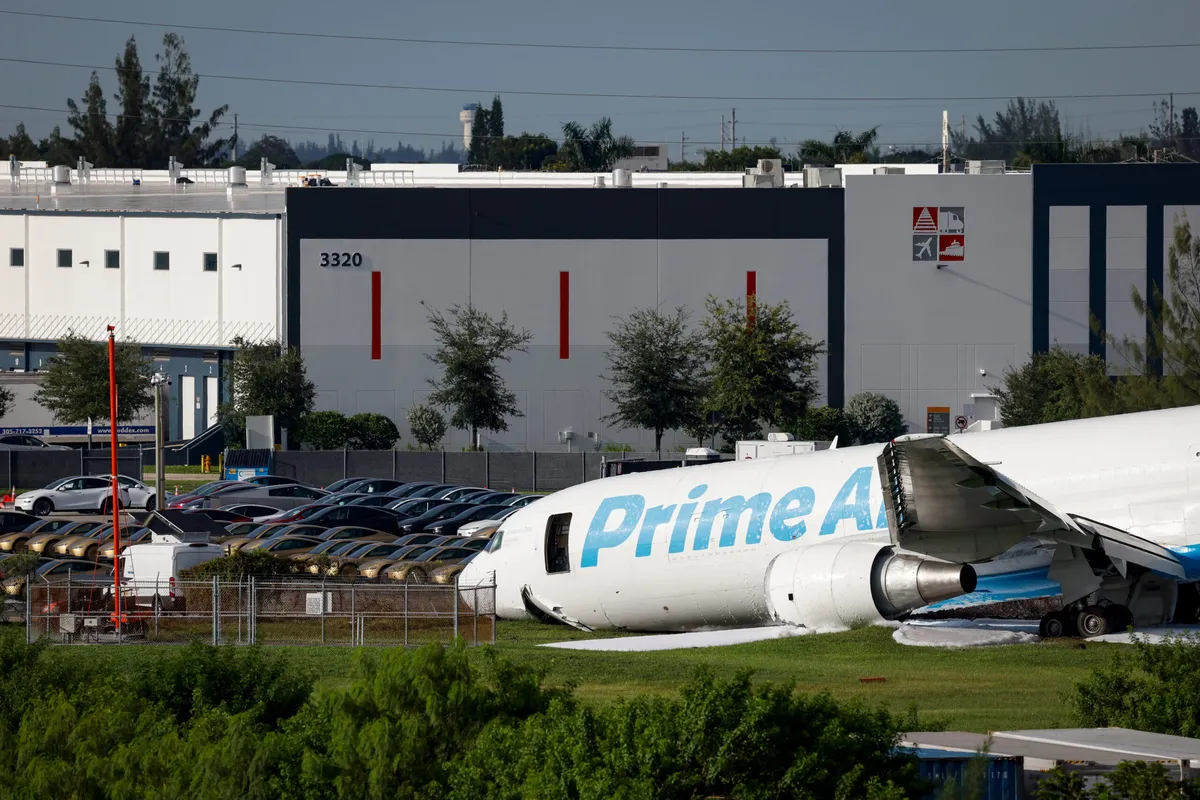
Understanding Liability in the Wake of the Miami Cargo Plane Crash
The recent cargo plane crash involving an Amazon-branded aircraft raises crucial questions about liability and the complexities of aviation law. This article delves into the implications for Amazon, the operational dynamics of contracted cargo carriers, and what this means for consumers and the industry.
Related articles







Popular in Business Insurance
- Surging War-Risk Insurance Rates in the Strait of Hormuz: What It Means for Shipping
- Ross & Yerger Insurance Faces Class Action Over Data Breach Allegations
- Sompo Expands U.S. Workers' Compensation Portfolio with Service Insurance Acquisition
- Legal Battle Unfolds Over $1 Million Truck Crash Insurance Payout
- Howden Group's Ambitious Journey Toward IPO and Expansion