How Big Data and AI Are Transforming Insurance Litigation
The integration of big data and artificial intelligence in legal strategies is reshaping the landscape of insurance litigation, leading to higher settlements and jury awards. This article explores the implications for both plaintiffs and insurers.

The legal landscape is undergoing a seismic shift as big data and artificial intelligence (AI) become increasingly integrated into insurance litigation strategies. With the rise of technology in the courtroom, plaintiffs' attorneys are leveraging sophisticated tools to gain a competitive edge, driving jury awards and settlement demands to unprecedented heights. This evolution raises significant questions about the future of legal battles and the implications for insurers, plaintiffs, and the integrity of the justice system.
In a recent brain-injury lawsuit, attorney Nick Kosiavelon found himself at a distinct disadvantage against a formidable team from the national law firm Morgan & Morgan. Armed with laptops and tablets brimming with information about potential jurors—ranging from social media activity to property records—the plaintiffs' attorneys quickly identified whom to exclude from the jury pool. “They had a lot more information than I had,” Kosiavelon remarked, highlighting the growing disparity in resources available to legal teams.

The Rise of Data-Driven Litigation
As technology advances, the methods employed by attorneys are evolving. Plaintiffs' firms are increasingly investing in data analytics and AI to assess jury behaviors and predict case outcomes. The practice of using online mock juries—groups of individuals hired to simulate jury behavior and provide feedback on case arguments—is gaining traction. These mock jurors can be recruited for less than $60 each and provide insights that can dramatically shape trial strategies.
Tools and Techniques
One notable tool in this arena is JuryBall, a book and app that draws parallels to the revolutionary data strategies in baseball outlined in Michael Lewis’s classic, Moneyball. The authors argue that extensive data on mock jurors can provide invaluable information on how to present cases. For instance, in one highlighted case, a child sexual-abuse victim was initially offered a settlement of $15 million. However, after using mock juries to test various arguments, the plaintiffs' firm proceeded to trial and won a staggering $485 million verdict.

Impact on Insurance Companies
The implications of this data-driven approach extend far beyond the courtroom. Insurance companies are facing increasing pressure as the landscape of litigation evolves. Brian McCarthy, CEO of eMaxx Assurance, emphasizes that the competition is no longer just among insurance companies but also against sophisticated plaintiffs' lawyers equipped with high-tech resources. As jury awards rise, insurers must adapt to mitigate the risks associated with higher potential payouts.
Escalating Costs
The statistics are striking: private equity investments in litigation funding have surged by 70% in recent years, now surpassing $16 billion annually, with projections indicating that this figure could reach $25 billion within the next decade. Meanwhile, traditional lawsuits are on the rise, contributing to a 70% increase in injury lawsuits in state courts and a 33% increase in federal courts over the past decade.
- Injury lawsuits up 70%: A significant rise in the number of injury lawsuits filed in state courts.
- Private equity funding: Litigation funding has surged by 70%, now topping $16 billion.
- Nuclear verdicts: Awards exceeding $10 million have jumped 41% between 2024 and 2025.

Challenges for Defense Attorneys
As plaintiffs' lawyers embrace data and technology, defense attorneys face pressing challenges. Many traditional defense firms rely on instinct and experience to guide their strategies, but this may no longer suffice in the face of advanced analytics. Greg Katz, national managing partner for Lewis Brisbois, warns that the growing reliance on data could diminish the role of intuition in legal practice. “They think they’ve come up with a different way to ring the bell and add zeroes to awards,” he notes.
A Changing Landscape
Some defense attorneys are adapting by integrating technology into their practices. Tools such as JuryVision allow for rapid feedback on arguments, enabling lawyers to refine their strategies based on AI-generated insights. However, the challenge remains: if plaintiffs’ counsel employs cutting-edge technology while defense teams stick to traditional methods, insurers may find themselves at a strategic disadvantage.
Ethical Considerations and Future Outlook
While the advantages of data-driven litigation are evident, ethical considerations loom large. The use of AI and big data in the courtroom raises questions about fairness and transparency. Some courts may restrict the use of such technologies, and the potential for manipulation of data could undermine the integrity of the legal process. Kosiavelon, who has witnessed the rapid evolution of these tools, cautions against losing sight of the fundamental principles of justice.
Preparing for the Future
As the legal community grapples with these changes, it is crucial for all parties involved—insurers, defense attorneys, and plaintiffs—to adapt and prepare. Insurers are encouraged to invest in technology and training to keep pace with the evolving landscape. “It all comes down to what an insurance company wants to spend on it,” Kosiavelon states. By embracing innovation, firms can position themselves to navigate the complexities of modern litigation effectively.

Key Takeaways
- Big data and AI: These technologies are reshaping insurance litigation strategies.
- Rising settlements: Jury awards are increasing, driven by advanced analytics and mock juries.
- Insurance implications: Insurers face greater risks as litigation costs rise and jury expectations shift.
- Adaptation essential: Both plaintiffs and defense attorneys must embrace technology to remain competitive.
Frequently Asked Questions
What is the role of big data in insurance litigation?
Big data plays a crucial role in shaping legal strategies by providing insights into jury behavior, case arguments, and potential outcomes. Plaintiffs' attorneys use data analytics to assess the strengths and weaknesses of their cases, while also identifying sympathetic jurors and court venues. This data-driven approach can significantly impact the likelihood of favorable jury awards and settlements.
How does AI influence jury selection?
Artificial intelligence is transforming the jury selection process by analyzing vast amounts of data about potential jurors. This includes their social media activity, demographics, and previous jury service. By leveraging AI, attorneys can make informed decisions about which jurors to select or exclude, ultimately increasing their chances of achieving a favorable verdict.
What are the potential risks of using technology in litigation?
While technology offers many advantages, it also presents potential risks. The reliance on data and AI raises ethical concerns regarding fairness and transparency in the courtroom. Additionally, there is a risk of over-reliance on technology, which may undermine the role of human intuition and experience in legal practice. Courts may also impose restrictions on the use of certain technologies, complicating their application in trials.
How can insurers prepare for the changes in litigation?
Insurers can prepare for changes in litigation by investing in technology, training, and adapting their strategies to incorporate data analytics. Understanding the tools and methodologies used by plaintiffs' attorneys will enable insurance carriers to anticipate and respond effectively to rising settlement demands and jury awards. By embracing innovation, insurers can mitigate risks and maintain a competitive edge in the evolving legal landscape.
Comments
Understanding Liability in the Wake of the Miami Cargo Plane Crash
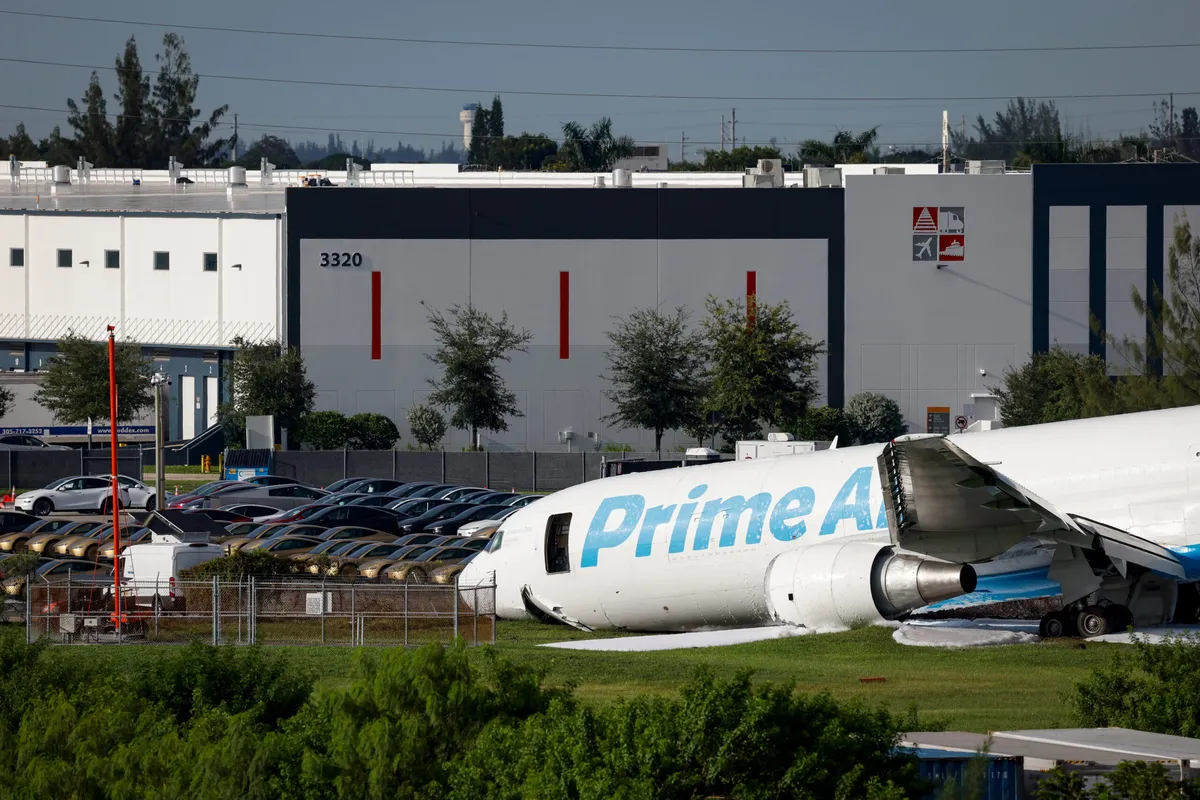
The recent cargo plane crash involving an Amazon-branded aircraft raises crucial questions about liability and the complexities of aviation law. This article delves into the implications for Amazon, the operational dynamics of contracted cargo carriers, and what this means for consumers and the industry.
Related articles







Popular in Business Insurance
- Surging War-Risk Insurance Rates in the Strait of Hormuz: What It Means for Shipping
- Ross & Yerger Insurance Faces Class Action Over Data Breach Allegations
- Sompo Expands U.S. Workers' Compensation Portfolio with Service Insurance Acquisition
- Legal Battle Unfolds Over $1 Million Truck Crash Insurance Payout
- Howden Group's Ambitious Journey Toward IPO and Expansion