The Future of Federal Terrorism Insurance: Navigating TRIA's Reauthorization
As the 25th anniversary of 9/11 approaches, the Terrorism Risk Insurance Act (TRIA) faces uncertainty in reauthorization. This article explores its implications for the insurance industry and stakeholders.
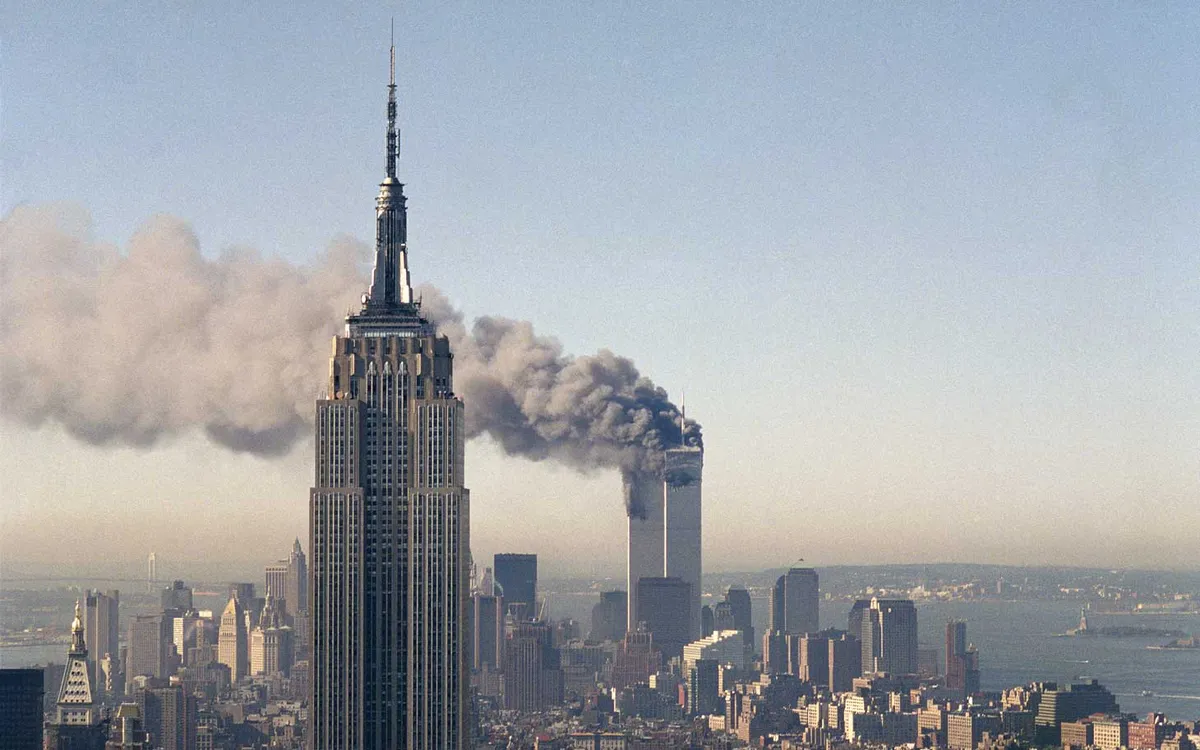
The shadow of September 11, 2001, looms large over the United States, not just in terms of national security and public consciousness, but also in the financial fabric of the nation. The Terrorism Risk Insurance Act (TRIA), established in response to the catastrophic insurance market fallout from the attacks, is now at a critical juncture as it awaits reauthorization. With its expiration looming at the end of 2027, the implications of TRIA's future are profound for businesses, insurance providers, and the economy at large.
TRIA was created as a response to the severe disruption in the insurance market that followed 9/11. Before the attacks, terrorism was often included in standard commercial insurance policies. However, the unprecedented scale of loss and destruction prompted insurers to reassess their risk models and led to a pullback on offering terrorism coverage altogether. This resulted in a near-complete withdrawal of terrorism insurance in the private market, jeopardizing the ability to rebuild key infrastructure and businesses across the nation.
Understanding TRIA: A Public-Private Partnership
Enacted in November 2002, TRIA serves as a federal backstop for insurance claims resulting from acts of terrorism. Under this program, the federal government effectively shares the risk with private insurance companies, ensuring that businesses and communities can access the necessary coverage to protect against catastrophic losses.
How TRIA Works
When a certified act of terrorism occurs—defined as an event causing at least $5 million in insured losses—the federal government steps in to cover a portion of the claims that exceed the insurer's deductible. This structure creates a safety net for insurers, allowing them to offer terrorism coverage without bearing the full brunt of the risk. Key features of TRIA include:
- Certification of Terrorism Events: The Secretary of the Treasury certifies acts of terrorism, triggering the program.
- Insurer Deductibles: Insurers must cover a deductible amount before federal assistance kicks in.
- Copayment Structure: The federal government pays 85% of claims above the deductible, with insurers covering the remaining 15%.
- Program Expiration: The current authorization of TRIA is set to expire on December 31, 2027, unless reauthorized.

The Impact of TRIA on the Insurance Market
Since its inception, TRIA has undergone multiple reauthorizations in 2005, 2007, 2015, and 2019, reflecting its essential role in maintaining market stability. The program has yet to be triggered by a certified terrorism event, which underscores the complexity and unpredictability of terrorism risk.
Despite this, the mere existence of TRIA has allowed insurance companies to provide terrorism coverage with a degree of confidence, enabling businesses to secure financing and invest in infrastructure. Without TRIA, many insurers would likely exclude terrorism from their policies altogether, which would lead to a significant gap in coverage.
Market Confidence and Economic Stability
According to industry experts, TRIA is not just a safety net for insurers but a crucial component of economic resilience. Sam Whitfield, senior vice president of federal government relations for the American Property Casualty Insurance Association (APCIA), remarked, "TRIA helps ensure that businesses, communities, lenders, and employers can access terrorism risk coverage and make long-term investments with confidence." This perspective highlights how the program fosters an environment conducive to economic growth and stability.
The Push for Reauthorization
As we approach the potential expiration of TRIA, the insurance industry is mobilizing to advocate for its reauthorization. The U.S. House of Representatives has already passed legislation to extend the program through 2034, signaling strong bipartisan support for its continuation.
Industry Lobbying Efforts
A coalition of organizations, including the APCIA, National Association of Mutual Insurance Companies, and others, have sent letters to Senate leaders urging swift action to avoid disruptions in the insurance market. They emphasize that waiting until 2027 to reauthorize TRIA would introduce uncertainty that could negatively affect negotiations for terrorism coverage.
“Insurers and policyholders are beginning to negotiate policies that extend beyond the program's current expiration,” the coalition warned. Past delays in reauthorizing TRIA have led to conditional exclusions, where insurers might remove terrorism coverage from policies if the program is not renewed in time.

What Happens If TRIA Expires?
The expiration of TRIA could have dire consequences for the insurance market and the broader economy. Businesses that currently rely on terrorism coverage may find themselves unable to secure adequate protection, leading to a chilling effect on investment and economic activity.
Potential Consequences
Here are some potential outcomes if TRIA is not reauthorized:
- Increased Costs: Without the federal backstop, insurers may raise premiums significantly to account for terrorism risk, putting coverage out of reach for many businesses.
- Market Instability: A lack of terrorism coverage could lead to financing challenges for commercial real estate and infrastructure projects, stalling economic development.
- Widespread Exclusions: Insurers may begin to exclude terrorism from policies altogether, leaving businesses vulnerable in an unpredictable risk environment.

Key Takeaways
- TRIA is essential for maintaining terrorism coverage in the U.S. insurance market.
- The program is set to expire on December 31, 2027, unless reauthorized.
- Industry lobbying efforts are focused on ensuring swift reauthorization to avoid market disruptions.
- The absence of TRIA could result in increased costs and a lack of terrorism coverage.
- Bipartisan support indicates a strong likelihood of reauthorization if advocacy continues.
Frequently Asked Questions
What is the Terrorism Risk Insurance Act (TRIA)?
TRIA is a federal law enacted in 2002 that provides a safety net for insurance companies by sharing the risk of losses from certified acts of terrorism. It allows insurers to offer terrorism coverage while minimizing their exposure to catastrophic losses, thereby promoting economic stability and investment.
How does TRIA impact businesses seeking insurance coverage?
TRIA enables businesses to secure terrorism insurance, which is crucial for accessing financing and making long-term investments. Without TRIA, many insurers would exclude terrorism coverage from their policies, leaving businesses vulnerable to significant financial losses in the event of a terrorist attack.
What are the implications of TRIA not being reauthorized?
If TRIA is not reauthorized, the insurance market could face significant instability, leading to increased premiums, widespread exclusions of terrorism coverage, and a chilling effect on economic development and investment in various sectors.
How can individuals and businesses advocate for TRIA's reauthorization?
Individuals and businesses can advocate for TRIA's reauthorization by contacting their elected representatives, joining industry coalitions, and participating in public discussions about the importance of maintaining terrorism coverage. Engaging in grassroots lobbying efforts can amplify the message to lawmakers about the significance of TRIA for economic resilience.
Comments
Hess vs. National Interstate: A Legal Battle Over Insurance Coverage
Hess Energy has filed a lawsuit against National Interstate Insurance, alleging that the insurer failed to provide coverage for cancer lawsuits stemming from employee exposure to hazardous materials. This article delves into the implications of the case, the insurance dynamics at play, and what it means for companies seeking coverage.

Related articles







Popular in Business Insurance
- Surging War-Risk Insurance Rates in the Strait of Hormuz: What It Means for Shipping
- Ross & Yerger Insurance Faces Class Action Over Data Breach Allegations
- Sompo Expands U.S. Workers' Compensation Portfolio with Service Insurance Acquisition
- Legal Battle Unfolds Over $1 Million Truck Crash Insurance Payout
- Howden Group's Ambitious Journey Toward IPO and Expansion