Saudi Arabia's Pipeline Shutdown: Implications for Marine War Risk Insurance
The recent closure of Saudi Arabia's East-West pipeline due to drone attacks has reignited concerns about marine war risk and political violence insurance. This feature explores the broader implications for the insurance market and global oil supply.
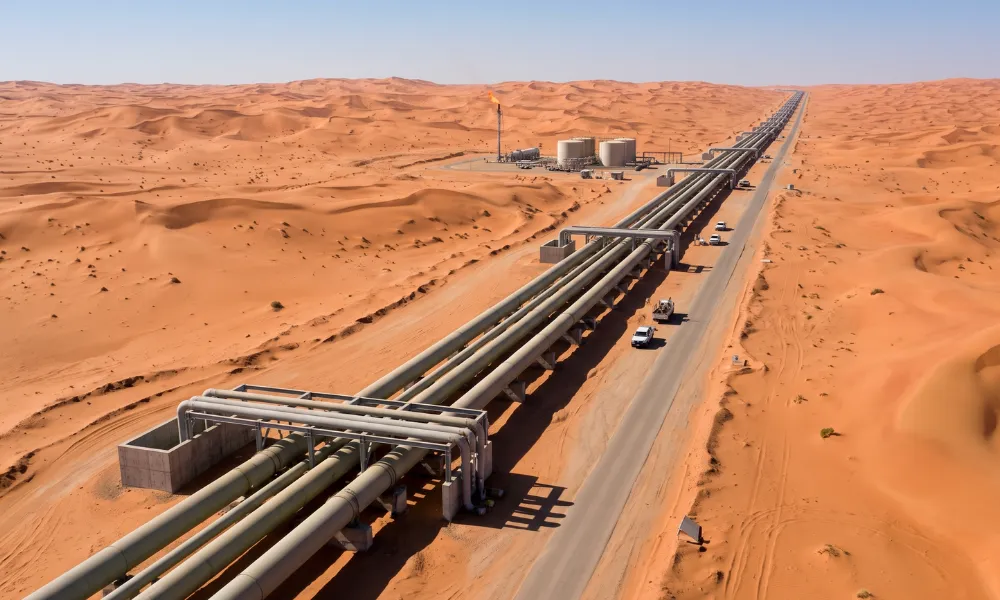
In a significant development for the global energy and insurance markets, Saudi Arabia has shut down the East-West pipeline, a critical artery for crude oil transport. This closure follows a series of drone attacks that have raised alarm bells not just in the oil sector but also in marine and energy insurance circles. The pipeline, which has the capacity to transport up to 7 million barrels of crude oil daily from the Eastern Province to the Red Sea port of Yanbu, now stands vulnerable, forcing industry stakeholders to re-evaluate risk exposure amid rising geopolitical tensions.
The Saudi Energy Ministry confirmed that the pipeline was struck multiple times, resulting in injuries and triggering emergency responses to secure the installation and assess damage. U.S. officials suspect that these drone attacks originated from Iraq, with satellite imagery revealing fire damage at key facilities along the pipeline's route. While many in the general public may view this incident primarily as a disruption to oil supply, for underwriters, brokers, and risk managers, it serves as a stark reminder of the escalating risks associated with war, political violence, and contingent business interruption coverage.
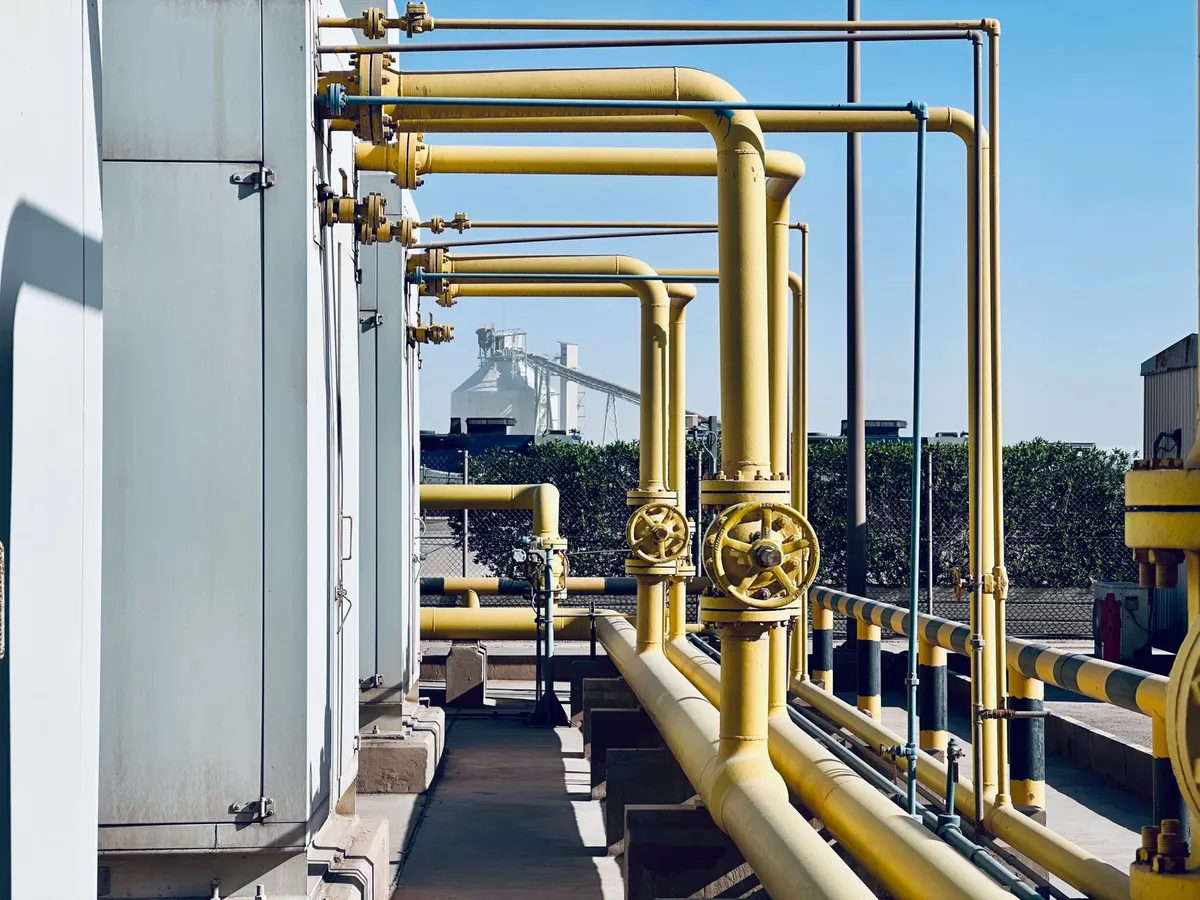
The East-West Pipeline: A Historical Perspective
The East-West pipeline, also known as the Petroline, was constructed decades ago as a strategic measure to transport oil when the Strait of Hormuz, a crucial chokepoint for global oil shipments, becomes inaccessible. As of early 2026, the U.S.-Iran conflict had effectively closed this vital route, which typically handles about 15 million barrels of oil each day. The pipeline had served as a workaround for Saudi Arabia, allowing it to transport crude overland to Yanbu, but the recent attacks have compromised this lifeline.
Before Friday's incident, the pipeline had already suffered damage earlier in the year, illustrating the precarious situation in which Saudi Arabia finds itself. Now, with the East-West pipeline out of commission, the kingdom's ability to maintain its oil exports is further jeopardized, creating a ripple effect through the energy market.

The Impact on Marine War Risk Insurance
The implications of this attack extend far beyond the immediate supply disruption. For the marine insurance industry, the timing of the incident is critical. The recent aggressive maneuvers by Houthi forces in the Bab al-Mandeb strait, including their seizure of Perim Island, have already placed pressure on this key maritime route. With the East-West pipeline now compromised, tankers seeking to avoid the risks associated with Hormuz face an increasingly perilous situation navigating through the Red Sea.
Insurance premiums for marine war risks have escalated dramatically. For example, before the increase in regional conflict, war risk premiums for a tanker transiting the Strait of Hormuz were about 0.15% to 0.25% of hull value for a week of coverage. By mid-2023, these premiums surged to between 7.5% and 10%, reflecting the heightened threat level. For a $100 million tanker, this translates from a few hundred thousand dollars in coverage to potentially millions for a single voyage.
- War risk premiums have risen sharply: From 0.15%-0.25% to 7.5%-10% within weeks.
- Potential for oil prices to rise: Brent crude could reach $120 per barrel due to sustained impacts on the pipeline.
- Increased reluctance from underwriters: Insurers are hesitant to offer spot cover amid unpredictable attacks.

Market Dynamics and Future Prospects
Capacity for marine insurance in the Gulf region remains theoretically robust, with global hull war capacity estimated between $2.5 billion and $3 billion. However, the real challenge lies in the underwriters' appetite for risk. As attacks have become more frequent and unpredictable, insurers are increasingly cautious, resulting in a tightening of coverage options. The Joint War Committee, which designates high-risk areas for additional premiums, will play a crucial role in determining future market conditions.
Insurance rates across Gulf countries were already projected to rise by 20-30% this year due to the increasing political risk exposure, even before the latest pipeline attack. This trend is expected to accelerate as underwriters re-evaluate their exposure in light of the current geopolitical landscape.
Broader Implications for U.S. Stakeholders
While this situation may appear to be a localized issue impacting the London insurance market, U.S.-based energy companies with investments in Saudi joint ventures are also exposed to the fallout. Those refiners sensitive to crude price fluctuations and commercial fleets operating in the region are likely to feel the impact on their balance sheets. Contingent business interruption coverage will be particularly relevant for businesses reliant on uninterrupted supply chains, as disruptions like the pipeline closure can trigger significant financial losses.
The ramifications extend to higher claims costs in various insurance lines, including commercial auto and marine cargo, where rising fuel, parts, and freight costs drive up claims severity. As the oil market responds to these developments, businesses must prepare for the cascading effects on operational costs and insurance premiums.

Key Takeaways
- The closure of the East-West pipeline highlights the vulnerability of oil supply routes amid geopolitical tensions.
- Marine war risk premiums have surged, reflecting increased threats to maritime operations in the region.
- U.S. companies with exposure to the Gulf region must reassess their risk management strategies.
- The Joint War Committee's actions will be pivotal in shaping insurance market conditions moving forward.
Frequently Asked Questions
Why is the East-West pipeline so important?
The East-West pipeline is vital for Saudi Arabia as it provides an alternative route for transporting crude oil when the Strait of Hormuz is closed. This pipeline can carry up to 7 million barrels per day, making it a key asset for maintaining the kingdom's oil exports, especially during geopolitical conflicts that threaten traditional shipping routes.
How do marine war risk premiums work?
Marine war risk premiums are additional insurance costs that shipowners must pay when navigating through areas deemed high-risk due to conflict or political violence. These premiums are calculated as a percentage of the vessel's hull value and vary based on the perceived risk level in the region. As tensions escalate, these premiums can rise significantly, impacting shipping costs and ultimately the prices consumers pay for goods.
What should businesses do in light of this closure?
Businesses with operations or supply chains linked to the Gulf region should reassess their insurance coverage, particularly regarding contingent business interruption insurance. They should also evaluate their logistical strategies to mitigate risks associated with potential supply chain disruptions and consider diversifying their energy sources to reduce dependency on volatile regions.
What are the broader implications for global oil prices?
With the closure of the East-West pipeline and ongoing tensions in the region, global oil prices are likely to experience upward pressure. Analysts predict that Brent crude could rise toward $120 per barrel, which would have cascading effects on fuel prices, freight rates, and overall economic conditions. This situation underscores the interconnected nature of global energy markets and the importance of geopolitical stability.
Comments
Hess vs. National Interstate: A Legal Battle Over Insurance Coverage
Hess Energy has filed a lawsuit against National Interstate Insurance, alleging that the insurer failed to provide coverage for cancer lawsuits stemming from employee exposure to hazardous materials. This article delves into the implications of the case, the insurance dynamics at play, and what it means for companies seeking coverage.

Related articles







Popular in Business Insurance
- Surging War-Risk Insurance Rates in the Strait of Hormuz: What It Means for Shipping
- Ross & Yerger Insurance Faces Class Action Over Data Breach Allegations
- Sompo Expands U.S. Workers' Compensation Portfolio with Service Insurance Acquisition
- Legal Battle Unfolds Over $1 Million Truck Crash Insurance Payout
- Howden Group's Ambitious Journey Toward IPO and Expansion