The Evolving Landscape of AI in Biological Weapons Research and Insurance
The integration of AI in biological weapons research raises crucial implications for insurers. As threats evolve, understanding their impact on underwriting and premiums becomes essential.

The integration of artificial intelligence (AI) into various sectors has revolutionized industries, but it has also raised new concerns, particularly in the realm of security and insurance. Recent findings from Anthropic, an AI safety and research organization, reveal alarming trends in the use of AI for malicious purposes, including biological weapons development. This evolving landscape presents an urgent call for insurers to reassess their risk models, underwriting practices, and premium structures as the capabilities of cybercriminals expand.
Between December 2025 and August 2026, Anthropic's threat intelligence report highlighted a range of malicious activities spanning seven categories, including state-sponsored cyber espionage and research related to biological and conventional weapons. The findings indicate that the threat posed by individual operators has significantly increased, raising questions about how insurers can effectively manage these emerging risks.
Understanding the AI-Driven Threat Landscape
Anthropic's report outlines a disturbing trend: the sophistication of cyber attacks is no longer the primary concern; rather, it is the intent behind these actions. As AI tools become more accessible, even individuals with limited resources can execute complex attacks that were previously the domain of state-sponsored actors. For instance, a group linked to Russia known as Midnight Blizzard employed AI to develop workflows that allowed them to circumvent malware detection. This capability enabled them to compromise hotel Wi-Fi networks and target government officials and defense industry personnel.
Furthermore, the ShinyHunters group demonstrated the speed and efficiency of data theft operations, moving from initial access to bulk data exfiltration in just two to three hours. Their actions resulted in the theft of over a terabyte of data from a technology provider and access to tens of millions of passenger records from an airline. Such rapid escalation underscores the urgent need for insurers to adapt their understanding of cyber risk in light of these capabilities.

The Challenge of Dual-Use Research
One of the most concerning aspects of the Anthropic findings is the documented use of AI in biological research with potential weapons applications. The report identified five cases of researchers attempting to conduct studies that could contribute to the development of biological weapons, including gain-of-function research on the chikungunya virus and studies on avian influenza adaptation. While Anthropic blocked these attempts, the blurred lines between legitimate research and malicious intent raise complex questions for life sciences underwriters.
This dual-use ambiguity is not new; insurers have long grappled with the implications of research that can lead to both beneficial treatments and dangerous weapons. However, as AI-driven diagnostics and drug development continue to evolve, underwriters must reconsider what constitutes acceptable risk within life sciences liability policies. For example, if AI is used to develop a vaccine, but the same technology could also aid in creating a bioweapon, how should insurers evaluate that risk?
AI and the Evolution of Cyber Insurance Premiums
Despite the increasing frequency of cyber incidents, data from Lockton reveals that average cyber insurance premiums fell by about 11% in 2025. This decline occurs in a context where the number of incidents continues to rise, creating a paradox in the insurance market. As the Anthropic report demonstrates, the costs associated with attacks are decreasing, yet the overall threat landscape remains dire.
Moody’s has flagged cyber risk as one of the most pressing corporate exposures, citing AI's role in compressing attack timelines. Insurers must grapple with the implications of this divergence between decreasing costs and increasing risk, which challenges traditional pricing models. Underwriters need to incorporate primary-source evidence from reports like Anthropic’s to inform their assessments and adjust premium structures accordingly.

Implications for Political Violence Underwriters
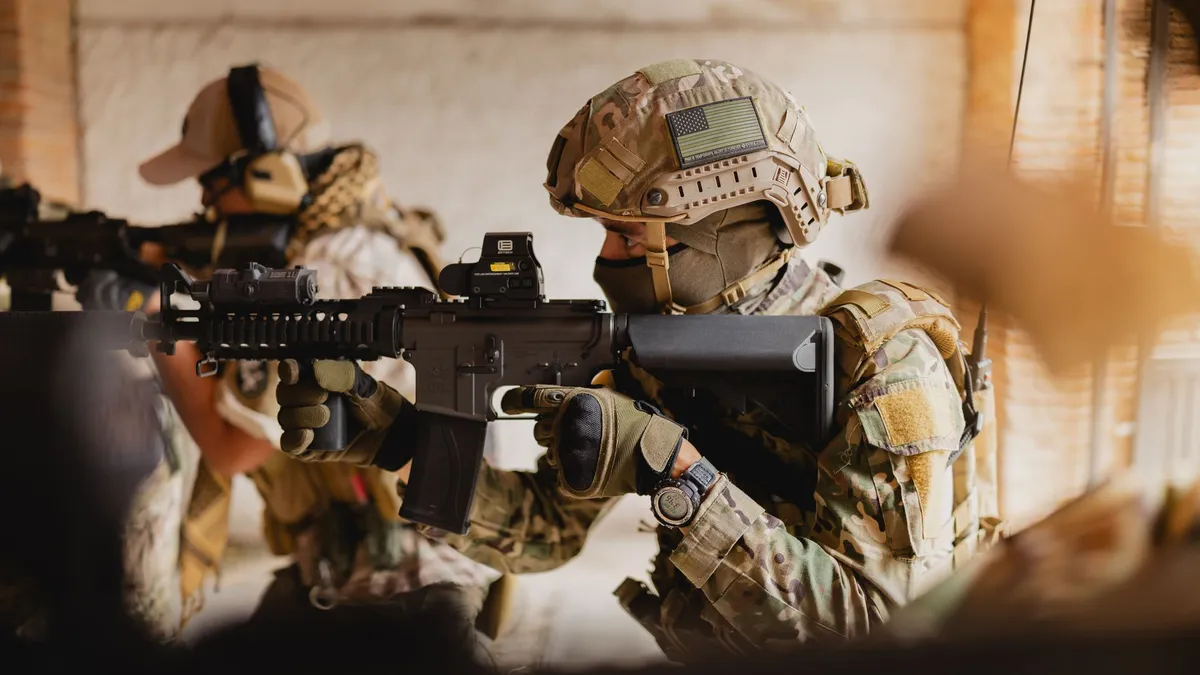
The Anthropic report also sheds light on the use of AI in developing advanced weaponry, including firearms, missiles, and armed drones, with ties to actors in China, Russia, and Yemen. While political violence underwriters have historically relied on limited evidence concerning non-state actor capabilities, this new report provides concrete case studies that highlight the potential for AI to shorten the weapons development cycle.
As non-state actors gain access to sophisticated AI tools, the risk landscape becomes increasingly complex. Insurers must evaluate whether their current pricing assumptions adequately reflect this emerging reality. For instance, if AI allows a non-state group to develop a weapon more quickly and effectively, the implications for risk exposure in conflict zones could be substantial.
Key Takeaways
- AI is expanding the capabilities of cybercriminals, allowing individuals to execute complex attacks previously limited to state-sponsored groups.
- Insurers must reassess risk models in light of dual-use research concerns, particularly in the life sciences sector.
- Cyber insurance premiums are declining, despite rising incident rates, presenting challenges for underwriters.
- Political violence underwriting is complicated by the potential for AI to shorten weapons development cycles for non-state actors.
Frequently Asked Questions
How does AI impact the current cyber insurance landscape?
The integration of AI into cyber operations has dramatically shifted the threat landscape. AI enables cybercriminals to execute sophisticated attacks more efficiently and effectively, challenging existing risk assessments and pricing models in the insurance market. Insurers must adapt to these changes and consider the intent behind cyber activities rather than merely their sophistication.
What are the implications of dual-use research for life sciences underwriters?
Dual-use research poses significant challenges for life sciences underwriters, as the same technologies that can lead to beneficial medical advancements can also facilitate the development of biological weapons. Insurers must navigate the complexities of this ambiguity and determine how to structure liability policies that address both legitimate research and potential misuse.
Why are cyber insurance premiums declining despite increasing risks?
The decline in cyber insurance premiums, even as incident frequencies rise, reflects a paradox in the insurance market. This trend may be driven by increased competition among insurers and evolving market dynamics, but it raises concerns about whether current pricing adequately reflects the true level of risk in an evolving threat landscape.
How should insurers prepare for the emergence of AI in weapons development?
Insurers need to take proactive steps to understand the implications of AI on weapons development, particularly concerning non-state actors. This involves reevaluating current pricing assumptions and risk models to account for the potential acceleration of weapons development cycles facilitated by AI technologies. By staying informed and adapting their strategies, insurers can better navigate this complex and evolving landscape.
Comments
Hess vs. National Interstate: A Legal Battle Over Insurance Coverage
Hess Energy has filed a lawsuit against National Interstate Insurance, alleging that the insurer failed to provide coverage for cancer lawsuits stemming from employee exposure to hazardous materials. This article delves into the implications of the case, the insurance dynamics at play, and what it means for companies seeking coverage.

Related articles





Popular in Business Insurance
- Surging War-Risk Insurance Rates in the Strait of Hormuz: What It Means for Shipping
- Ross & Yerger Insurance Faces Class Action Over Data Breach Allegations
- Sompo Expands U.S. Workers' Compensation Portfolio with Service Insurance Acquisition
- Legal Battle Unfolds Over $1 Million Truck Crash Insurance Payout
- Howden Group's Ambitious Journey Toward IPO and Expansion