California's Landmark Bill to Ban AI Emotion Recognition in the Workplace
California's Assembly Bill 1883 seeks to prohibit AI-driven emotional recognition tools in workplaces. This legislation aims to protect employee privacy amidst the growing use of AI technologies by employers.
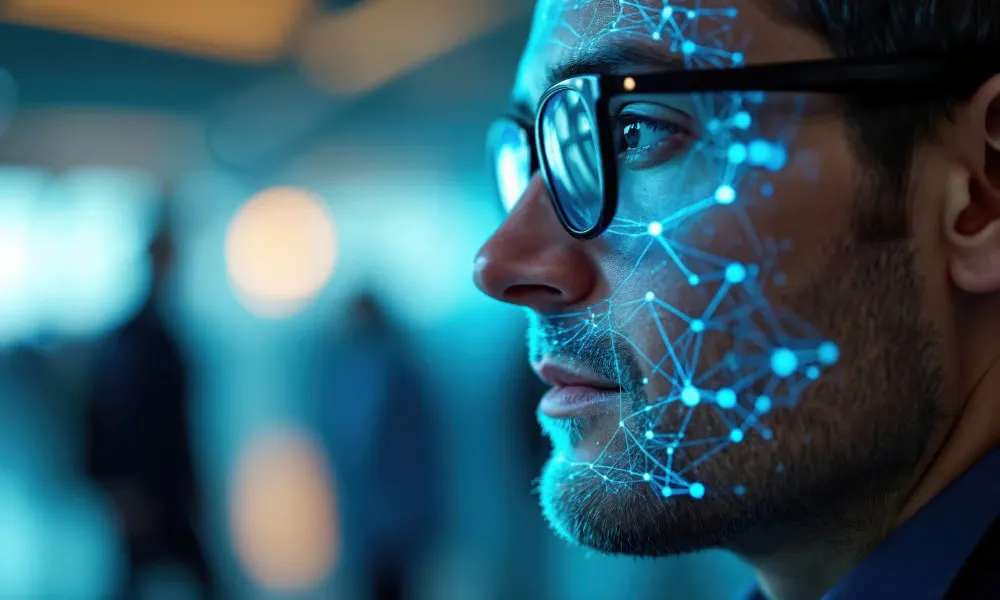
In a bold move to safeguard employee privacy, California lawmakers have passed Assembly Bill 1883, which targets the increasingly prevalent use of artificial intelligence (AI) in workplace monitoring. The Assembly approved the measure with a decisive 56-8 vote on August 30, and it now awaits action from Governor Gavin Newsom, who has until September 30 to sign it into law. If enacted, this legislation would amend the California Labor Code to prohibit employers from utilizing AI-driven tools that assess workers' emotional states or gather neural data, marking a significant step in the ongoing dialogue about workplace surveillance and employee rights.
As AI technologies become more sophisticated, employers are increasingly tempted to deploy tools that analyze employee behavior, emotions, and productivity through various surveillance methods. This bill comes at a crucial time when concerns about privacy and ethical use of technology are at the forefront of labor discussions. The implications of AB 1883 extend beyond California, as it may influence similar legislative efforts in other states and reshape the landscape of workplace monitoring nationwide.

The Scope of AB 1883: Understanding the Provisions
AB 1883 introduces a narrow yet impactful definition of what constitutes prohibited workplace surveillance tools. According to the bill, such tools are defined as any system, application, instrument, or device that collects employee data, activities, communications, actions, biometrics, or behaviors by means other than direct human observation. This broad definition encompasses a range of technologies:
- Video and audio surveillance systems
- Continuous time-tracking tools
- Geolocation tracking systems
- Electromagnetic tracking devices
- Photo-optical systems
Employers will be explicitly barred from using any tools that can read or predict an employee's emotional state or collect neural data, defined as information derived from measuring the activity of an employee's central or peripheral nervous system. This prohibition aims to prevent employers from infringing on employees' emotional privacy and autonomy in the workplace.

The Growing Demand for AI Monitoring Tools
As noted by Danielle Ochs, a shareholder at Ogletree Deakins in San Francisco, the demand for AI-driven monitoring tools has surged in recent years. Employers are constantly introduced to new technologies that promise to enhance productivity and operational efficiency. However, the rapid adoption of these tools raises critical questions about employee privacy and the ethical implications of monitoring emotional states. Ochs emphasizes that human resources leaders must remain vigilant in navigating the evolving legal landscape surrounding AI technologies.
Prior iterations of this legislation faced opposition from employers and industry groups concerned that broader language could inadvertently affect facial recognition technologies, standard security cameras, and AI-powered safety systems. The current version of AB 1883 was refined to address these concerns while still targeting the core issues of employee privacy and emotional recognition.
Enforcement and Penalties Under AB 1883
If signed into law, the California Labor Commissioner and public prosecutors will be responsible for enforcing AB 1883. Employers found in violation of the legislation could face civil penalties of up to $500 per infringement. Furthermore, the bill's language may allow employees to initiate representative claims under California's Private Attorneys General Act (PAGA), enabling eligible employees to pursue penalty claims on behalf of the state. This could lead to increased scrutiny of companies that continue to employ AI tools that infringe upon employees' emotional privacy.
Importantly, the bill does not entirely eliminate employers' ability to use monitoring tools for legitimate safety and operational purposes. Employers can continue utilizing such tools as long as they do not engage in the prohibited practices outlined in AB 1883. This creates a delicate balance between ensuring workplace safety and respecting employee privacy.
California's Regulatory Landscape and Broader Implications
The introduction of AB 1883 is part of a larger regulatory shift that California employers have been navigating. In the same year, Governor Newsom signed 17 other AI-related bills, indicating a growing emphasis on ethical AI deployment and workplace safety. Notably, Newsom vetoed a broader AI safety bill in September 2024, which failed to distinguish between AI used in high-risk environments and routine functions.
AB 1883's narrowly defined prohibitions align with Newsom's approach, reflecting a cautious yet proactive stance on the integration of AI in the workplace. As California sets the stage for comprehensive AI regulation, employers with multi-state operations should closely monitor developments in other states, as similar legislation may arise in response to employee concerns about privacy and surveillance.

Employee Concerns and the Future of AI in the Workplace
Employee privacy regarding AI-powered tools has emerged as a significant issue. A 2026 Prudential Financial study involving 3,096 U.S. employees found that privacy and security concerns were the top issues related to AI in the workplace, surpassing worries about accuracy and reliability. As organizations increasingly rely on AI technologies for workforce analytics and productivity management, employees are becoming more aware of the data collected by these systems.
This growing awareness has prompted discussions between benefits advisers and employer clients on responsible AI adoption. Employers must balance the benefits of AI technologies with the ethical considerations of employee privacy. As the conversation around AI continues to evolve, it is essential for organizations to prioritize transparency, accountability, and the protection of employee rights.
Key Takeaways
- California's AB 1883 prohibits AI-driven tools that assess employee emotions or collect neural data.
- The legislation reflects growing concerns over employee privacy and workplace surveillance.
- Employers can still use monitoring tools for safety and operational purposes within specified limits.
- Penalties for violations can reach up to $500 per infraction, with potential for employee-initiated claims.
- California's regulatory approach may influence similar legislative efforts in other states.
Frequently Asked Questions
What is AB 1883, and why is it important?
AB 1883 is a California bill aimed at prohibiting employers from using AI-driven tools to read employees' emotional states or collect neural data. This legislation is significant as it addresses growing concerns about employee privacy and the ethical implications of workplace surveillance, especially as AI technologies become more prevalent in various industries.
What types of technologies are banned under AB 1883?
The bill specifically prohibits tools that assess or predict employees' emotional states and those that collect neural data. This includes various surveillance technologies such as video and audio monitoring systems, continuous time-tracking devices, geolocation tracking, and photo-optical systems that gather employee data beyond direct human observation.
What penalties do employers face for violating AB 1883?
Employers found in violation of AB 1883 could face civil penalties of up to $500 for each infraction. Additionally, the bill's language may allow employees to pursue claims on behalf of the state under California's Private Attorneys General Act (PAGA), adding another layer of accountability for employers who misuse AI monitoring tools.
How does AB 1883 fit into the broader context of AI regulation?
AB 1883 is part of a larger trend in California toward regulating AI technologies in the workplace. Governor Newsom's recent signing of multiple AI-related bills and the veto of a broader AI safety bill indicate a cautious approach to integrating AI in various settings. The bill's specific focus on emotional recognition reflects a targeted effort to protect employee privacy while allowing for necessary monitoring tools to remain in use.
Comments
Hess vs. National Interstate: A Legal Battle Over Insurance Coverage
Hess Energy has filed a lawsuit against National Interstate Insurance, alleging that the insurer failed to provide coverage for cancer lawsuits stemming from employee exposure to hazardous materials. This article delves into the implications of the case, the insurance dynamics at play, and what it means for companies seeking coverage.

Related articles






Popular in Business Insurance
- Surging War-Risk Insurance Rates in the Strait of Hormuz: What It Means for Shipping
- Ross & Yerger Insurance Faces Class Action Over Data Breach Allegations
- Sompo Expands U.S. Workers' Compensation Portfolio with Service Insurance Acquisition
- Legal Battle Unfolds Over $1 Million Truck Crash Insurance Payout
- Howden Group's Ambitious Journey Toward IPO and Expansion