InterDigital vs. Disney: A $118 Million Patent Battle Over Streaming Technology
InterDigital is pursuing $118 million from Disney over alleged patent infringement related to HDR technology used in Disney+. This escalating dispute has significant implications for the streaming industry and patent licensing.

The ongoing legal battle between InterDigital Inc., a prominent technology and patent licensing company, and the entertainment giant Walt Disney Co. has taken a significant turn. InterDigital is demanding $118 million from Disney, claiming that the media conglomerate has unlawfully utilized its patented high-dynamic-range (HDR) video technology within its Disney+ streaming service. This lawsuit, initiated in the Munich Regional Court, highlights a broader conflict over patent rights that could reshape the landscape for streaming services globally.
As the streaming industry continues to expand, the financial stakes in this legal dispute are skyrocketing. The claim not only seeks financial compensation but also demands a long-term licensing agreement for the disputed technology. Given that HDR technology enhances video quality by delivering a broader spectrum of brightness and color, it is essential for companies like Disney to integrate it into their offerings to maintain competitive advantage. However, the implications of this case extend beyond just financial reparations; they could set crucial precedents for how intellectual property rights are enforced in the digital age.
Understanding the Core of the Dispute
The heart of the dispute lies in InterDigital's assertion that Disney has been using its HDR technology without proper licensing since the launch of Disney+ in Germany in 2020. This technology, which plays a pivotal role in improving the viewing experience by allowing for greater detail in both dark and light scenes, is not just a luxury for streaming services; it has become a necessity to meet rising consumer expectations.
The Legal Landscape
The Munich Regional Court's ruling in November 2025, which found Disney in violation of InterDigital's patent, has further complicated the situation. The court not only ruled in favor of InterDigital but also granted an injunction preventing Disney from utilizing the infringing technology. This ruling has already resulted in Disney halting the availability of Dolby Vision content, a feature that was part of its Premium subscription offering, which costs subscribers an additional €5 per month.
This injunction highlights the precarious nature of patent rights in the tech industry, where the rapid pace of innovation often outstrips legal frameworks. Disney's response to the ruling indicates a potential strategy of compliance by limiting features rather than engaging in prolonged litigation, which could be costly and damaging to its brand.

The Broader Implications for Streaming Services
This case is emblematic of a larger trend in the tech and entertainment sectors: the increasing frequency of patent disputes as companies vie for dominance in a highly competitive market. InterDigital's legal actions against Disney are part of a wider strategy, as they have secured injunctions against Disney in multiple jurisdictions, including Brazil and the European Union. Such enforcement actions can have significant ramifications for how companies manage their intellectual property and their relationships with technology licensors.
Potential Outcomes
As the litigation unfolds, several outcomes are possible:
- Settlement: Both parties may reach a negotiated settlement that includes a licensing agreement, potentially averting further legal battles.
- Appeal: Disney could choose to appeal the court's ruling, prolonging the dispute and adding uncertainty to its operations in affected markets.
- Operational Changes: Disney may continue to modify its service offerings to comply with the injunction, potentially impacting user experience.
- Precedent Setting: The case may set important legal precedents regarding patent enforcement in the tech industry, especially as it relates to streaming services.
InterDigital's Chief Legal Officer, Josh Schmidt, emphasized that the damages claim reflects the substantial value derived from their HDR technology. However, it remains uncertain whether any negotiated settlement would meet the expectations set by InterDigital's initial demand.

The Global Scale of the Dispute
The impact of this legal battle extends beyond the confines of the Munich courtroom. InterDigital's actions are part of a coordinated effort to assert its patent rights across multiple international jurisdictions. The company is actively pursuing litigation in both Europe and the United States, including California and Delaware, which showcases the global nature of patent enforcement in the digital age.
This multifaceted approach raises questions about how companies like Disney will navigate the complex web of international patent laws. As digital content transcends borders, the implications of patent rulings can ripple across various markets, affecting not only the companies involved but also consumers who rely on these services for entertainment.
What This Means for Consumers
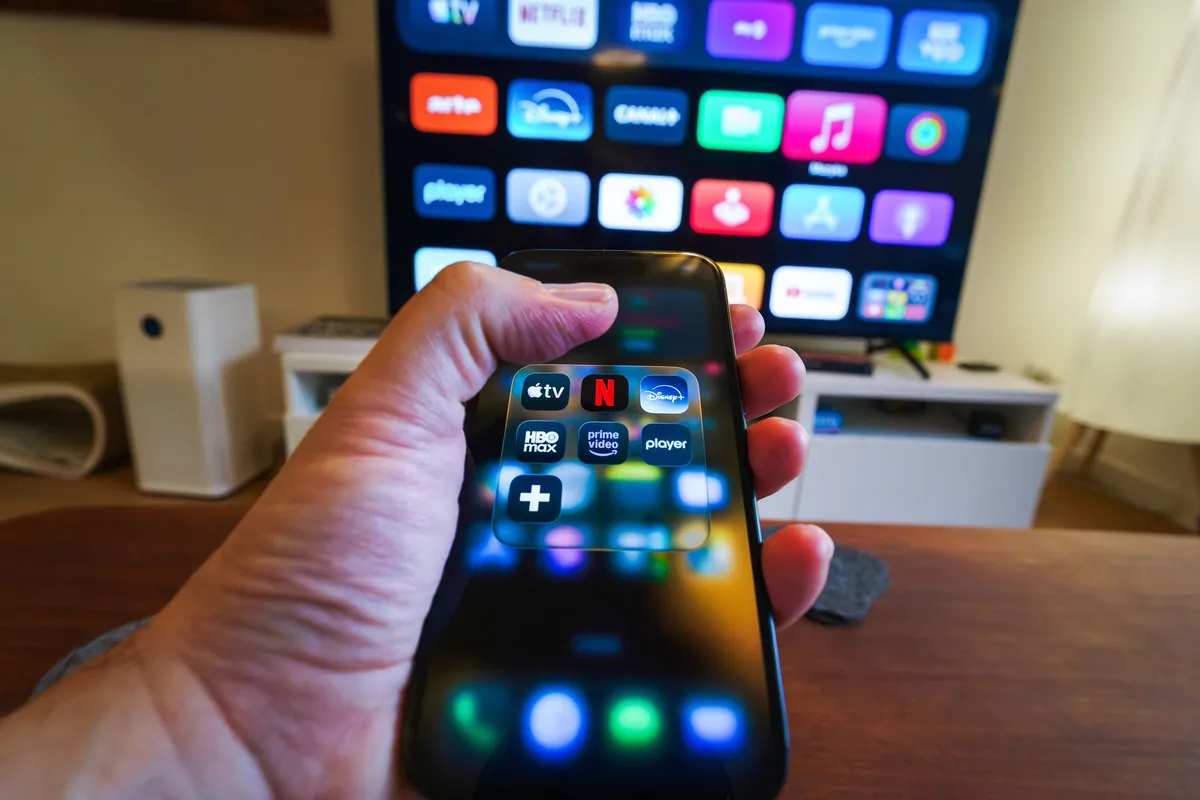
For consumers, the ramifications of the InterDigital vs. Disney battle could manifest in several ways. If Disney is forced to comply with the injunction, viewers in affected regions might experience a reduction in the quality of their streaming services or a limited selection of features. The removal of HDR capabilities could lessen the visual experience for subscribers who value high-quality streaming.
Moreover, if the litigation leads to increased licensing fees, those costs could eventually be passed down to consumers through higher subscription prices. As the market for streaming services becomes more competitive, companies are often reluctant to raise prices, but legal costs could force their hand. Therefore, consumers should stay informed about the developments in this case, as they could significantly influence the future landscape of streaming services.
Key Takeaways
- InterDigital seeks $118 million from Disney over HDR patent infringement.
- The Munich Regional Court ruled in favor of InterDigital, granting an injunction against Disney.
- The case reflects broader trends in patent disputes within the tech and entertainment industries.
- Potential outcomes include settlement, appeal, or operational changes by Disney.
- The dispute may impact consumers through changes in service quality and subscription pricing.
Frequently Asked Questions
What is HDR technology, and why is it important for streaming services?
High-dynamic-range (HDR) technology significantly enhances the visual quality of video content by providing a wider range of brightness and color. This technology is crucial for streaming services as it improves the viewing experience, allowing users to see more detail in dark and bright scenes. In a competitive streaming market, HDR can be a key differentiator that attracts subscribers seeking high-quality content.
How does patent infringement impact companies like Disney?
Patent infringement can lead to significant financial liabilities, including damages and legal fees. For companies like Disney, losing a patent dispute can result in injunctions that restrict the use of certain technologies, potentially affecting their product offerings. Additionally, it can hinder future innovation if companies are forced to alter their technologies or pay licensing fees to use patented features.
What are the potential consequences for consumers if Disney loses this case?
If Disney loses the patent case, consumers may experience a decrease in the quality of streaming services, such as the removal of HDR capabilities. This could make the viewing experience less enjoyable. Additionally, the financial repercussions of the lawsuit could lead to higher subscription costs as Disney may pass on legal expenses to consumers, impacting the overall affordability of streaming services.
Why are patent disputes becoming more common in the tech industry?
As technology evolves rapidly, companies are increasingly relying on patents to protect their innovations. With the fast-paced nature of the tech industry, companies often find themselves in conflicts over intellectual property rights. The competitive environment drives firms to assert their patent rights to maintain market position, leading to a rise in litigation as companies seek to safeguard their technological advantages.
Comments
Hess vs. National Interstate: A Legal Battle Over Insurance Coverage
Hess Energy has filed a lawsuit against National Interstate Insurance, alleging that the insurer failed to provide coverage for cancer lawsuits stemming from employee exposure to hazardous materials. This article delves into the implications of the case, the insurance dynamics at play, and what it means for companies seeking coverage.

Related articles






Popular in Business Insurance
- Surging War-Risk Insurance Rates in the Strait of Hormuz: What It Means for Shipping
- Ross & Yerger Insurance Faces Class Action Over Data Breach Allegations
- Sompo Expands U.S. Workers' Compensation Portfolio with Service Insurance Acquisition
- Legal Battle Unfolds Over $1 Million Truck Crash Insurance Payout
- Howden Group's Ambitious Journey Toward IPO and Expansion