California's Workers' Comp Rate Shift: A Closer Look at the Restaurant Sector
California's recent increase in workers' compensation rates is significantly impacting the restaurant industry, highlighting the unique challenges it faces. This article delves into the reasons behind the rate change and its implications for restaurateurs.
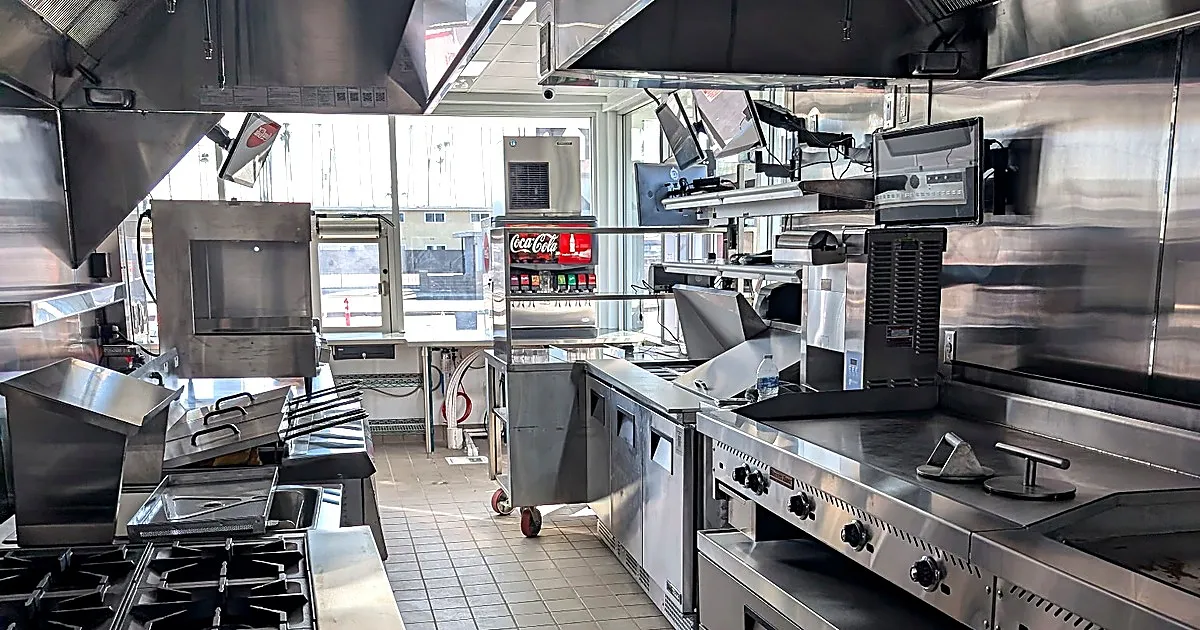
As California’s economy continues to navigate the complexities of post-pandemic recovery, a significant shift in workers' compensation rates has emerged, sending ripples throughout various sectors. Effective September 1, the California Workers' Compensation Insurance Rating Bureau (WCIRB) announced a new advisory pure premium rate of $1.65 per $100 of payroll, marking a 6.6% increase from the previous year. This marks the second consecutive annual rise after a decade of declining benchmarks, with the restaurant sector feeling the brunt of this change more acutely than most other industries in the state.
The implications of this rate increase for California’s vibrant restaurant industry are profound. With labor costs already straining profit margins, the added pressure from rising workers' comp rates could lead to tough decisions for many operators. This article explores the background of the rate increase, the unique challenges faced by restaurants, and what operators can do to mitigate the impact.
Understanding the Rate Increase: A Shift in Trends
The recent surge in workers' compensation rates can be traced back to a concerning trend in cumulative trauma claims, which have risen dramatically over the past decade. According to the WCIRB's 2026 State of the System report, cumulative trauma claims accounted for 26% of all indemnity claims in 2024, a staggering increase from just 13% in 2012. This shift illustrates not only the increasing prevalence of workplace injuries but also highlights the changing landscape of workers' compensation in California.
The Financial Implications
This rise in cumulative trauma claims is significant, as the total pure premium costs linked to these claims have more than doubled since 2020. The WCIRB projects that the combined ratio for the accident year 2025 will hit 127%, marking the highest level in over two decades. This metric, which represents the ratio of claims and expenses to premium dollars earned, indicates that insurers are paying out significantly more in claims than they are collecting in premiums, a trend that can lead to higher costs for policyholders.

Why Restaurants Are Hit Hardest
Restaurants, particularly in California, are uniquely vulnerable to these rising costs due to their high payroll-to-revenue ratio. According to the National Restaurant Association's 2025 Restaurant Operations Data Abstract, labor costs—including benefits—averaged 36.5% of sales at full-service restaurants and 31.7% at limited-service establishments in 2024. This payroll-heavy structure means that even small increases in workers' compensation rates translate to significant financial impact.
The Nature of Restaurant Work
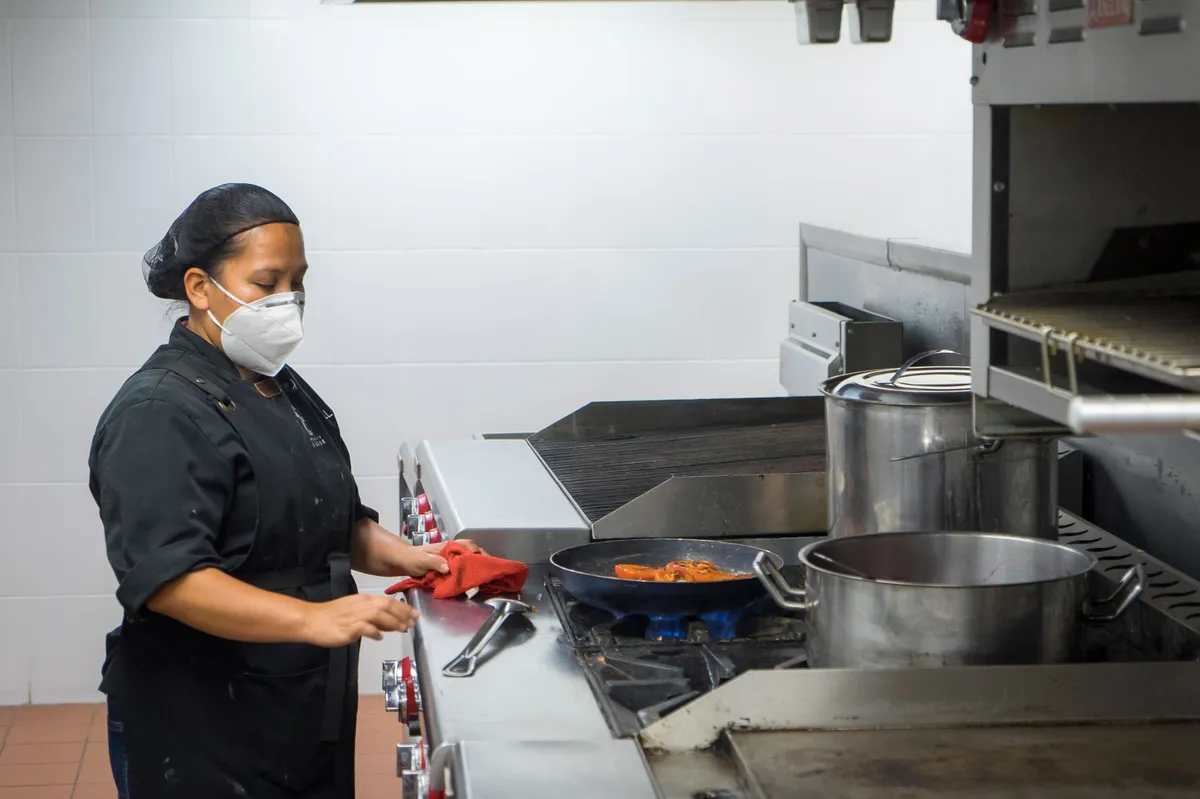
The nature of restaurant work further compounds the risk. The physical demands of kitchen work, long shifts, and repetitive motions contribute to the chronic physical strain that leads to cumulative trauma claims. Unlike a software company, where employees may work sedentary jobs with fewer physical risks, restaurant workers are constantly on their feet, lifting heavy objects, and performing tasks that can result in injuries over time.
Impact of Leasing Structures on Costs
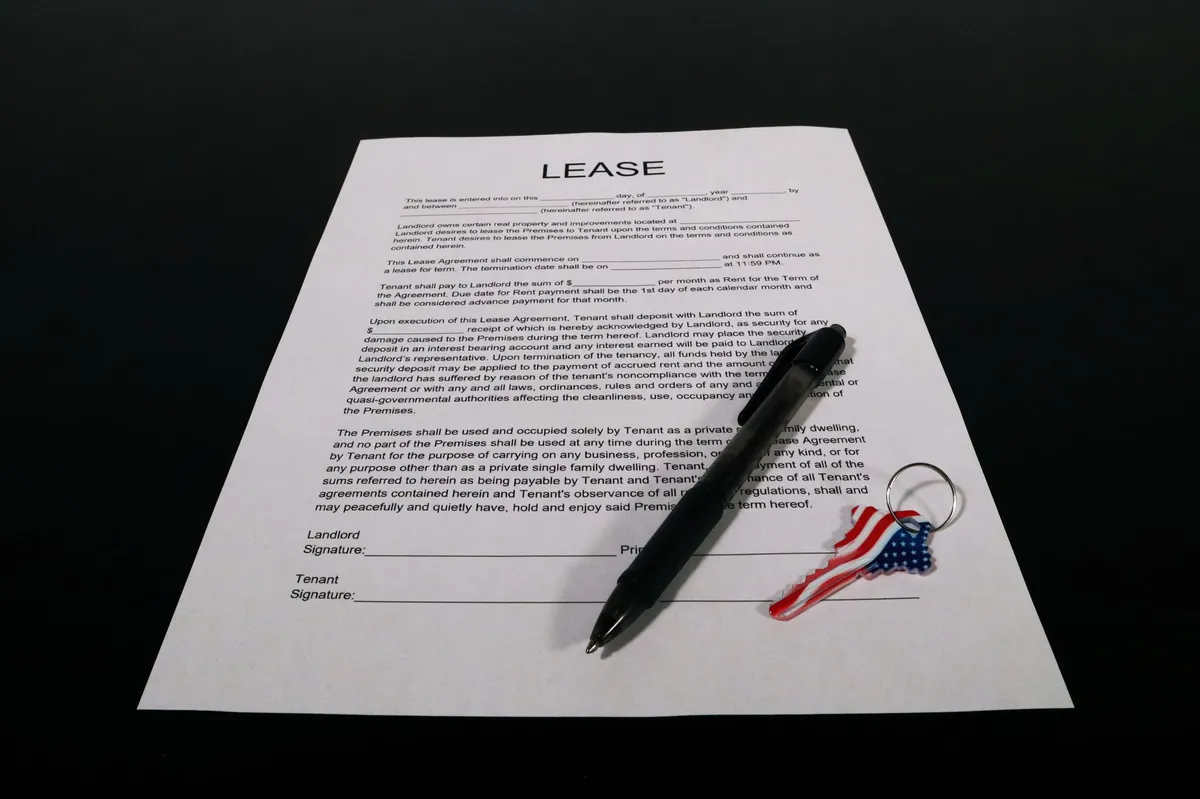
Many restaurant operators in California operate under triple-net (NNN) leases, where they are responsible not only for rent but also for property taxes, insurance, and maintenance costs. In this structure, the building owner's insurance costs can be passed on to the tenant through common area maintenance (CAM) charges. This means that even if a restaurant operator is diligent about managing their own workers’ comp costs, they may still face increased financial pressure from their landlord's insurance premiums.
Hard Market Conditions
The broader commercial property insurance market has shown signs of softening, with average premiums falling by 5.5% in early 2026. However, this decline may not apply uniformly across all sectors. Catastrophe-exposed accounts in California, for instance, remain firmly priced. Operators on long-term leases that were signed during a hard market may find that their costs remain elevated even as market conditions improve, creating a significant financial burden.
Strategies for Restaurant Operators
In light of these challenges, restaurant operators need to take proactive steps to manage their workers' compensation costs effectively. Here are several strategies that can help mitigate the impact:
- Shop around for insurance: With the advisory rate serving as a benchmark rather than a mandate, operators should actively shop the market at renewal. An experienced insurance broker can help identify competitive rates and coverage options tailored to the restaurant sector.
- Enhance workplace safety: Implementing safety training programs and ergonomic practices can help reduce the incidence of injuries and, consequently, workers' comp claims. A focus on safety can lead to fewer cumulative trauma claims and lower premiums over time.
- Review lease agreements: Understanding the terms of CAM charges and negotiating lease agreements can help operators avoid unexpected costs associated with rising insurance premiums.
- Assess claims management: Effective claims management practices can help ensure that any claims filed are handled efficiently and do not lead to inflated costs. Monitoring claims and maintaining open communication with the insurance provider can help manage expenses.
Key Takeaways
- The California workers' compensation advisory pure premium rate has increased by 6.6%, impacting payroll-heavy sectors like restaurants significantly.
- Cumulative trauma claims have risen sharply, contributing to increased costs and a projected combined ratio of 127% for 2025.
- Restaurants operating under NNN leases face additional financial strain from rising landlord insurance premiums.
- Proactive strategies, including shopping for insurance and enhancing workplace safety, can help mitigate rising costs.
Frequently Asked Questions
What are cumulative trauma claims?
Cumulative trauma claims refer to injuries that develop over time due to repetitive motions or prolonged exposure to certain physical conditions. In the context of the restaurant industry, this can include conditions arising from long shifts on one's feet, repetitive lifting, or other physically demanding tasks that lead to chronic pain or injury.
How can restaurant operators control their workers' comp costs?
Restaurant operators can control their workers' comp costs by implementing comprehensive safety programs, actively shopping for insurance quotes at renewal, and reviewing lease agreements for potential hidden costs. Additionally, focusing on claims management can help ensure that any claims filed are handled efficiently and do not lead to inflated future costs.
What should I do if I receive a high renewal quote for my workers' comp policy?
If you receive a high renewal quote, it’s essential to shop around for alternative quotes from other insurance providers. Engaging a knowledgeable insurance broker can help you navigate the options available and identify potential savings. Additionally, reviewing your loss history and making improvements in workplace safety can strengthen your position when negotiating with insurers.
Comments
Hess vs. National Interstate: A Legal Battle Over Insurance Coverage
Hess Energy has filed a lawsuit against National Interstate Insurance, alleging that the insurer failed to provide coverage for cancer lawsuits stemming from employee exposure to hazardous materials. This article delves into the implications of the case, the insurance dynamics at play, and what it means for companies seeking coverage.

Related articles







Popular in Business Insurance
- Surging War-Risk Insurance Rates in the Strait of Hormuz: What It Means for Shipping
- Ross & Yerger Insurance Faces Class Action Over Data Breach Allegations
- Sompo Expands U.S. Workers' Compensation Portfolio with Service Insurance Acquisition
- Legal Battle Unfolds Over $1 Million Truck Crash Insurance Payout
- Howden Group's Ambitious Journey Toward IPO and Expansion