Navigating the Risks of the Data Center Construction Boom
The rapid expansion of hyperscale data centers poses significant challenges for insurers amid increasing natural hazards and supply chain vulnerabilities. This article explores the implications for stakeholders in the insurance industry and beyond.

The global demand for data processing and storage has sparked an unprecedented construction boom in hyperscale data centers, reshaping the landscape of technology and infrastructure. By 2030, an estimated $6.5 trillion is projected to be invested in these facilities, but this rapid expansion is not without its drawbacks. As developers race to meet growing digital demands, they are inadvertently concentrating their exposure to natural disasters, operational failures, and fragile supply chains, which are challenging even the most seasoned insurance providers.
This article delves into the complexities of insuring these colossal projects, weaving together the threads of risk management, construction timelines, and the evolving landscape of natural catastrophes. With an estimated total insurable value for a single hyperscale campus ranging from $20 billion to $30 billion—far exceeding traditional infrastructure projects—stakeholders are navigating uncharted territory.
The Scale of the Data Center Boom
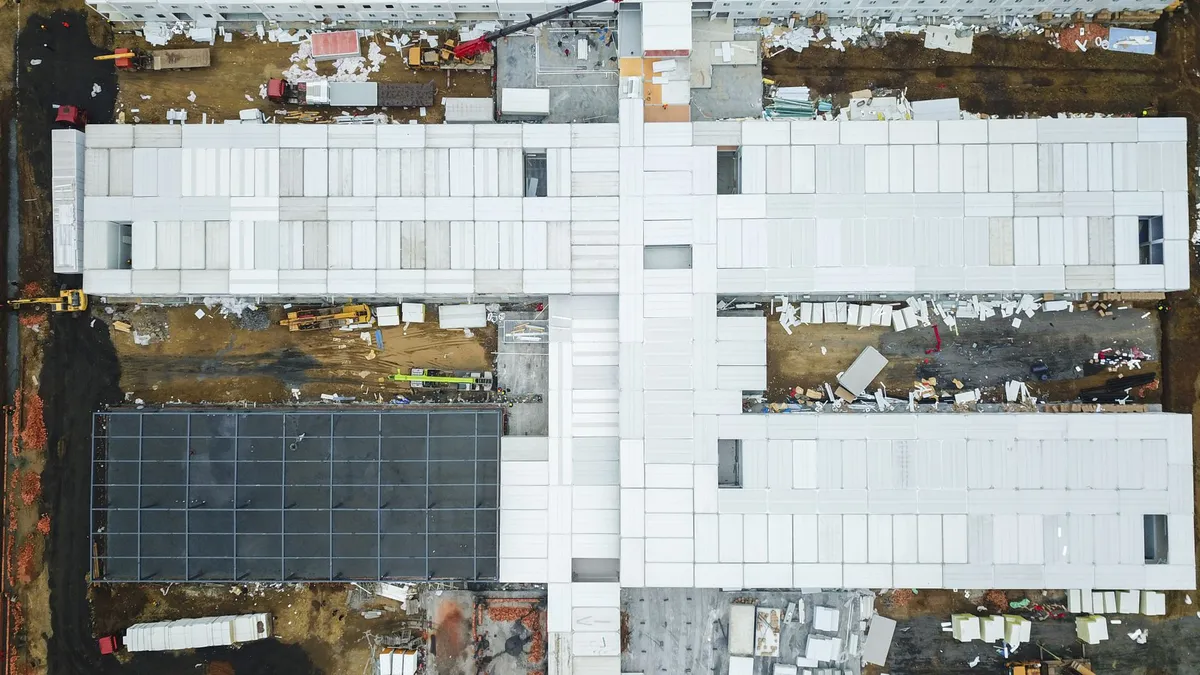
The hyperscale data center market is often touted as one of the largest construction opportunities in modern history. According to Achim Hillgraf, Senior Vice President of Global Growth Strategies at FM, the landscape is primed for explosive growth. Yet, the scale of investment poses significant challenges for insurance underwriters and brokers alike. The sheer volume of capital at risk raises questions about the adequacy of coverage available in a market already under pressure from climate change and natural disaster trends.
To put this into perspective, while major infrastructure projects like bridges and tunnels typically have coverage limits between $5 billion and $10 billion, hyperscale data centers far exceed these figures. For instance, Aon recently expanded its Data Center Lifecycle program to $3.5 billion, while Willis has assembled around $3 billion in construction capacity. However, even these amounts fall short of the increasing insurance needs of large-scale developments.
The Growing Risk Landscape
As the construction of data centers accelerates, the range of risks they face has also evolved. In the United States, the focus has shifted towards mitigating exposure to secondary perils such as convective storms, hail, tornadoes, and wildfires. While coastal areas like Florida are often avoided due to hurricane risks, inland locations are becoming increasingly susceptible to severe weather events.
The impact of these risks is not theoretical; it is a reality that capital providers are grappling with. For example, Moody's insurance analysts reported that in March 2026, major investors like Blackstone opted out of financing data center projects due to insufficient insurance coverage. This gap forces developers to absorb residual risks on their balance sheets, often utilizing captive insurance solutions to manage their exposure.
Geographical Variations in Risk
The geographical location of data centers plays a crucial role in determining risk exposure. In the U.S., a significant portion of new data center capacity is being constructed outside traditional hubs, such as Northern Virginia, and is migrating into areas where secondary perils are more prevalent. Hillgraf noted that in 2026, 64% of data center capacity under construction was in these elevated-risk regions. The increasing frequency and severity of natural disasters are reshaping risk assessments and site selection processes.
In contrast, Europe, which has historically been less prone to catastrophic events compared to North America and Asia, is now witnessing a shift in risk dynamics. Flooding, windstorms, and extreme heat events—often referred to as heat domes—are becoming more common. These conditions exacerbate existing vulnerabilities, particularly for data centers that rely heavily on cooling systems. Cooling failures have emerged as the second most common cause of significant data center outages, trailing only power disruptions.

Supply Chain Vulnerabilities
As the demand for hyperscale data centers continues to surge, stakeholders must also consider the fragility of modern supply chains. While advancements have made supply chains more efficient, they have simultaneously become more vulnerable to various disruptions. From trade restrictions to natural disasters, many factors can impact the timely delivery of critical components, such as cooling units and power transformers.
For data centers, even a minor delay in receiving essential equipment can have catastrophic consequences. For example, a property loss that might sideline a traditional facility for weeks could leave a data center inoperable for months, significantly amplifying financial losses. The need for robust risk management strategies has never been more pressing.
Mitigating Risks Through Strategic Planning
In response to these challenges, companies like FM are taking proactive measures to ensure the resilience of hyperscale data centers. FM has established FM Intellium, a specialist unit focused on insuring data centers worldwide. This initiative emphasizes beginning risk management at the construction stage, starting with meticulous site selection and incorporating physical protections into the design process.
By engaging early with clients, FM aims to help them build facilities that are resilient to the specific risks associated with their locations. This approach includes selecting materials designed to withstand defined wind speeds and hail sizes, ensuring that risks are mitigated before facilities become operational.

Future Implications for Stakeholders
The implications of the current data center construction boom extend beyond the insurance market. As the industry evolves, stakeholders must be aware of the broader megatrends shaping the landscape. Natural hazards are increasing in frequency and intensity, while interconnected supply chains are becoming more susceptible to disruptions. Developers must keep these trends in mind when planning new projects and engaging with insurers.
Moreover, lenders are increasingly demanding full-value coverage for data center projects, which adds another layer of complexity to the insurance landscape. With traditional insurance capacity being tested, companies may need to explore alternative risk transfer solutions, including captives and other creative financing mechanisms.
Key Takeaways
- The hyperscale data center boom represents a $6.5 trillion opportunity by 2030, but brings substantial insurance challenges.
- Insurable values for data centers can reach $30 billion, far exceeding traditional coverage limits.
- Geographical risks are evolving, requiring developers to account for secondary perils and changing climate conditions.
- Supply chain vulnerabilities are critical considerations, with potential delays leading to significant operational disruptions.
- Proactive risk management strategies are essential for ensuring the resilience of data centers against emerging threats.
Frequently Asked Questions
What are hyperscale data centers?
Hyperscale data centers are large-scale facilities that provide significant processing and storage capabilities, typically for cloud computing and large internet services. They are characterized by their massive size, high efficiency, and the ability to quickly scale operations to meet growing demand. These data centers often host thousands of servers and require substantial infrastructure investments.
Why are insurance companies struggling to keep up with the data center boom?
The rapid expansion of hyperscale data centers is unprecedented, leading to a concentration of risk in specific locations. Insurers face challenges in underwriting these large projects due to their high insurable values, increased exposure to natural disasters, and the complexities of insuring specialized equipment and long lead times for replacements. This has resulted in a gap between the coverage available and the actual needs of developers.
What are secondary perils, and why are they important?
Secondary perils refer to natural disasters that are not typically considered the primary threats, such as hailstorms, tornadoes, and wildfires. As data centers increasingly migrate inland, they become more vulnerable to these types of events. Understanding and mitigating risks associated with secondary perils is essential for developers to ensure adequate protection and coverage for their projects.
What strategies can developers employ to mitigate risks?
Developers can implement a range of strategies to mitigate risks, including thorough site selection, integrating physical protections into construction designs, and engaging with insurance providers early in the planning process. By considering potential hazards during the construction phase and ensuring facilities are built to withstand specific risks, developers can enhance the resilience of their data centers and better manage insurance costs.
Comments
GEICO Takes Legal Action Against Queens Pharmacy Over $2 Million Fraud Scheme
GEICO has filed a lawsuit against Central RX Pharmacy Corp. for allegedly exploiting New York's No-Fault auto insurance system to bill over $2 million for fraudulent claims. The insurer's complaint details a scheme involving inflated prices and kickbacks to maximize profits.

Related articles






Popular in Business Insurance
- Surging War-Risk Insurance Rates in the Strait of Hormuz: What It Means for Shipping
- Ross & Yerger Insurance Faces Class Action Over Data Breach Allegations
- Sompo Expands U.S. Workers' Compensation Portfolio with Service Insurance Acquisition
- Legal Battle Unfolds Over $1 Million Truck Crash Insurance Payout
- Howden Group's Ambitious Journey Toward IPO and Expansion