The Rising Tide of Cyber Attacks: Companies Under Siege
As AI-driven cyberattacks surge, companies like Fairlife, LLC face significant operational challenges. This article explores the impact of these threats and the response landscape.
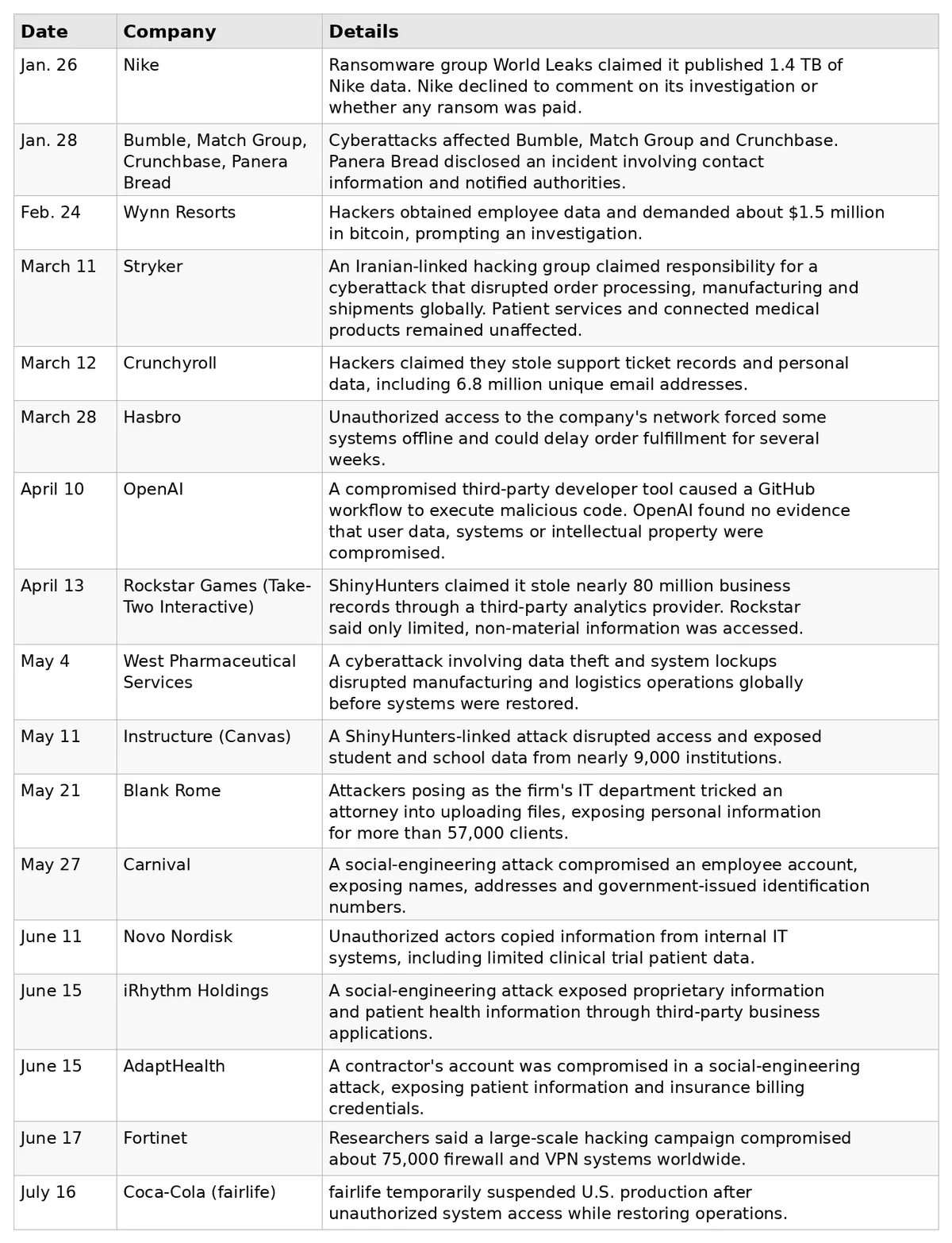
As technology evolves, so do the tactics of cybercriminals. The recent spike in AI-driven cyberattacks has left major companies grappling with data breaches and operational disruptions. Notably, Fairlife, LLC, a dairy company owned by Coca-Cola, was forced to temporarily suspend production in the U.S. after hackers gained unauthorized access to its systems. This incident is just one of many highlighting the pervasive threat of cybercrime in today’s digital landscape.
The urgency for robust cybersecurity measures has never been clearer, as the White House has announced the formation of a coordination group that aims to unite AI developers with critical infrastructure operators. This initiative seeks to enhance information sharing regarding cybersecurity vulnerabilities and streamline responses to these increasingly sophisticated threats. In this feature, we will delve deeper into the implications of these cyber incidents, explore the companies affected, and outline the necessary steps businesses can take to fortify their defenses.
The Cyber Threat Landscape: Understanding the Risks
The rise of AI technology has revolutionized various sectors, but it has also armed cybercriminals with potent tools that enable them to launch more complex and damaging attacks.
The Mechanics of AI-Driven Cyberattacks
AI-driven cyberattacks utilize machine learning algorithms and big data analytics to identify vulnerabilities in systems more efficiently than traditional methods. For example, hackers can automate phishing attempts, crafting highly personalized messages that make it easier to deceive unsuspecting employees. Moreover, AI can help intruders analyze network traffic and identify weak points in a company’s cybersecurity framework.
Consequences of Cyber Incidents
The ramifications of cyberattacks extend beyond immediate financial losses. Companies can face:
- Operational Disruption: As seen with Fairlife, production halts can lead to significant revenue losses.
- Reputation Damage: Customers may lose trust in a brand following a data breach.
- Legal Repercussions: Companies may incur fines, lawsuits, or increased regulatory scrutiny.
According to a report by Cybersecurity Ventures, global cybercrime costs are projected to reach $10.5 trillion annually by 2025, emphasizing the urgency to address these threats.

Recent High-Profile Incidents: A Wake-Up Call
Cyberattacks have become alarmingly common, affecting a wide range of industries. Here are some notable examples of companies that have recently faced cyber incidents:
Fairlife, LLC
On July 13, 2026, Fairlife announced a temporary suspension of its production operations after hackers gained unauthorized access to its systems. This incident underscored the vulnerabilities within even the most established companies.
Other Companies Affected
While Fairlife’s situation is dire, it’s not alone. A growing list of U.S. companies have reported cyber incidents this year:
- Tech giants such as Microsoft and Google have faced data breaches that compromised user information.
- Financial institutions, including major banks, have reported ransomware attacks disrupting their services.
- Healthcare providers have been targeted for sensitive patient data, leading to significant privacy concerns.
The trend indicates that no industry is immune to cyber threats, and as attackers become more sophisticated, companies must remain vigilant.

Government and Industry Response: A Coordinated Effort
In response to the escalating threats, the government is taking proactive measures to enhance cybersecurity across sectors. The newly formed coordination group aims to bring together AI developers and critical infrastructure operators to share insights into vulnerabilities and best practices.
The Role of Legislation
Recent legislative efforts aim to bolster cybersecurity frameworks. For example, the Cybersecurity Information Sharing Act (CISA) encourages companies to share data regarding cyber threats, enabling a collective defense against attacks. Additionally, new regulations may require companies to implement stricter cybersecurity measures and report breaches within a specific timeframe.
Private Sector Initiatives
In the private sector, organizations are investing heavily in cybersecurity infrastructure. This includes:
- Implementing advanced threat detection systems that utilize AI to monitor for unusual activity.
- Conducting regular cybersecurity training for employees to recognize phishing attempts and other common threats.
- Establishing incident response teams to address breaches swiftly and minimize damage.
These efforts are essential to creating a resilient cybersecurity posture that can withstand evolving threats.
Protecting Your Business: Essential Cybersecurity Strategies
For businesses looking to safeguard themselves against cyber threats, implementing a comprehensive cybersecurity strategy is critical. Here are key steps to consider:
1. Conduct a Risk Assessment
Regularly assess your organization’s vulnerabilities and the potential impact of a cyber incident. This helps prioritize protective measures.
2. Invest in Cybersecurity Insurance
Cybersecurity insurance can help mitigate financial losses in the event of a breach. Coverage options may include:
- Data breach response costs
- Legal fees
- Business interruption losses
3. Create an Incident Response Plan
A well-defined incident response plan ensures that your organization can respond effectively to a cyber incident, minimizing damage and recovery time.
4. Stay Informed
Keep up to date with the latest cybersecurity trends and threats. This knowledge can help your organization adapt to evolving risks.
Key Takeaways
- AI-driven cyberattacks are on the rise, affecting companies across various industries.
- High-profile incidents like Fairlife highlight the urgent need for robust cybersecurity measures.
- Government and private sector initiatives are underway to combat cyber threats.
- Businesses must implement comprehensive cybersecurity strategies to protect against evolving risks.
Frequently Asked Questions
What should I do if my company experiences a cyberattack?
If your company is targeted in a cyberattack, immediate steps should include isolating affected systems, assessing the damage, and notifying relevant authorities. Having an incident response plan in place can streamline this process and minimize disruption.
How can small businesses protect themselves from cyber threats?
Small businesses can take proactive measures by investing in cybersecurity training for employees, utilizing strong password policies, and regularly updating software. Additionally, considering cybersecurity insurance can provide a safety net against potential financial losses.
Are there legal requirements for reporting cyber incidents?
Yes, many states have laws requiring businesses to report data breaches, especially if personal information is compromised. Compliance with these regulations is crucial to avoid legal repercussions.
Comments
GEICO Takes Legal Action Against Queens Pharmacy Over $2 Million Fraud Scheme
GEICO has filed a lawsuit against Central RX Pharmacy Corp. for allegedly exploiting New York's No-Fault auto insurance system to bill over $2 million for fraudulent claims. The insurer's complaint details a scheme involving inflated prices and kickbacks to maximize profits.

Related articles







Popular in Business Insurance
- Surging War-Risk Insurance Rates in the Strait of Hormuz: What It Means for Shipping
- Ross & Yerger Insurance Faces Class Action Over Data Breach Allegations
- Sompo Expands U.S. Workers' Compensation Portfolio with Service Insurance Acquisition
- Legal Battle Unfolds Over $1 Million Truck Crash Insurance Payout
- Howden Group's Ambitious Journey Toward IPO and Expansion