Coca-Cola Halts Fairlife Production Due to Ransomware Attack
Coca-Cola has temporarily suspended Fairlife milk operations in the U.S. following a ransomware cyberattack. The company emphasizes that product safety remains intact while the situation unfolds.
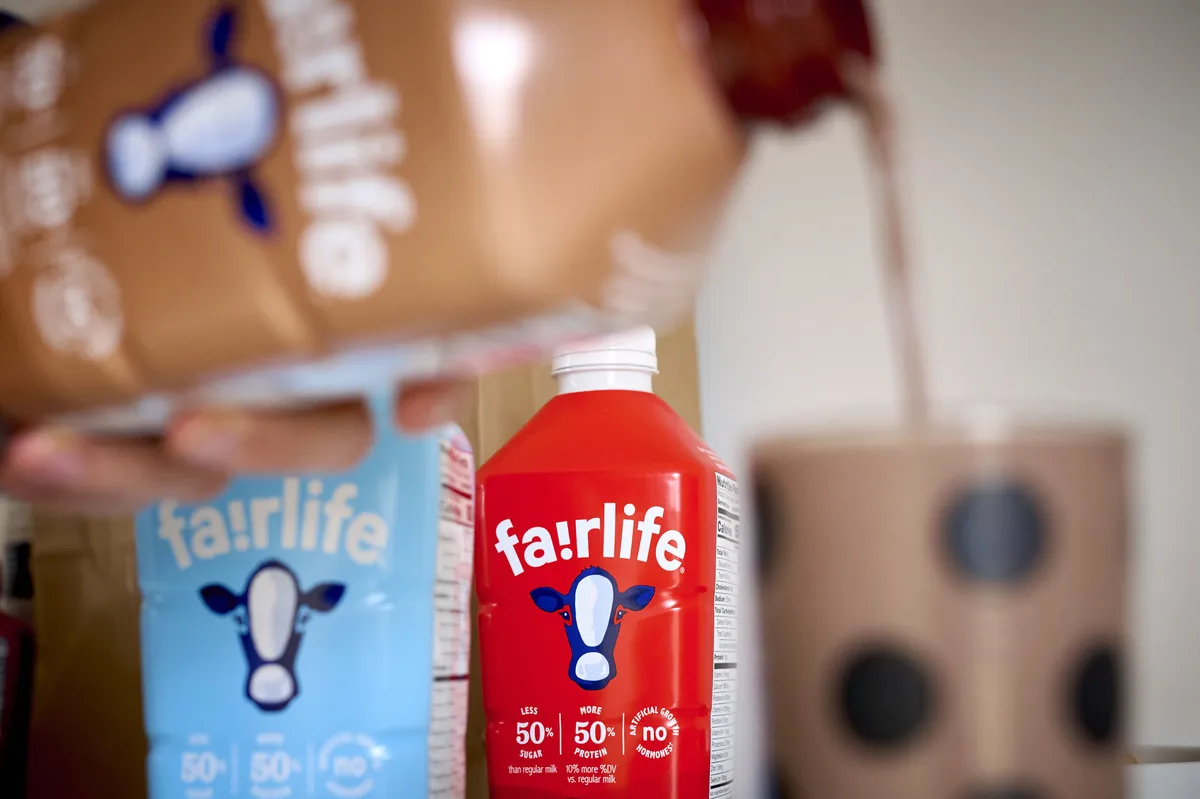
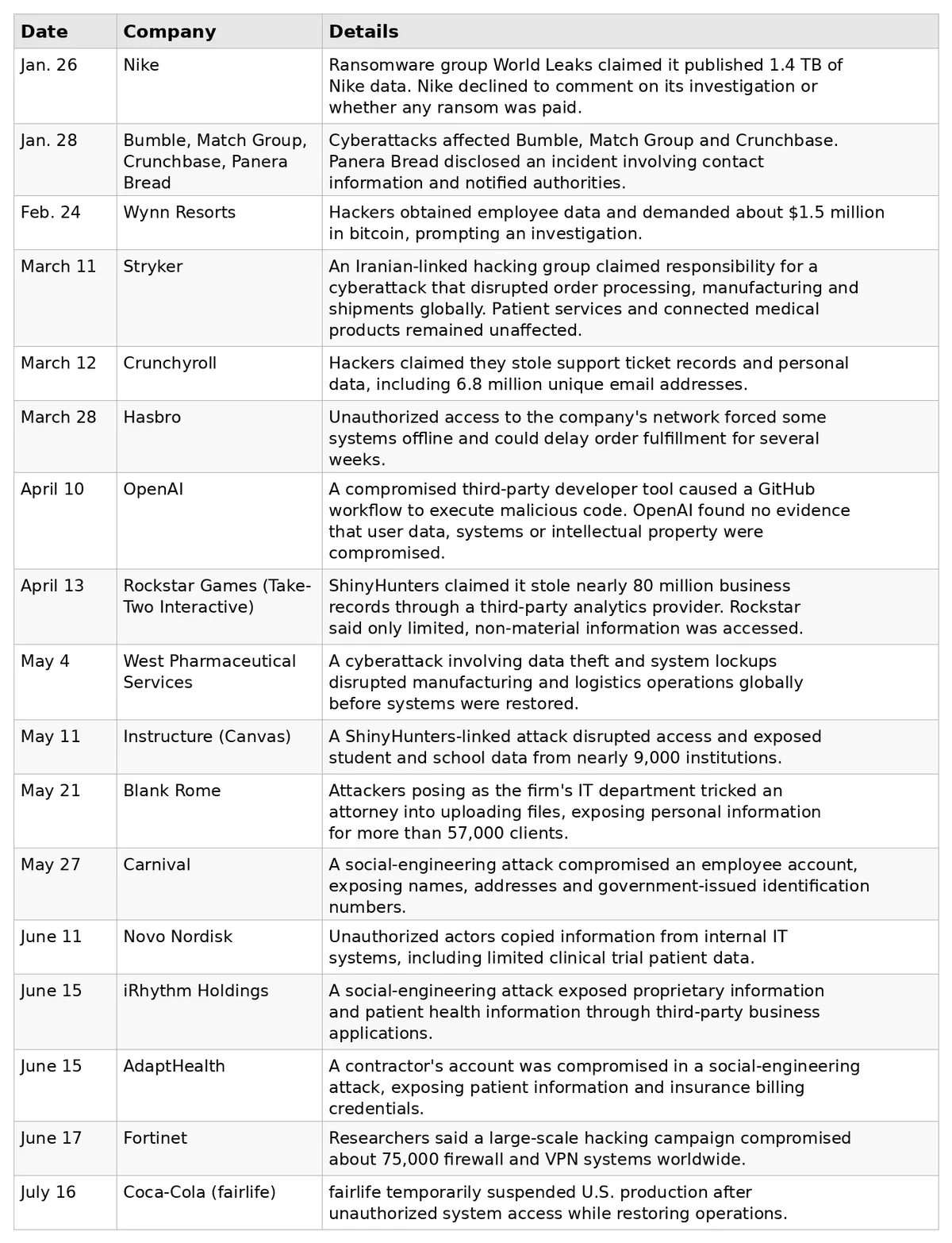
The Coca-Cola Company, a global beverage leader, announced on July 17, 2026, that it has temporarily suspended operations of its Fairlife milk brand in the United States due to a cyberattack attributed to ransomware. This incident raises significant concerns not only for the company but also for the broader food and beverage industry, highlighting vulnerabilities in operational technology and the ongoing threat posed by cybercriminals.
According to Coca-Cola's statement, unauthorized access was gained to certain production-related systems in the U.S., prompting immediate action to halt operations. Fortunately, the company assured consumers that the quality and safety of Fairlife products were not compromised during this breach. The attack appears to have been sophisticated, and the full extent of the damage is still being assessed.
Understanding the Ransomware Threat
Ransomware attacks have surged in recent years, targeting organizations across various sectors, including manufacturing, healthcare, and finance. These attacks typically involve malicious software that encrypts an organization's data, rendering it inaccessible until a ransom is paid to the attackers.
How Ransomware Works
Ransomware can infiltrate systems through various means, including:
- Phishing emails: Deceptive messages that trick employees into clicking malicious links.
- Software vulnerabilities: Exploiting weaknesses in software applications to gain unauthorized access.
- Remote Desktop Protocol (RDP) attacks: Gaining access through unsecured RDP connections.
Once inside, attackers can lock down files and demand payment, often in cryptocurrency, for the decryption key. The costs associated with these attacks can be staggering, not only from the ransom itself but also from potential loss of business and recovery expenses.
The Implications for Coca-Cola and Fairlife
Coca-Cola fully acquired Fairlife from Select Milk Producers in 2020 for approximately $7 billion, marking a strategic move to diversify its product offerings with high-protein dairy options. The Fairlife brand has been a significant contributor to Coca-Cola's portfolio, appealing to health-conscious consumers.
The temporary suspension of Fairlife operations could have ripple effects throughout the supply chain, affecting farmers, distributors, and retailers who rely on the brand's products. Additionally, the suspension poses potential financial implications for Coca-Cola, which must navigate both the operational disruptions and the reputational damage that can accompany high-profile cyber incidents.
Response and Recovery Efforts
In response to the cyberattack, Coca-Cola has taken proactive steps by engaging law enforcement and consulting with external cybersecurity experts. These actions are crucial for understanding the attack's nature and preventing future incidents. The company has emphasized its commitment to transparency and consumer safety, which are paramount in maintaining public trust.
The Broader Impact on the Food and Beverage Industry
The incident involving Coca-Cola underscores a growing concern within the food and beverage sector regarding cybersecurity preparedness. As companies increasingly rely on digital systems for production, supply chain management, and customer engagement, the risk of cyberattacks escalates. This shift requires a comprehensive approach to cybersecurity that includes not only technological solutions but also employee training and incident response planning.
Key Considerations for Food and Beverage Companies
Organizations in the industry should prioritize the following strategies to bolster their cybersecurity defenses:
- Regular security audits: Conduct assessments to identify and address vulnerabilities.
- Employee training: Implement ongoing education programs to raise awareness about phishing and other cyber threats.
- Incident response plans: Develop and regularly update plans to respond quickly and effectively to cyber incidents.
The rising frequency of cyberattacks indicates that no organization is immune, making it imperative for companies to take a proactive stance on cybersecurity.
Consumer Reactions and Future Implications
As consumers become increasingly aware of cybersecurity issues, incidents like the one affecting Fairlife can influence public perception and purchasing decisions. Shoppers may question the safety and reliability of brands that experience breaches, even if product quality remains intact. This shift in consumer sentiment can have lasting implications for brand loyalty and market share.
Building Consumer Confidence
To mitigate negative impacts, companies must work diligently to communicate their commitment to security and transparency. This includes:
- Public updates: Keeping consumers informed about the situation and steps being taken.
- Assurance of safety: Reiterating that product quality and safety are not compromised.
- Future prevention measures: Outlining plans to strengthen cybersecurity moving forward.
Such proactive communication can help rebuild trust and maintain customer loyalty during turbulent times.
Key Takeaways
- Coca-Cola suspended Fairlife operations in the U.S. due to a ransomware cyberattack.
- The attack did not compromise product safety or quality.
- Cybersecurity preparedness is critical for food and beverage companies to prevent future incidents.
- Consumer trust can be affected by high-profile cyberattacks, necessitating transparent communication.
Frequently Asked Questions
What is Fairlife and why is it significant to Coca-Cola?
Fairlife is a high-protein dairy brand acquired by Coca-Cola in 2020 for about $7 billion. It is significant because it provides Coca-Cola with a foothold in the health-conscious consumer market, which is increasingly important as consumers seek nutritious alternatives.
How does a ransomware attack affect businesses?
A ransomware attack can disrupt operations, lead to financial losses, and damage a company's reputation. The immediate impact often includes halting production, as seen with Fairlife, and the long-term effects can include reduced consumer trust and increased cybersecurity costs.
What measures can companies take to protect against cyberattacks?
Companies can enhance protection against cyberattacks by implementing regular security audits, providing employee training on cybersecurity awareness, and developing comprehensive incident response plans. These strategies help identify vulnerabilities and prepare for potential cyber threats effectively.
Can consumers be assured of product safety after a cyberattack?
While a cyberattack can disrupt operations, companies like Coca-Cola strive to ensure that product quality and safety are not compromised. Clear communication from companies about the status and safety of their products is essential for maintaining consumer confidence after an incident.
Comments
GEICO Takes Legal Action Against Queens Pharmacy Over $2 Million Fraud Scheme
GEICO has filed a lawsuit against Central RX Pharmacy Corp. for allegedly exploiting New York's No-Fault auto insurance system to bill over $2 million for fraudulent claims. The insurer's complaint details a scheme involving inflated prices and kickbacks to maximize profits.

Related articles





Popular in Business Insurance
- Surging War-Risk Insurance Rates in the Strait of Hormuz: What It Means for Shipping
- Ross & Yerger Insurance Faces Class Action Over Data Breach Allegations
- Sompo Expands U.S. Workers' Compensation Portfolio with Service Insurance Acquisition
- Legal Battle Unfolds Over $1 Million Truck Crash Insurance Payout
- Howden Group's Ambitious Journey Toward IPO and Expansion