Forklift Accident Sparks Coverage Dispute: A Legal Battle Explained
A New York court's recent ruling highlights the complexities of insurance coverage disputes, focusing on the interpretation of policy terms following a forklift accident.

The world of insurance is filled with complexities and nuances, especially when it comes to interpreting policy language. A recent ruling from a New York appeals court underscores the significance of the words used in insurance documents, particularly in the context of a forklift accident that left a valued piece of equipment damaged. This case not only illustrates how specific phrases in an insurance policy can lead to different interpretations and outcomes but also serves as a critical reminder for businesses to meticulously review their coverage details.
In the pivotal case involving Machine Tool Repair & Sales, Inc. (Machine Tool) and Tokio Marine America Insurance Company (TMAIC), the court had to determine whether the terms of a marine open cargo policy were sufficient to cover the damage incurred when a grinder fell from a forklift during delivery. The ruling, dated July 15, 2026, reveals the intricate dance between pre-typed policy language and handwritten notes, and how these can affect a business's ability to recover losses.
Background of the Incident
The saga began on April 18, 2019, when Machine Tool purchased a grinder from Pride Machinery Sales, Inc. (Pride). As part of the transaction, Pride took responsibility for transporting the grinder to Machine Tool's location, securing insurance coverage through TMAIC. The policy in question was a marine open cargo policy, which generally provides coverage for goods while in transit.
The Delivery Process
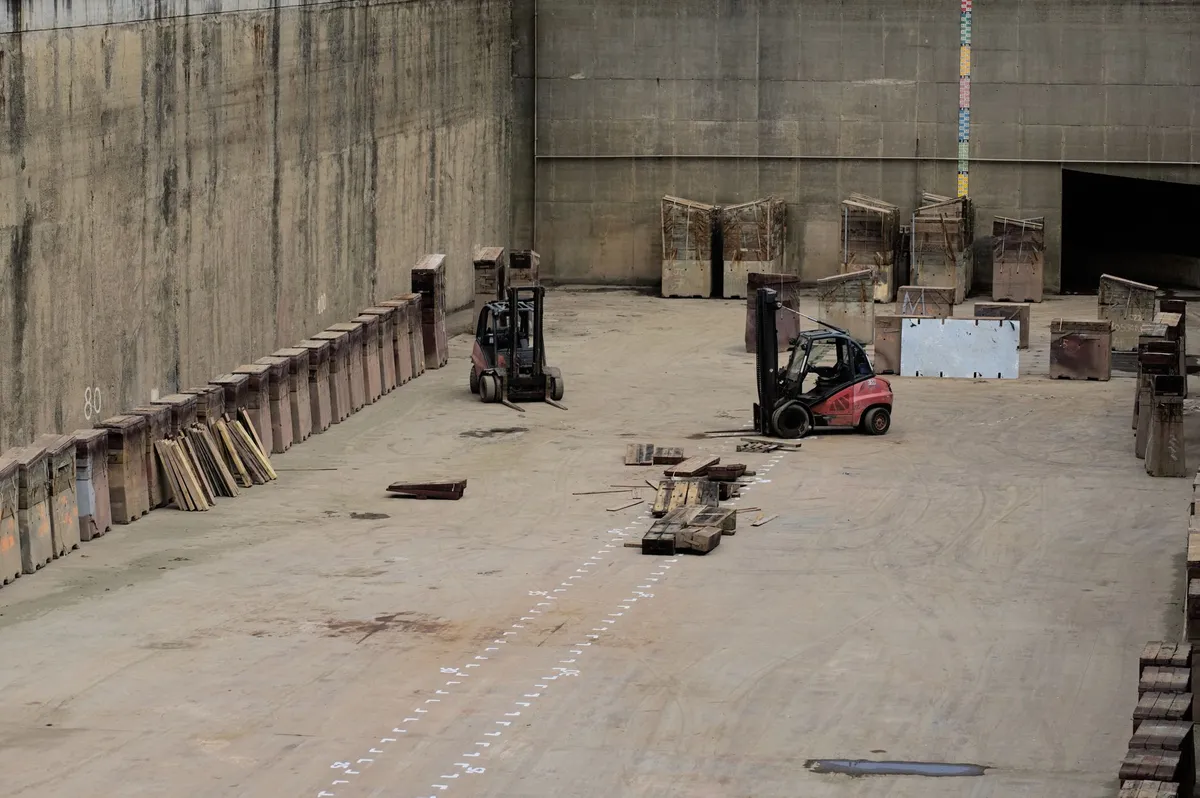
When the grinder arrived at Machine Tool's premises, it was being lifted off the delivery truck by a forklift. Unfortunately, the grinder fell during this process, resulting in what Machine Tool described as “irreparable damages.” The company promptly filed a claim with TMAIC to recover the losses incurred from the damaged equipment. However, TMAIC denied the claim, leading to a protracted legal battle over the interpretation of the insurance policy.
Key Legal Issues at Play
The crux of the dispute revolved around the interpretation of two phrases that appeared in the insurance documents. TMAIC contended that a “warehouse to warehouse” clause within the policy indicated that coverage ended once the grinder was off the truck, as the transit was considered complete. However, Machine Tool pointed to a typewritten note on the certificate of insurance that stated “warehouse floor to floor,” arguing that this indicated coverage continued until the grinder was safely on its warehouse floor.
Understanding Insurance Terminology
In the realm of insurance, terms and phrases can carry significant weight, and their interpretation can vary based on context. The “warehouse to warehouse” clause is a standard provision that typically defines the limits of coverage during transportation. In contrast, the “floor to floor” wording added another layer of complexity, suggesting that coverage was not limited to the transportation phase but extended to the final placement of the equipment within the insured's premises.
The Court’s Ruling
The Appellate Division, Second Department, ultimately sided with Machine Tool, affirming that the typewritten “floor to floor” clause prevailed over the standard provisions of the policy. The court reasoned that the certificate of insurance specified that a holder's rights would not be prejudiced by conflicting terms in the open policy, which was crucial in this case. By interpreting the “floor to floor” terminology as ambiguous, the court left open the possibility for further examination of whether the damage to the grinder was indeed covered under the policy.
Significance of Ambiguity in Insurance
This ruling highlights a vital aspect of insurance law: ambiguity in policy language can lead to differing interpretations and potential liability for insurers. When terms are not clearly defined, it creates an opportunity for disputes to arise, which can lead to costly legal battles. The court's acknowledgment of this ambiguity allowed Machine Tool to move forward with its claim, demonstrating that precise language is paramount in insurance contracts.
Impact on All Parties Involved
While Machine Tool celebrated the court’s decision as a victory, the implications were also significant for TMAIC. The court ruled that TMAIC was not liable for Pride's cross-claims against it, which included allegations of bad faith and violations of the Prompt Payment Act. These claims were dismissed due to the absence of a direct contract between TMAIC and Pride, illustrating that the relationship between parties in an insurance context can be complex and multifaceted.
Lessons for Businesses
For businesses operating in environments where heavy machinery is involved, this incident serves as a cautionary tale about the importance of understanding insurance coverage. Companies should take the following steps to safeguard themselves:
- Review Policies Thoroughly: Ensure that all terms and phrases are clearly understood and that there are no ambiguities that could lead to disputes.
- Seek Clarification: If any terms in an insurance policy or certificate are unclear, businesses should seek clarification from their insurance agents or legal advisors.
- Document Everything: Keep detailed records of all transactions, including shipping and receiving processes, to support claims if disputes arise.
- Consider Additional Coverage: Evaluate whether additional coverage or endorsements are necessary to fully protect against potential losses.

Key Takeaways
- The New York court ruled that typewritten notes can override standard policy terms.
- Ambiguities in insurance language can lead to significant legal disputes.
- Understanding the intricacies of your insurance policy is crucial for protecting your business.
- Always document transactions related to insured assets to support potential claims.
- Consider consulting with insurance professionals to ensure adequate coverage.

Frequently Asked Questions
What is a marine open cargo policy?
A marine open cargo policy is a type of insurance that provides coverage for goods while they are in transit. This policy typically protects against various risks, including theft, damage, or loss during shipping. It is particularly common in industries that frequently move valuable equipment or products over long distances.
How can businesses ensure they are adequately covered by their insurance policies?
Businesses can ensure they are adequately covered by thoroughly reviewing their insurance policies, understanding the specific terms and conditions, and seeking clarification on any ambiguous language. Additionally, consulting with insurance agents or legal advisors can help identify potential gaps in coverage and suggest appropriate endorsements or additional policies.
What should I do if my insurance claim is denied?
If your insurance claim is denied, the first step is to review the denial letter carefully to understand the reasons behind the decision. Following that, you can gather supporting documentation and evidence to contest the denial. It may also be beneficial to consult with a legal professional specializing in insurance disputes to explore your options for appeal or further action.
What are common reasons for insurance claim denials?
Insurance claims can be denied for various reasons, including lack of coverage for the specific incident, failure to provide adequate documentation, or ambiguities in policy language. Insurers may also deny claims based on the policy's exclusions or limitations, highlighting the importance of understanding the full scope of your coverage before an incident occurs.
Comments
GEICO Takes Legal Action Against Queens Pharmacy Over $2 Million Fraud Scheme
GEICO has filed a lawsuit against Central RX Pharmacy Corp. for allegedly exploiting New York's No-Fault auto insurance system to bill over $2 million for fraudulent claims. The insurer's complaint details a scheme involving inflated prices and kickbacks to maximize profits.

Related articles




Popular in Business Insurance
- Surging War-Risk Insurance Rates in the Strait of Hormuz: What It Means for Shipping
- Ross & Yerger Insurance Faces Class Action Over Data Breach Allegations
- Sompo Expands U.S. Workers' Compensation Portfolio with Service Insurance Acquisition
- Legal Battle Unfolds Over $1 Million Truck Crash Insurance Payout
- Howden Group's Ambitious Journey Toward IPO and Expansion