Amazon Sued for $596K Over Alleged E-Bike Fire at Domino's Pizza
American Family Insurance is pursuing Amazon and other companies for damages after an e-bike fire caused extensive damage at a Domino's restaurant. This case highlights the complexities of liability in online sales.
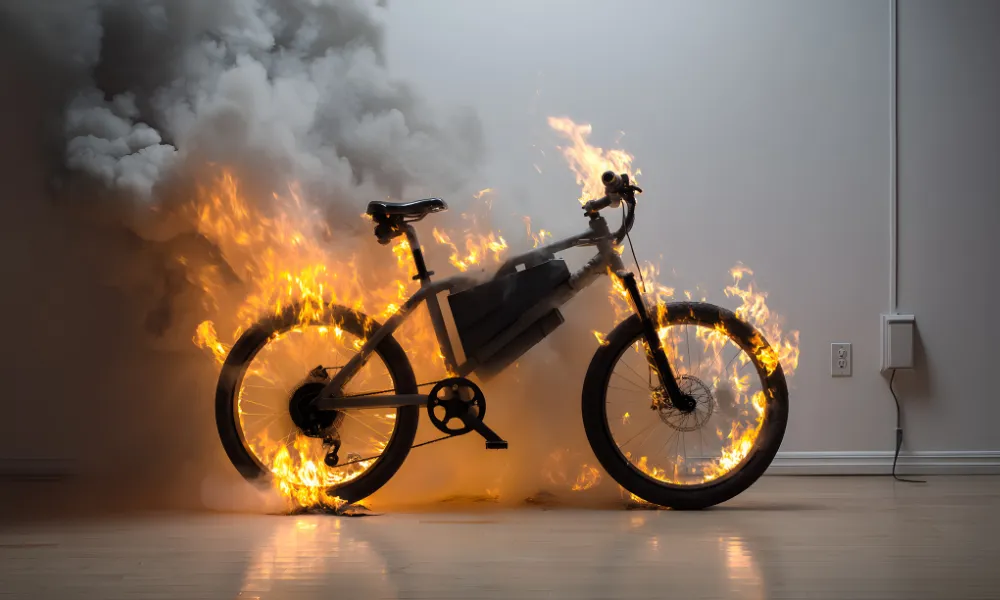
In a legal battle that underscores the complexities of product liability in the age of e-commerce, American Family Insurance has initiated a lawsuit against Amazon and several other parties seeking to recover $596,120.06. This lawsuit stems from an incident in July 2022, when an e-bike purchased through Amazon allegedly caught fire inside a Domino's Pizza restaurant in Minneapolis, Minnesota. The implications of this case extend beyond the immediate damages, touching upon issues of product safety, liability, and the responsibilities of online retailers in a digital marketplace.
The Incident: What Happened?
According to the complaint filed in Minnesota federal court on July 16, 2026, the incident began when a delivery driver for Domino's purchased an e-bike from a third-party seller on Amazon named Qoeklose in May 2022. The bike, manufactured by Shenzhen Chirrey Technology, was equipped with a lithium-ion battery produced by Woitian New Energy. On July 23, 2022, while parked at the restaurant, the e-bike allegedly caught fire at approximately 6:30 p.m. The complaint emphasizes that the bike and its battery were not charging or connected to any electrical outlet at the time of the incident.
The fire resulted in significant damage to the Domino's location, prompting American Family Insurance to cover the losses suffered by its policyholder. After fulfilling their financial obligation, the insurer stepped into the shoes of the restaurant owner, pursuing a subrogation claim against the parties they believe hold responsibility for the incident.

Understanding Subrogation Claims
Subrogation is a key principle in insurance that allows an insurer to pursue recovery from third parties responsible for a loss after they have compensated their insured. In this case, American Family Insurance is leveraging subrogation to claim the $596,120.06 it paid out due to the fire damages. The insurer's lawsuit includes claims of strict product liability, negligence, and breach of warranty against Amazon, the third-party seller, and the manufacturers of the e-bike and battery.
What is Strict Product Liability?
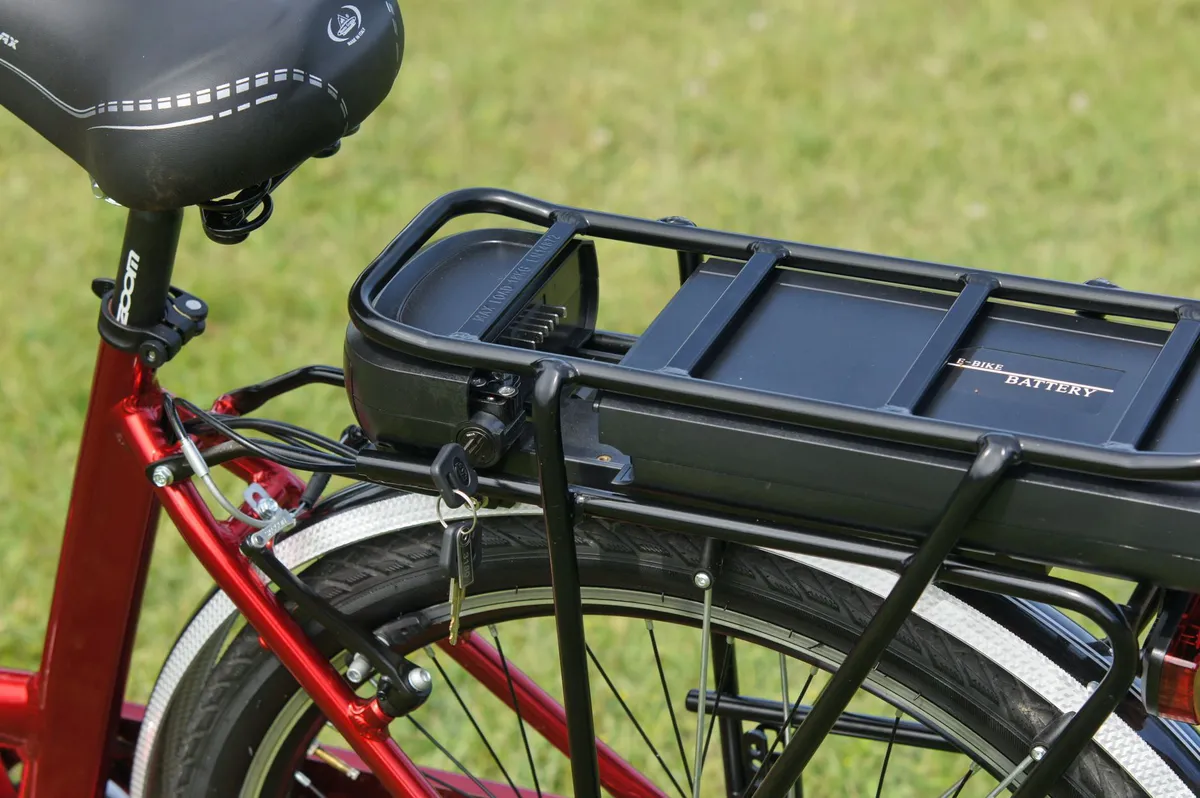
Strict product liability is a legal doctrine that holds manufacturers and sellers accountable for defective products that cause harm, regardless of whether they were negligent. American Family alleges that the e-bike was in a “defective condition and unreasonably dangerous” and that it “spontaneously ignited” during normal use. This claim suggests that the product failed to meet safety standards expected by consumers, which is crucial in establishing liability.
The Role of E-Commerce in Product Liability
The inclusion of Amazon in this lawsuit raises important questions about the responsibilities of online retailers when it comes to product safety. As e-commerce continues to grow, so does the complexity of determining liability when a product purchased online causes harm. Traditionally, liability for defective products lay primarily with manufacturers and retailers, but the rise of platforms like Amazon introduces additional layers of responsibility.
Amazon has long maintained that it is merely a marketplace for third-party sellers, distancing itself from liability for products sold by those sellers. However, in this case, American Family argues that both Amazon and Qoeklose were “in the business of selling the e-bike product,” suggesting that they should both bear some responsibility for the product's alleged defects.
Legal Precedents and Consumer Implications
This case could set a significant precedent for future litigation involving online purchases. If the court rules in favor of American Family, it may pave the way for increased accountability for online marketplaces, compelling them to ensure that the products sold through their platforms meet strict safety standards. Conversely, if Amazon prevails, it may reinforce the notion that online retailers are not liable for third-party products, which could impact consumer safety measures.
Examining the Potential Outcomes
While the allegations against Amazon and the other defendants have not been tested in court, the outcome of this case could have far-reaching effects for various stakeholders:
- Consumers: A ruling favoring American Family could lead to improved safety standards for products sold online and increased consumer protection.
- Retailers: Online marketplaces may need to reassess their liability policies and procedures to account for potential risks associated with third-party sales.
- Insurers: The case may influence how insurance companies approach subrogation claims in e-commerce scenarios, potentially leading to changes in underwriting practices.
Key Takeaways
- American Family Insurance is suing Amazon and others for $596,120 over an e-bike fire.
- The case highlights the complexities of product liability in e-commerce.
- Subrogation allows insurers to recover costs from responsible parties after paying claims.
- The outcome could set legal precedents affecting online sales and consumer safety.
- Liability for defective products may shift towards online marketplaces.
Frequently Asked Questions
What is subrogation in insurance?
Subrogation is a process where an insurance company seeks reimbursement from third parties responsible for a loss after compensating its insured. This allows insurers to recover costs incurred from claims, thereby reducing their overall financial exposure. In the case of American Family Insurance, they are pursuing subrogation against multiple parties after paying for damages caused by the e-bike fire.
How does strict product liability work?
Strict product liability holds manufacturers, distributors, and sellers liable for defects in products that cause harm, regardless of negligence. This means that if a product is found to be defective and causes injury or damage, the responsible parties can be held liable without needing to prove they acted negligently. In this case, American Family alleges that the e-bike was defectively designed or manufactured, leading to its dangerous condition.
What are the implications of this lawsuit for consumers?
The outcome of this lawsuit could have significant implications for consumers, particularly regarding product safety in the online marketplace. A ruling in favor of American Family may compel online retailers to enhance their safety protocols and vetting processes for third-party products. This could lead to better consumer protection and a reduction in the risk of dangerous products being sold online.
How might this affect online retailers like Amazon?
If the court finds Amazon liable in this case, it could set a precedent that holds online retailers responsible for the safety of products sold on their platforms. This could lead to increased costs for these retailers as they may need to implement more stringent product safety measures and face potential liabilities in future cases. Conversely, a ruling in favor of Amazon could reinforce the current stance that online marketplaces are not liable for third-party products, potentially limiting consumer recourse.
Comments
GEICO Takes Legal Action Against Queens Pharmacy Over $2 Million Fraud Scheme
GEICO has filed a lawsuit against Central RX Pharmacy Corp. for allegedly exploiting New York's No-Fault auto insurance system to bill over $2 million for fraudulent claims. The insurer's complaint details a scheme involving inflated prices and kickbacks to maximize profits.

Related articles




Popular in Business Insurance
- Surging War-Risk Insurance Rates in the Strait of Hormuz: What It Means for Shipping
- Ross & Yerger Insurance Faces Class Action Over Data Breach Allegations
- Sompo Expands U.S. Workers' Compensation Portfolio with Service Insurance Acquisition
- Legal Battle Unfolds Over $1 Million Truck Crash Insurance Payout
- Howden Group's Ambitious Journey Toward IPO and Expansion