Indiana Court Ruling: Insurers Can Deny Fire Claims Without Proving Harm
A recent Indiana appeals court ruling clarified that insurers can deny claims based on missed notifications regarding protective safeguards, without needing to demonstrate actual harm. This decision highlights the importance of understanding policy conditions.

In a significant ruling that has reverberated through the insurance industry, the Indiana Court of Appeals recently clarified an essential principle regarding fire insurance claims and the obligations of policyholders. The case in question involved Garvin Street Warehouse, LLC and KSAB, LLC, owners of a warehouse in Evansville, Indiana. After a devastating fire destroyed their property, the insurers, including Ascot Specialty Insurance Company, denied their claim based on the policy's Protective Safeguards Endorsement (PSE) due to a missed notification regarding a broken sprinkler system. The court’s decision underscores the critical need for policyholders to comprehend the specific conditions outlined in their insurance contracts, particularly when it comes to maintaining protective safeguards.
The Case: What Happened?
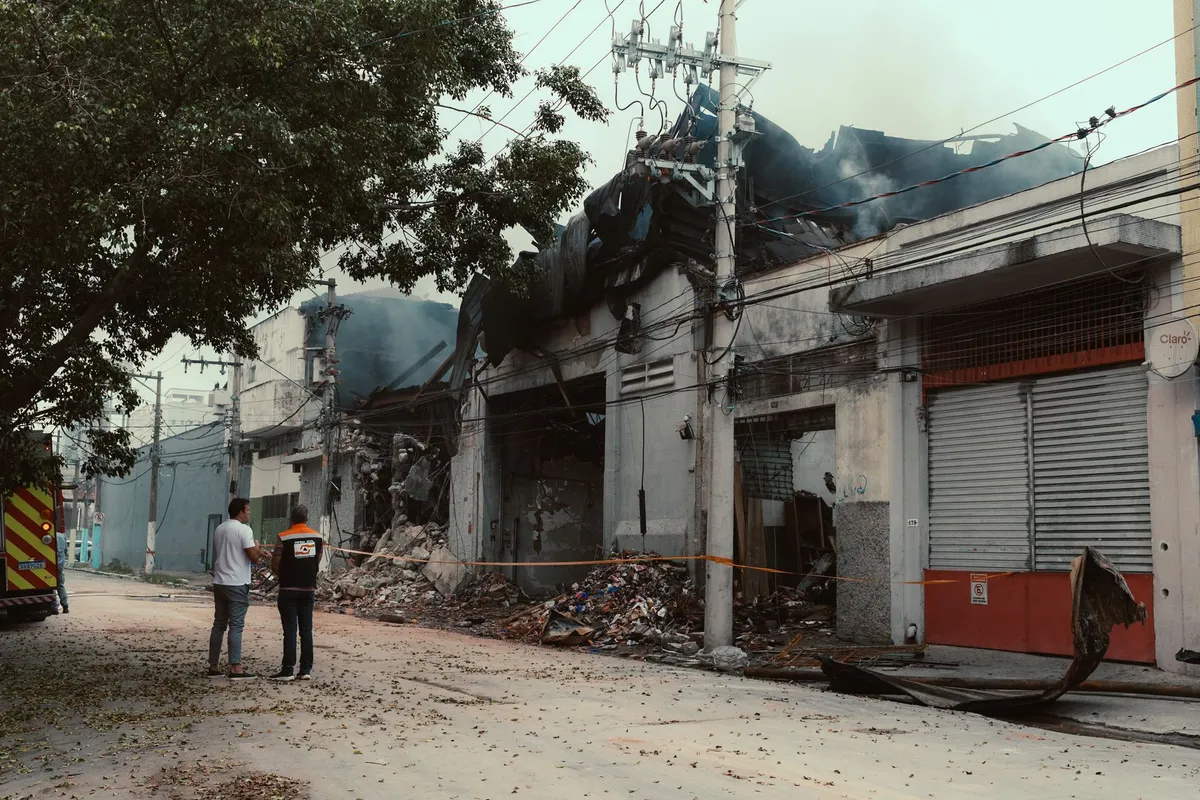
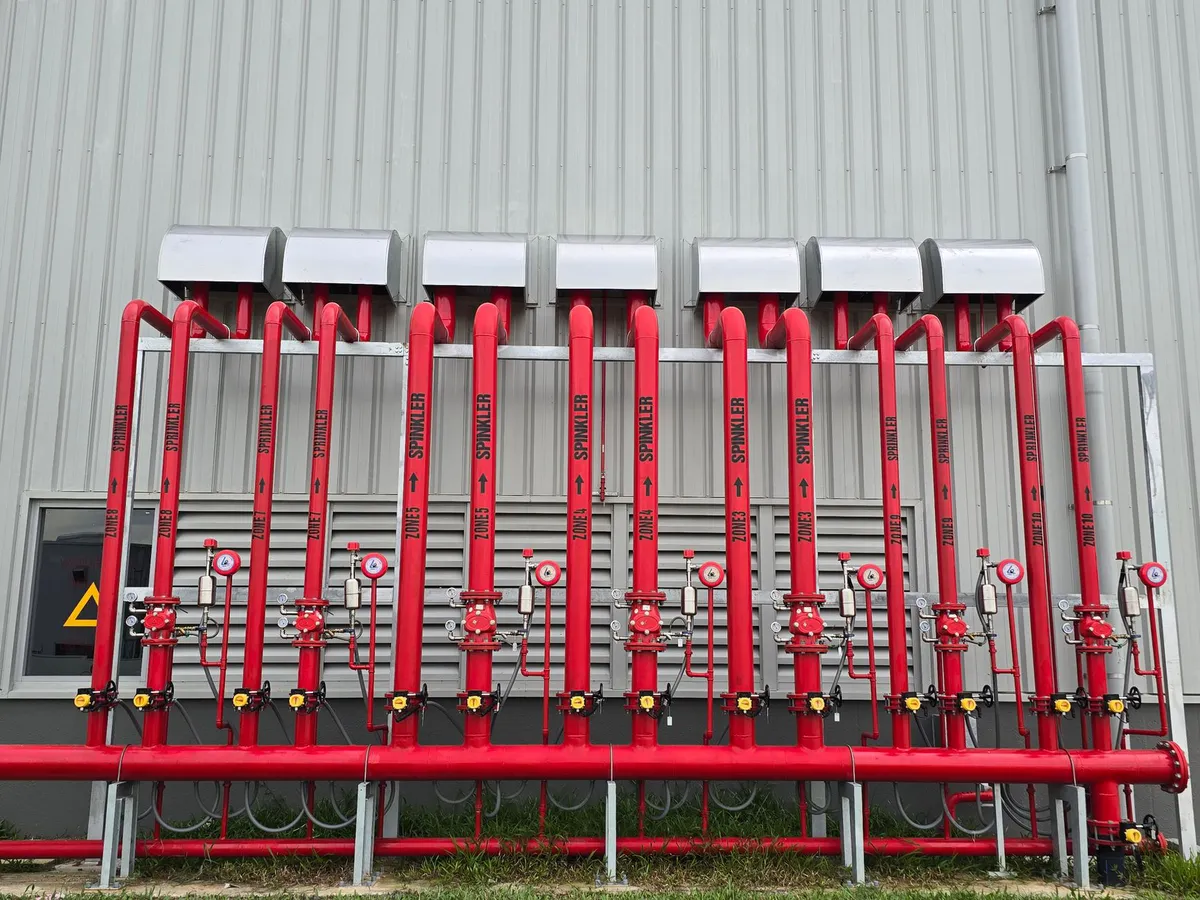
On December 23, 2022, a contractor discovered that one of the twenty risers in the warehouse's sprinkler system was frozen and broken. Despite attempts to coordinate repairs, the earliest the repair company could respond was January 2, 2023. Unfortunately, on December 31, just two days before the planned repairs, a fire broke out and completely destroyed the warehouse.
The PSE included a stipulation that the insurers were not required to be notified of a sprinkler issue if the system was restored within a 48-hour timeframe. Since Garvin failed to restore the sprinkler system within this period and did not provide any notice to the insurers, their claim was denied after the fire was reported. This denial ignited a legal dispute over whether the insurers were obligated to demonstrate that they suffered actual harm—referred to as “prejudice” in legal terms—due to the late notification.
The Court's Ruling: Prejudice Not Required
In a ruling that has implications for policyholders and insurers alike, the Indiana appeals court affirmed the trial court’s decision in favor of the insurers. The court ruled that the conditions outlined in the PSE were clear and unambiguous. Consequently, the insurers did not need to prove that they were harmed by the late notice of the sprinkler issue. This decision effectively establishes that under certain conditions, such as those involving protective safeguards, insurers can deny claims based solely on administrative failures by the policyholder.
Understanding Protective Safeguards Endorsements
A Protective Safeguards Endorsement is an important component of many commercial property insurance policies. It mandates that policyholders maintain certain protective measures, such as sprinklers or alarms, in good working order. If these safeguards are compromised, the coverage may be affected. In this case, the court reinforced that the PSE functions as a precondition to coverage, meaning that failure to adhere to these stipulations can result in the denial of claims without the need for the insurer to demonstrate prejudice.
Implications for Policyholders and Insurers
This ruling holds significant consequences for both policyholders and insurers operating in Indiana and potentially sets a precedent for similar cases across the country. Here are some essential takeaways:
- Policyholders must understand their obligations: It's crucial for business owners to thoroughly read and comprehend their insurance policies, especially the terms regarding protective safeguards. Misunderstanding these conditions can lead to devastating financial losses.
- Insurers gain clearer enforcement rights: The ruling provides insurers with a clearer path to deny claims based on missed notifications regarding protective safeguards, reinforcing the importance of strict adherence to policy terms.
- Legal precedent may influence future cases: With this decision, courts may be more inclined to uphold similar claims denials in the future, solidifying the requirement for policyholders to maintain diligence regarding their protective measures.

Key Takeaways
- The Indiana appeals court ruled that insurers can deny claims based on missed notifications regarding protective safeguards without proving actual harm.
- Protective Safeguards Endorsements (PSE) are crucial and must be adhered to in order to maintain coverage.
- Policyholders should be proactive in understanding and complying with their insurance contracts to avoid claim denials.
Frequently Asked Questions
What exactly is a Protective Safeguards Endorsement?
A Protective Safeguards Endorsement (PSE) is a provision in certain insurance policies that requires the policyholder to maintain protective devices, such as fire alarms and sprinkler systems, in good working condition. Failure to comply with these requirements can lead to denial of claims if a loss occurs, as was seen in the recent Indiana ruling.
How can policyholders ensure compliance with their insurance policies?
To ensure compliance, policyholders should carefully review their insurance policies to understand all conditions and requirements, particularly those related to protective measures. Regular maintenance of these systems, keeping detailed records of inspections and repairs, and notifying insurers promptly of any issues can help maintain coverage and avoid claim denials.
What should I do if my claim is denied?
If an insurance claim is denied, policyholders can first request a detailed explanation from their insurer regarding the denial. They may also consider reviewing their policy with an insurance professional or attorney to determine if the denial was justified. If there are grounds for appeal, policyholders can formally contest the denial through the insurer’s appeals process or seek legal recourse.
Comments
GEICO Takes Legal Action Against Queens Pharmacy Over $2 Million Fraud Scheme
GEICO has filed a lawsuit against Central RX Pharmacy Corp. for allegedly exploiting New York's No-Fault auto insurance system to bill over $2 million for fraudulent claims. The insurer's complaint details a scheme involving inflated prices and kickbacks to maximize profits.

Related articles






Popular in Business Insurance
- Surging War-Risk Insurance Rates in the Strait of Hormuz: What It Means for Shipping
- Ross & Yerger Insurance Faces Class Action Over Data Breach Allegations
- Sompo Expands U.S. Workers' Compensation Portfolio with Service Insurance Acquisition
- Legal Battle Unfolds Over $1 Million Truck Crash Insurance Payout
- Howden Group's Ambitious Journey Toward IPO and Expansion