The Rising Threat of Wildfire Smoke: Impacts on Air Quality and Insurance
Recent Canadian wildfires are blanketing the northeastern U.S. with smoke, raising air quality concerns and prompting operational challenges for risk managers. As air quality alerts are issued across many states, understanding the implications for businesses and insurance becomes crucial.
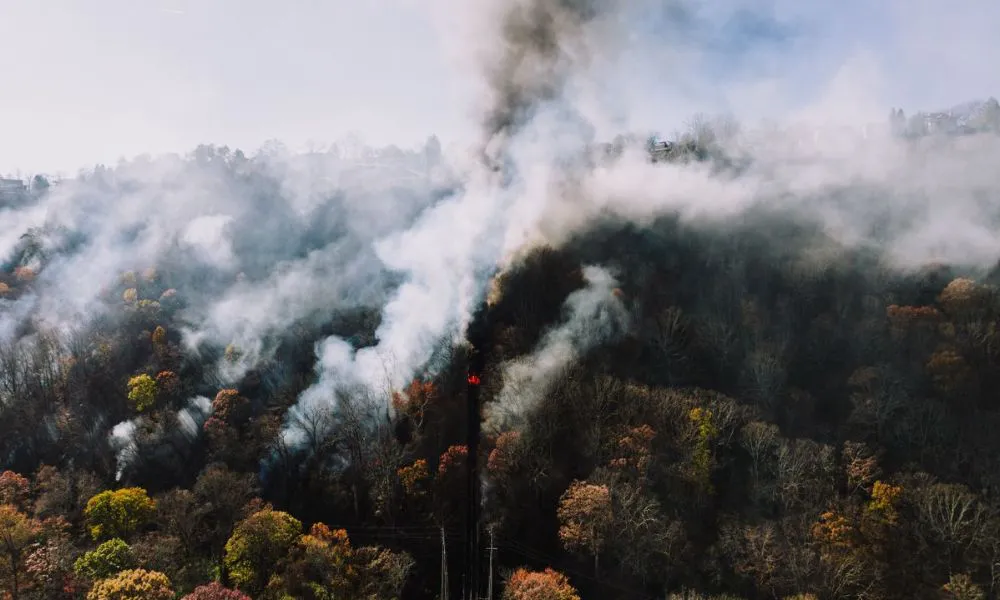
The summer of 2023 has brought an alarming reminder of the consequences of climate change as wildfire smoke from Canada blankets the northeastern United States. On July 16, air quality alerts were issued across more than a dozen states, raising alarms for both public health and operational risk management. This phenomenon, while not new, has become a recurring challenge for risk managers who must navigate the complexities of air quality regulations and the potential for smoke-related damages.
As meteorologists from AccuWeather warned of intensifying smoke effects, regions from Minnesota to New Jersey grappled with unhealthy to hazardous air quality levels. Major urban centers including Philadelphia, Cleveland, and Chicago faced significant impacts, prompting action from local governments and health agencies. The Canadian Wildland Fire Information System reported over 850 active wildfires, with devastating blazes in northern Minnesota consuming approximately 55,000 acres, a stark reminder of the scale of these natural disasters.
Wildfire Smoke and Air Quality Alerts
The rapid spread of wildfire smoke poses serious risks not only to individual health but also to businesses and industries operating in affected areas. AirNow.gov, a federal resource tracking air quality, indicated that regions including northern Illinois and eastern Pennsylvania experienced significant air quality degradation. This deterioration is particularly concerning for outdoor workers, who are at heightened risk during such events.
In the absence of specific state regulations governing wildfire smoke exposure in the northeastern and Great Lakes states, employers are left to navigate the legal landscape under the general duty clause of the Occupational Safety and Health Administration (OSHA). This clause mandates that employers provide a workplace free from recognized hazards, which, in this context, includes the risks associated with prolonged exposure to smoke and poor air quality.
Understanding the Financial Implications for Businesses
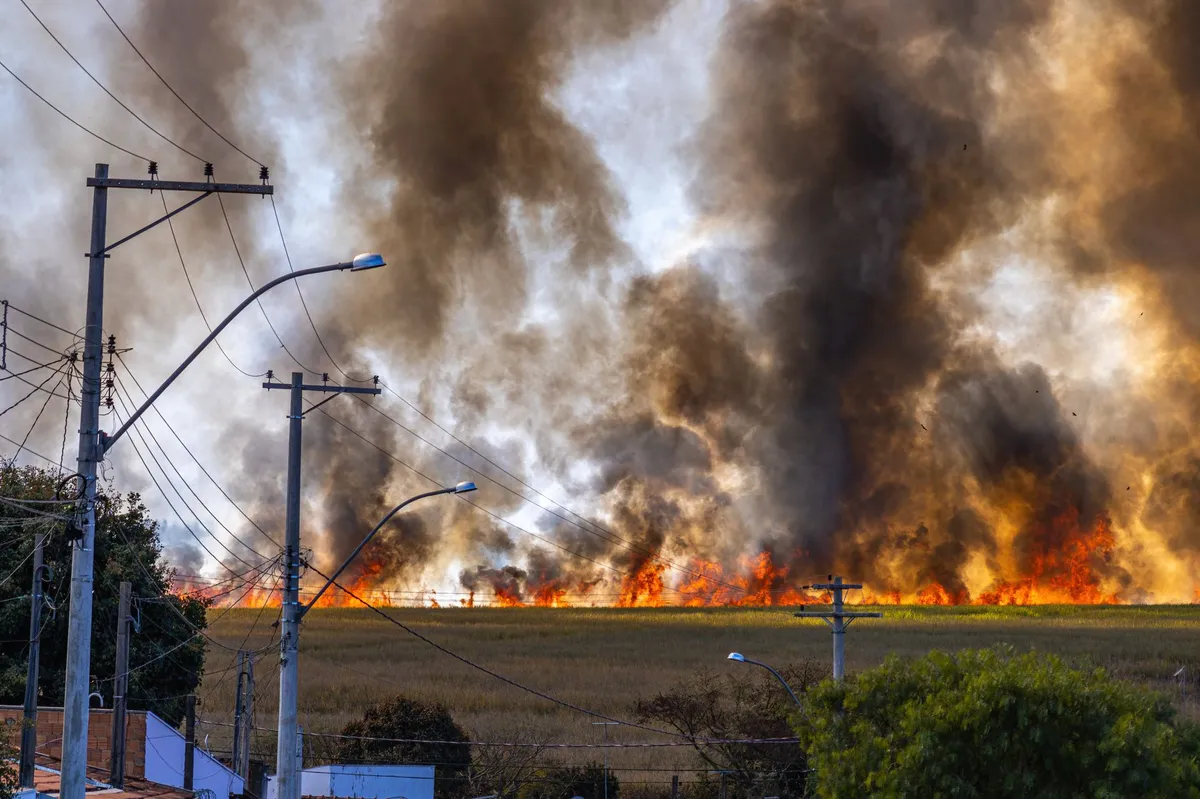
The financial ramifications of wildfire smoke incidents can be substantial. Data from Verisk indicates that in the aftermath of the 2025 Los Angeles wildfires, smoke damage accounted for approximately 30% of claims filed within the first month. Furthermore, an additional 35% of claims related to smoke damage emerged over the following two years. This trend illustrates the long-term financial impact that air quality issues can impose on businesses.
In New Jersey, one manufacturing facility was forced to close due to hazardous outdoor air quality earlier this summer, highlighting the immediate operational risks businesses face during such events. Risk managers have since pointed to this incident as a benchmark for evaluating future smoke-related risks and the potential for similar occurrences in the future.
Regulatory Response and Best Practices
In response to the increasing frequency of wildfire smoke events, California, Oregon, and Washington have implemented regulations requiring outdoor employers to monitor fine particulate matter (PM2.5) levels. When these levels exceed specific thresholds, employers must take steps to reduce worker exposure. However, other states lacking similar regulations may find themselves unprepared when faced with the realities of wildfire smoke.
Best Practices for Employers
- Install Air Purifiers: Use air purifiers with HEPA filters to reduce indoor air pollution.
- Seal Entrances: Ensure that windows and doors are sealed to prevent smoke infiltration.
- Limit Outdoor Activities: Adjust work schedules to minimize outdoor exertion during smoke events.
- Communicate Risks: Keep employees informed about air quality conditions and safety measures.
- Regular Monitoring: Stay updated on air quality reports and adjust operations accordingly.
The Long-term View: Adapting Insurance Policies
As the impacts of wildfire smoke become more pronounced, the insurance industry is increasingly scrutinizing policy language regarding air quality and smoke-related claims. Following the Los Angeles wildfires, California regulators are moving towards establishing formal standards for assessing smoke damage claims, a pioneering initiative that could shape how other states approach this issue.
Insurance companies are beginning to understand the importance of incorporating air quality risks into their underwriting processes. As wildfire seasons grow longer and more severe, the potential for smoke-related claims will likely increase, necessitating a reevaluation of coverage options and risk assessment methodologies.

Key Takeaways
- Wildfire smoke from Canada has led to air quality alerts across over a dozen U.S. states.
- Businesses, particularly those with outdoor workers, must address air quality risks under OSHA regulations.
- Data shows significant financial impacts from smoke-related claims, emphasizing the need for robust risk management.
- California is leading the way in establishing smoke damage assessment standards that may influence other states.
- Employers should implement best practices to protect employees during smoke events.
Frequently Asked Questions
How does wildfire smoke affect health?
Wildfire smoke contains a mixture of gases and fine particulate matter, which can have serious health effects. Short-term exposure can lead to respiratory problems, eye irritation, and cardiovascular issues, particularly for vulnerable populations such as children and the elderly. Long-term exposure can exacerbate chronic health conditions and has been linked to increased morbidity rates.
What should businesses do if air quality is poor?
Businesses should monitor air quality levels regularly and implement safety measures as needed. This includes limiting outdoor work activities, providing protective equipment, and ensuring that indoor environments are well-ventilated or equipped with air purifiers. Open communication with employees regarding air quality conditions is crucial for their health and safety.
Are there insurance policies that cover smoke damage?
Yes, many property insurance policies include coverage for smoke damage, but the specifics can vary widely between insurers. It is essential for businesses to carefully review their policies to understand what is covered and to consider additional endorsements if necessary. Consulting with an insurance professional can help clarify coverage options.
What are the legal responsibilities of employers during smoke events?
Employers have a legal responsibility to ensure a safe working environment, which includes addressing recognized hazards such as poor air quality due to smoke. Under OSHA’s general duty clause, employers must take appropriate measures to protect workers, which may include altering work conditions or providing protective equipment during smoke events.
Comments
GEICO Takes Legal Action Against Queens Pharmacy Over $2 Million Fraud Scheme
GEICO has filed a lawsuit against Central RX Pharmacy Corp. for allegedly exploiting New York's No-Fault auto insurance system to bill over $2 million for fraudulent claims. The insurer's complaint details a scheme involving inflated prices and kickbacks to maximize profits.

Related articles



Popular in Business Insurance
- Surging War-Risk Insurance Rates in the Strait of Hormuz: What It Means for Shipping
- Ross & Yerger Insurance Faces Class Action Over Data Breach Allegations
- Sompo Expands U.S. Workers' Compensation Portfolio with Service Insurance Acquisition
- Legal Battle Unfolds Over $1 Million Truck Crash Insurance Payout
- Howden Group's Ambitious Journey Toward IPO and Expansion