The Billion-Dollar Insurance Landscape Behind the World Cup Final
As the 2026 FIFA World Cup approaches, the insurance market for major sporting events is under scrutiny. This article explores the complexities and rising costs of insuring such a monumental occasion.
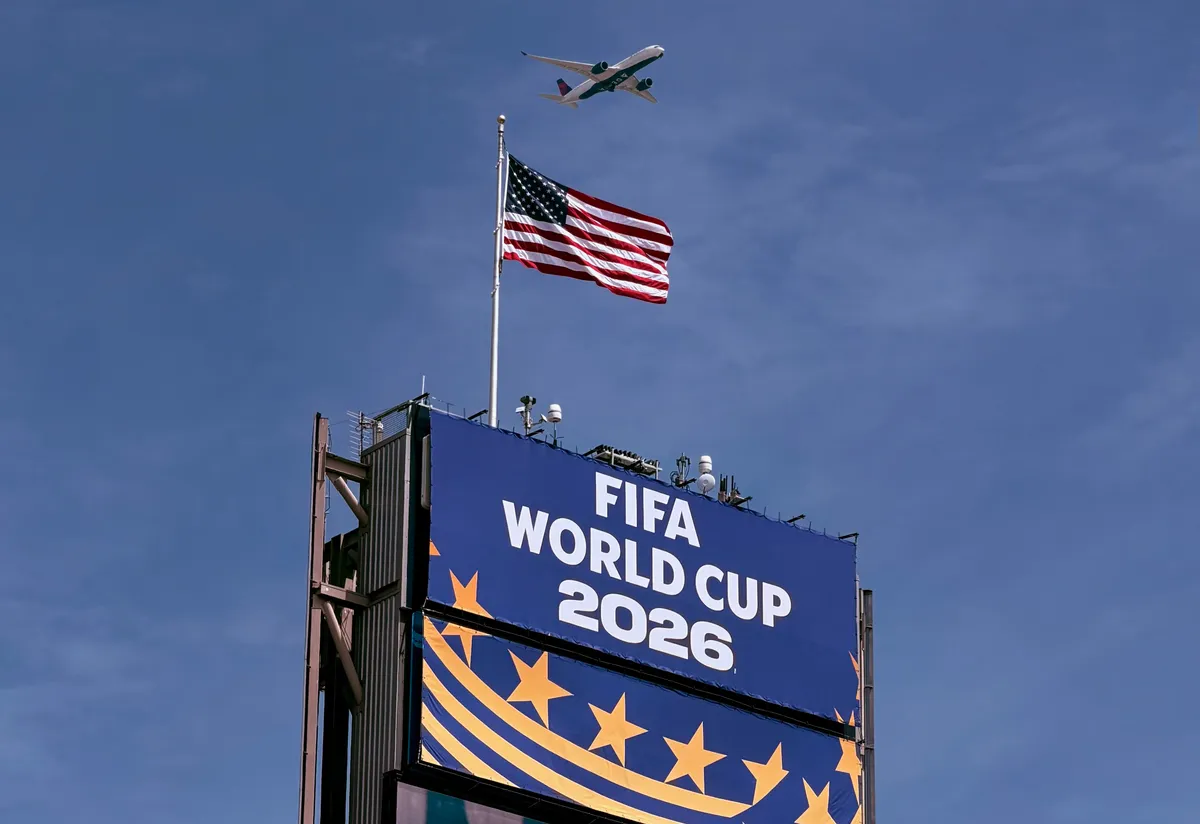
The excitement is palpable as the world gears up for the FIFA World Cup final on July 19, 2026, to be held across the United States, Canada, and Mexico. Yet, beyond the thrill of the tournament lies a crucial element that ensures its success: event insurance. With estimates projecting that the insurance coverage for this World Cup will exceed $1 billion, understanding the intricacies of this financial safety net sheds light on the evolving risk landscape for major sporting events.
As the largest World Cup ever staged, the tournament's three-country footprint has significantly raised the stakes for insurance providers. The increasing complexity of organizing such large-scale events has not only heightened the overall insured values but also amplified the demand for various types of coverage, including terrorism, cyber incidents, natural disasters, and more. As fans prepare for what promises to be a memorable event, stakeholders must navigate a labyrinth of risks and liabilities that accompany the grandeur of the World Cup.
The Growing Insurance Needs for Major Sporting Events
Insurance coverage for events like the World Cup is not just a mere formality; it is a necessity driven by the ever-changing risk environment. For the 2022 World Cup held in Qatar, FIFA secured approximately $900 million in event cancellation coverage. This figure is not only indicative of the financial stakes involved but also a reflection of the growing risks associated with hosting such large-scale events. According to Morningstar DBRS, the insurance figure for the upcoming 2026 tournament is poised to surpass the billion-dollar mark due to increased risks.
One of the primary drivers of this increase is the expansion of the tournament across three countries. Each location introduces a unique set of challenges and risks, including:
- Terrorism: The potential for terrorist attacks is a significant concern for large gatherings, particularly in high-profile events like the World Cup.
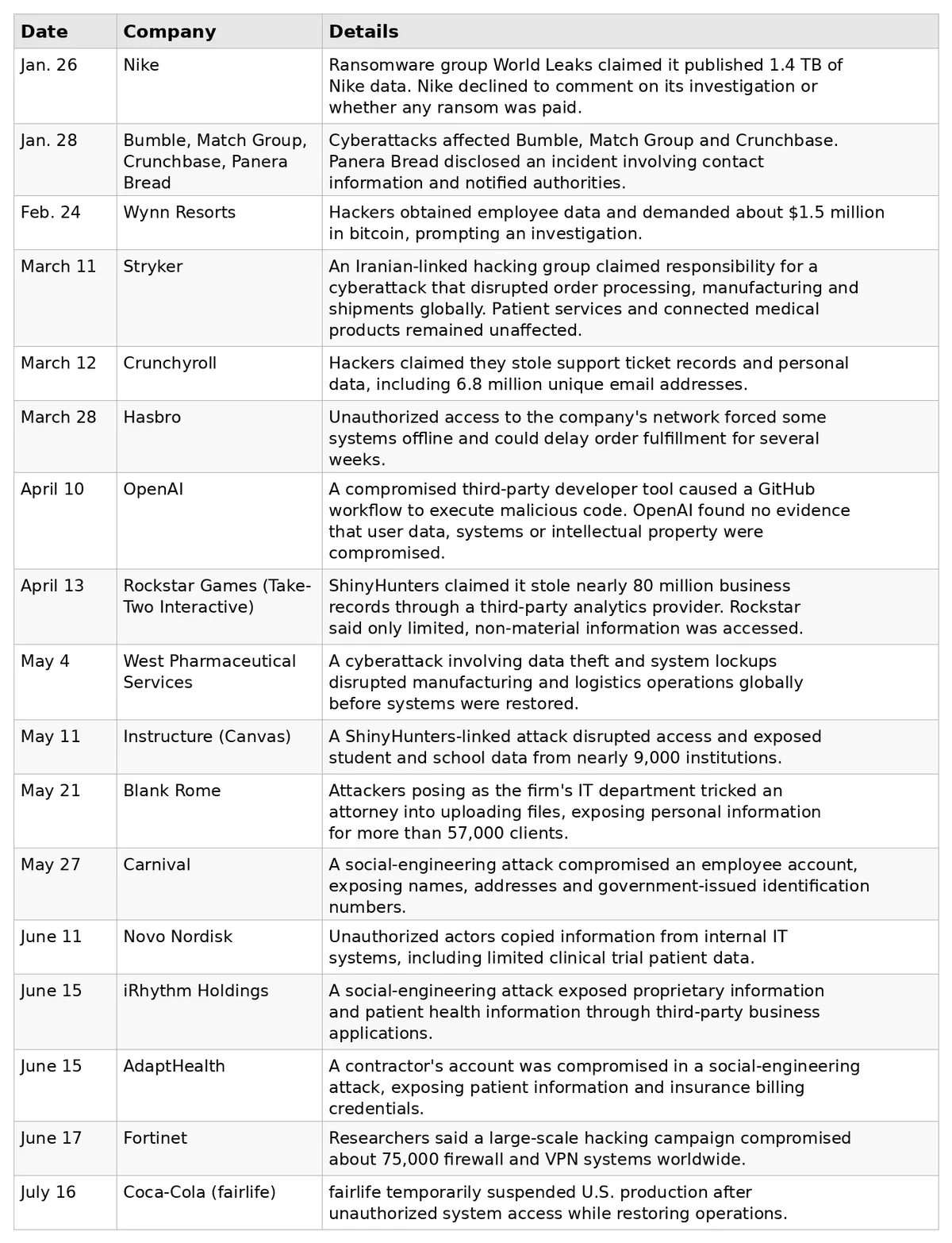
- Cybersecurity: In an increasingly digital world, the risk of cyber incidents—from hacking to data breaches—poses a substantial threat to event operations.
- Natural Disasters: Severe weather events can disrupt events, making comprehensive coverage essential for organizers.
- Political Violence: Geopolitical tensions can escalate, affecting not just attendance but also the safety of participants and fans.
- Venue Inaccessibility: Factors such as construction, safety concerns, or logistical issues can hinder access to venues.

Understanding Event Cancellation Coverage
Event cancellation insurance serves as one layer within the broader insurance framework designed to protect stakeholders from financial loss due to unforeseen circumstances. However, it is important to note that the cancellation of the World Cup final itself would not necessarily trigger the full insured limit. Instead, revenue and costs are distributed across multiple matches and stakeholders, meaning that an individual match cancellation would only account for a fraction of the overall coverage.
For context, consider the Tokyo 2020 Olympic Games, which were postponed due to the COVID-19 pandemic. The organizing committee received approximately $500 million in payouts, highlighting the substantial financial implications of event disruptions. Morningstar DBRS estimates that a complete cancellation of the Tokyo Games could have resulted in insured losses ranging from $2 billion to $3 billion, underscoring the importance of comprehensive insurance in safeguarding against potential financial fallout.
The Role of Reinsurance and Global Syndicates
The insurance landscape for major sporting events is characterized by a complex interplay between different players. Risks associated with these events are often shared among global insurers, reinsurers, and syndicates such as Lloyd's of London. This syndication helps to spread the financial burden of large claims, allowing the insurance sector to absorb even significant losses without jeopardizing its overall stability.
As the insurance requirements for large-scale events continue to rise, event organizers are increasingly looking for innovative solutions to manage their risk exposure. The COVID-19 pandemic has served as a stark reminder of how quickly circumstances can change, prompting many to reassess their insurance strategies.

The Emergence of Parametric Insurance
In response to the evolving landscape of event risks, many organizers are exploring parametric insurance as an alternative to traditional coverage. Unlike conventional cancellation insurance, which pays out based on verified losses, parametric policies provide automatic payouts when specific conditions are met, such as exceeding a predefined rainfall threshold.
This approach offers several advantages:
- Speed of Payouts: Parametric insurance allows for quicker access to funds, as payouts can be triggered automatically without extensive loss adjustment processes.
- Reduced Disputes: By relying on objective triggers, these policies minimize the chances of disputes between insurers and event organizers.
- Flexibility: Organizers can customize coverage based on their unique risk profiles and event-specific conditions.
Research conducted by Marsh estimates that the global parametric insurance market will reach $34.4 billion by 2033, indicating a growing trend among event organizers seeking faster recovery mechanisms. The case of Bad Bunny concert organizers in Medellín, Colombia, illustrates this trend: they secured a parametric weather policy ahead of a severe rainfall threat, protecting $23.7 million in ticket revenue with an automatic payout structure.

Future of Event Insurance: Trends and Predictions
As the World Cup approaches, it is clear that the insurance landscape for major sporting events is undergoing a transformation. Factors such as operational complexity, geopolitical risks, and the need for prompt recovery mechanisms are shaping the future of event insurance. Morningstar DBRS anticipates that demand for parametric insurance will continue to rise as event organizers navigate higher potential losses.
For fans and stakeholders, understanding the insurance landscape can provide insights into the financial robustness of events like the World Cup. As coverage becomes more comprehensive and tailored to the unique challenges of modern events, it is essential to recognize how these financial safety nets contribute to the overall success and stability of major sporting occasions.
Key Takeaways
- The insurance coverage for the 2026 FIFA World Cup is expected to exceed $1 billion due to rising risks.
- Event cancellation insurance is a crucial component, but individual match cancellations do not trigger full coverage limits.
- Parametric insurance is gaining traction as a faster, more efficient alternative to traditional coverage.
- Global syndicates and reinsurers play a critical role in spreading the risk of large claims.
- Understanding the complexities of event insurance can provide insights into the financial health of major sporting events.
Frequently Asked Questions
What types of risks are covered by event insurance?
Event insurance typically covers a wide range of risks, including cancellation due to unforeseen circumstances like severe weather, terrorism, and natural disasters. Coverage can also extend to political violence and venue inaccessibility, ensuring that organizers have a financial safety net in case of disruptions.
How does parametric insurance differ from traditional insurance?
Parametric insurance differs from traditional insurance in that it pays out based on objective triggers rather than verified losses. For example, if a specific weather condition is met, such as exceeding a certain amount of rainfall, the policy automatically triggers a payout. This reduces disputes and speeds up the claims process, providing quicker financial relief to event organizers.
Why is the insurance market for major events growing?
The insurance market for major events is growing due to increased operational complexity, rising geopolitical risks, and the need for comprehensive coverage against a variety of potential disruptions. As events become larger and more multifaceted, organizers are recognizing the importance of securing robust insurance policies to safeguard against financial losses.
What impact did the COVID-19 pandemic have on event insurance?
The COVID-19 pandemic highlighted vulnerabilities in the event insurance sector, leading many organizers to reassess their coverage needs. The postponement of events like the Tokyo 2020 Olympics underscored the potential for catastrophic disruptions, prompting a shift toward more flexible and comprehensive insurance solutions, including parametric coverage.
Comments
GEICO Takes Legal Action Against Queens Pharmacy Over $2 Million Fraud Scheme
GEICO has filed a lawsuit against Central RX Pharmacy Corp. for allegedly exploiting New York's No-Fault auto insurance system to bill over $2 million for fraudulent claims. The insurer's complaint details a scheme involving inflated prices and kickbacks to maximize profits.

Related articles






Popular in Business Insurance
- Surging War-Risk Insurance Rates in the Strait of Hormuz: What It Means for Shipping
- Ross & Yerger Insurance Faces Class Action Over Data Breach Allegations
- Sompo Expands U.S. Workers' Compensation Portfolio with Service Insurance Acquisition
- Legal Battle Unfolds Over $1 Million Truck Crash Insurance Payout
- Howden Group's Ambitious Journey Toward IPO and Expansion