Navigating the Complexities of Cyber Insurance: Key Insights from InsuranceFest 2026
Cyber insurance is evolving rapidly, with vendor risk, AI exclusions, and quantum computing at the forefront of discussions among industry experts. This article delves into the critical issues highlighted during InsuranceFest 2026, providing essential insights for businesses and insurers alike.
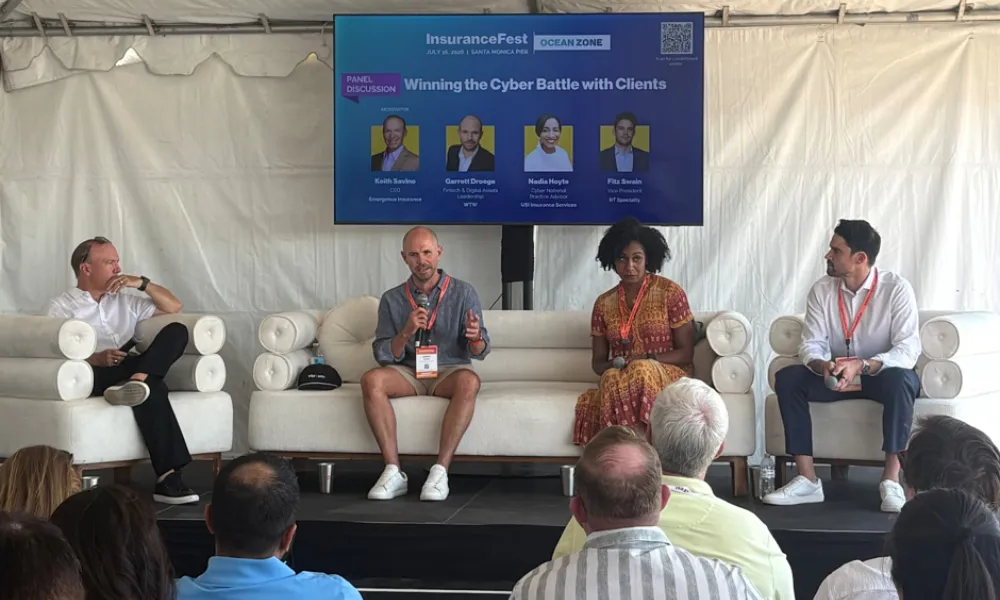
The landscape of cyber insurance is undergoing a seismic shift as businesses grapple with increasingly sophisticated threats and evolving regulatory frameworks. At InsuranceFest 2026 in Santa Monica, industry leaders convened to discuss these pressing challenges, particularly focusing on vendor risk, artificial intelligence (AI) exclusions, and the looming threat of quantum computing. The panel, moderated by Keith Savino, CEO of Emergence Insurance, included experts Garrett Droege, Nadia Hoyte, and Fitz Swain, each shedding light on how these factors are reshaping the cyber insurance market.
As organizations become more reliant on third-party vendors for technological solutions, the risks associated with vendor relationships have escalated. Droege emphasized that many companies mistakenly believe that by outsourcing data management to third parties, they are absolved of responsibility for potential breaches. This misconception can lead to devastating consequences, as historical data shows that most significant cyber incidents involve third parties that have inadvertently left vulnerabilities in the system. With businesses facing the dual challenge of managing their own cyber hygiene and that of their vendors, understanding the depth of vendor risk has never been more crucial.
Understanding Vendor Risk in Cyber Insurance
Vendor risk, often overlooked in the broader context of cyber insurance, poses a significant threat to organizations. Hoyte pointed out that while many companies conduct initial due diligence on their vendors, they frequently fail to grasp the extent of their exposure within the broader supply chain. This gap in understanding can lead to catastrophic breaches, leaving companies vulnerable despite their best efforts to protect their data.
The Importance of Comprehensive Due Diligence
To effectively mitigate vendor risk, organizations must extend their due diligence beyond the primary supplier. A holistic approach should include:
- Mapping out all contractual relationships within the supply chain.
- Evaluating the security measures employed by each vendor.
- Regularly reviewing vendor compliance with industry standards.
- Understanding the implications of vendor failures on their own operations.
As cyber insurers increasingly prioritize supply chain exposure and vendor oversight in underwriting processes, businesses must adopt a proactive stance in managing these risks. This may involve regular audits, robust vendor assessments, and the establishment of clear cybersecurity expectations in vendor contracts.

The Rise of AI Exclusions in Cyber Insurance Policies
As artificial intelligence becomes more prevalent in business operations, its implications for cyber insurance are significant. Swain highlighted a growing trend among insurers to incorporate AI-specific exclusions into errors and omissions policies. These exclusions often focus on scenarios where businesses rely on AI-generated outputs without adequate human oversight. The potential risks of such reliance can be severe, as demonstrated by instances of AI systems producing fabricated legal documents or erroneous data outputs.
Addressing AI-Related Exposures
The necessity for insurers to refine policy language concerning AI is evident. As the landscape of AI applications continues to evolve, so too must the underwriting considerations. Insurers should consider adopting a more nuanced approach, which includes:
- Developing tailored questions regarding the deployment of AI technologies.
- Encouraging businesses to implement robust human oversight protocols for AI outputs.
- Regularly updating policies to reflect the latest advancements and risks associated with AI.
In light of ongoing developments in AI regulation, including state-level legislation in places like Colorado, businesses must stay informed and adapt their practices accordingly. This adaptability will not only help mitigate risks but also ensure compliance with evolving legal standards.

The Challenges of Policy Limits and Exclusions
A recurring theme in the cyber insurance sector is the disparity between headline policy limits and the actual sub-limits that apply to specific risks. Droege pointed out that many policies feature significantly lower sub-limits for critical areas such as social engineering and funds transfer fraud. This discrepancy can leave businesses exposed when they need coverage the most.
Understanding Policy Structures
To navigate the complexities of policy limits and exclusions, businesses should:
- Thoroughly review their cyber insurance policies to understand the nuances of coverage.
- Engage in discussions with their brokers about potential gaps in coverage.
- Ask for clarification on how sub-limits apply to specific risks.
By gaining a clearer understanding of their coverage, organizations can make informed decisions about their insurance needs and seek additional protection where necessary.

The Impending Threat of Quantum Computing
Looking to the future, the emergence of quantum computing presents a formidable challenge for cyber insurance. Droege warned that the advent of commercially viable quantum attacks could render current encryption standards obsolete. This shift could have catastrophic implications, particularly if a quantum computer falls into the hands of malicious actors.
Preparing for Post-Quantum Cryptography
Brokers and businesses are encouraged to proactively engage with the National Institute of Standards and Technology's (NIST) roadmap for post-quantum cryptography. This framework provides valuable guidance for organizations seeking to transition their cybersecurity measures to safeguard against quantum threats. Key steps include:
- Assessing current encryption strategies and identifying vulnerabilities.
- Exploring partnerships with cybersecurity experts to enhance defenses.
- Staying informed about advancements in quantum computing and its implications for cybersecurity.
By preparing for the challenges posed by quantum computing, businesses can safeguard their data and maintain resilience in an ever-evolving threat landscape.
Key Takeaways
- Vendor risk is a critical area of concern for cyber insurance, requiring businesses to conduct thorough due diligence on third-party vendors.
- AI exclusions are increasingly common in policies, necessitating a focus on human oversight of AI-generated outputs.
- The disparity between headline policy limits and sub-limits can create coverage gaps, necessitating careful policy review.
- Quantum computing poses a significant future threat, urging organizations to prepare for post-quantum cryptography.
Frequently Asked Questions
What is vendor risk in the context of cyber insurance?
Vendor risk refers to the potential security threats that arise from a company's reliance on third-party vendors for services or products. Many organizations mistakenly believe that outsourcing data management absolves them of responsibility, but breaches often occur through these vendor relationships. Therefore, comprehensive due diligence and continuous monitoring of vendor security practices are essential to mitigate this risk.
How are AI exclusions affecting cyber insurance policies?
Insurers are increasingly adding AI-specific exclusions to policies, particularly for errors and omissions coverage. These exclusions often apply when businesses use AI-generated outputs without human oversight, exposing them to risks such as erroneous data or fabricated information. Companies must ensure they have adequate human review processes in place to minimize these risks and understand how their policies address such scenarios.
What should businesses know about policy limits and exclusions?
Many cyber insurance policies have significant discrepancies between headline limits and the actual sub-limits that apply to specific risks, such as social engineering and funds transfer fraud. Businesses should carefully review their policies, ask their brokers for clarification on coverage details, and ensure they have adequate protection for their most critical risks.
How can organizations prepare for quantum computing threats?
Organizations can prepare for the challenges posed by quantum computing by engaging with the National Institute of Standards and Technology's roadmap for post-quantum cryptography. This involves assessing current encryption practices, updating security measures, and staying informed about advancements in quantum technology to safeguard their data against potential future attacks.
Comments
GEICO Takes Legal Action Against Queens Pharmacy Over $2 Million Fraud Scheme
GEICO has filed a lawsuit against Central RX Pharmacy Corp. for allegedly exploiting New York's No-Fault auto insurance system to bill over $2 million for fraudulent claims. The insurer's complaint details a scheme involving inflated prices and kickbacks to maximize profits.

Related articles






Popular in Business Insurance
- Surging War-Risk Insurance Rates in the Strait of Hormuz: What It Means for Shipping
- Ross & Yerger Insurance Faces Class Action Over Data Breach Allegations
- Sompo Expands U.S. Workers' Compensation Portfolio with Service Insurance Acquisition
- Legal Battle Unfolds Over $1 Million Truck Crash Insurance Payout
- Howden Group's Ambitious Journey Toward IPO and Expansion