The Impact of Canadian Wildfires on US Insurers: A Growing Challenge
As Canadian wildfires rage, the effects are felt far beyond borders, complicating insurance claims and increasing costs for businesses across the U.S. This article explores how current events are reshaping the insurance landscape.
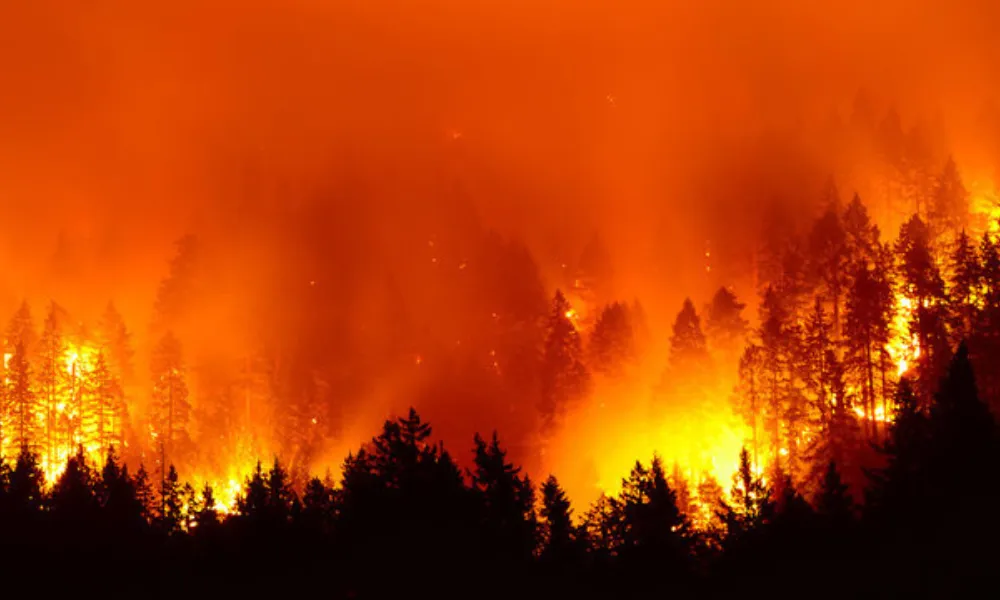
The smoke from devastating wildfires across Canada has triggered an air quality crisis that has swept across the U.S. Midwest and Northeast, affecting millions. Reports indicate that air quality alerts are in effect for over 18 states, with cities like New York and Milwaukee recording some of the worst air quality in recent history. As wildfires rage on, the implications for insurers in both Canada and the U.S. are profound, introducing new complexities that could have lasting effects on policyholders and the industry.
As of mid-September, nearly 860 wildfires were actively burning in Canada, with the Canadian Wildland Fire Information System reporting over 3,500 wildfires this year alone, burning an area exceeding 6 million acres. These wildfires are not only a local disaster but a cross-border challenge that complicates insurance claims, increases costs, and strains resources for adjusters and insurers alike.
The Ripple Effects of Canadian Wildfires
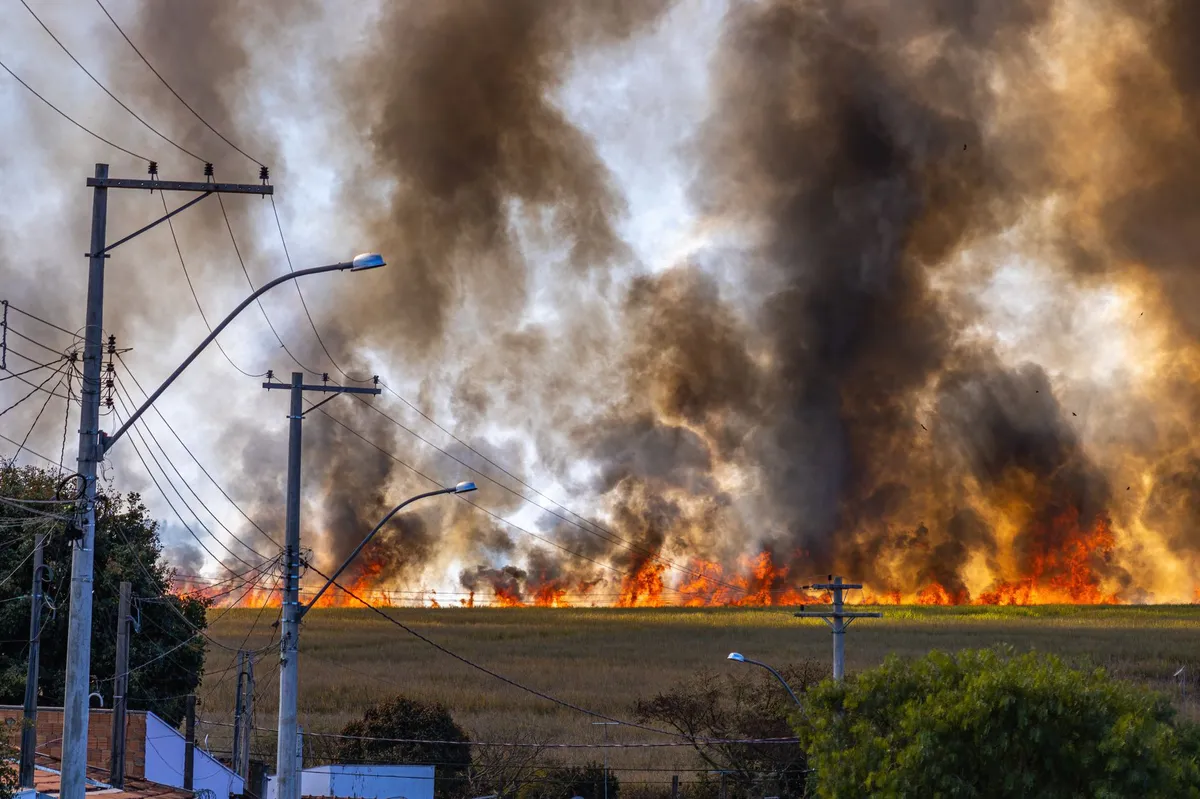
The ramifications of the wildfires extend far beyond the immediate threat of flames. In regions like northwestern Ontario, where blazes are concentrated, evacuation orders and road closures have led to significant business interruptions. The Insurance Bureau of Canada has highlighted that even businesses not directly affected by fire are experiencing losses due to civil authority claims. These claims stem from mandatory evacuation orders that prevent access to properties, creating a financial strain for policyholders.
Understanding Civil Authority Coverage
Civil authority coverage is an essential component of many business interruption policies. It provides financial protection when governmental authorities prohibit access to insured premises. This coverage is distinct from standard business interruption claims, which generally cover losses directly resulting from physical damage to a property. The complexity of claims related to civil authorities has increased as more companies face interruptions due to the smoke and related air quality issues, even if their facilities remain untouched by flames.
The Claims Process: A Complicated Landscape
Insurance claims related to the current wildfire season are further complicated by the nature of smoke damage. Data from past events, such as the 2025 Los Angeles wildfires, indicate that smoke damage can have a lengthy claims tail. Approximately 30% of claims related to smoke damage were filed within the first month of the wildfire event, while an additional 35% emerged up to two years later. This extended timeline for claims can create significant financial uncertainty for businesses and individuals.
Business Interruption Claims
For instance, risk managers in the manufacturing sector have recently pointed to a similar smoke episode in New Jersey as a benchmark for future planning. The episode forced a manufacturing facility to cease operations due to poor outdoor air quality, underlining how smoke can lead to operational disruptions that are not immediately linked to fire damage. This situation reflects a growing trend where businesses must prepare for a range of risks posed by climate-related events.
Adjuster Shortages and Tariffs: Compounding Challenges
As if the challenges posed by the wildfires weren't enough, the insurance industry is also grappling with a shortage of adjusters. This shortage is exacerbated by Canada’s province-by-province adjuster licensing system, which limits the speed at which claims-handling capacity can adapt to overwhelming demand during multiple concurrent disasters. As claims from wildfires mount, insurers face delays in processing claims, leaving policyholders in a precarious position.
The Impact of Tariffs on Repair Costs
Further complicating the landscape are tariffs on building materials, which have widened the gap between what insurance claims pay out and the actual costs of repairs. As inflation and supply chain issues continue to plague the construction industry, many insureds are delaying settlement of their claims, hoping to avoid further cost increases before contractors become available. For example, a homeowner whose property sustained smoke damage may find that the costs to repair their home are significantly higher than the insurance payout, leading to financial stress and uncertainty.

Historical Context: A Warning from the Past
The challenges faced by insurers today echo the experiences from previous wildfire seasons. The 2016 Fort McMurray wildfire in Canada serves as a cautionary tale, resulting in over 60,000 insurance claims and estimated insured damages of $4.8 billion in today's dollars. Fast forward to 2023, and Canada has experienced a record year for fire-related damages, with overall insured catastrophe losses reaching $8.5 billion, the highest on record. This alarming rise in claims has contributed to increasing home insurance rates, which rose by an average of 5.28% nationally in 2025 and as much as 9.07% in Alberta.
Evacuation and Economic Disruption
Evacuation-related losses have also become a pressing concern, particularly for extended displacements like those experienced during the 2023 British Columbia fires, where residents were evacuated for 36 days. Such long-term evacuations lead to heightened claim severity, as expenses for temporary housing, pet boarding, and food accumulate. Unfortunately, much of this economic disruption, including lost wages and interrupted business income, remains inadequately covered by standard insurance policies.
Key Takeaways
- Cross-Border Impact: Canadian wildfires have caused significant air quality issues in the U.S., leading to business interruptions.
- Claims Complexity: Smoke damage and civil authority claims add layers of complexity to the insurance claims process.
- Adjuster Shortages: A lack of adjusters is hindering timely claims processing during this critical period.
- Rising Costs: Tariffs on building materials are contributing to a growing gap between claim payouts and repair costs.
- Historical Precedent: Past wildfire events in Canada highlight the long-term implications for the insurance industry.
Frequently Asked Questions
How do wildfires affect air quality in the U.S.?
Wildfires generate large amounts of smoke and particulate matter, which can significantly degrade air quality far from the fire's location. Smoke can travel hundreds of miles, leading to health advisories and air quality alerts in various states, as witnessed recently across the Midwest and Northeast. Prolonged exposure to poor air quality can have serious health consequences, particularly for vulnerable populations such as children and the elderly.
What is civil authority coverage?
Civil authority coverage is designed to protect businesses from losses incurred when government entities prohibit access to insured properties due to emergencies, such as wildfires. This coverage can be crucial for businesses that experience interruptions even when their facilities remain physically intact. It's essential for policyholders to understand the details of this coverage, as it can play a significant role in mitigating financial losses linked to civil orders.
Why is there a shortage of insurance adjusters?
The shortage of insurance adjusters is a multifaceted issue, exacerbated by the increasing frequency and severity of natural disasters. Many adjusters are stretched thin, dealing with multiple claims at once during peak disaster seasons. Additionally, the licensing system in Canada complicates the ability to mobilize adjusters quickly across provinces, which further delays the claims process and heightens stress for policyholders waiting for resolution.
How can businesses prepare for future wildfire risks?
Businesses should take proactive steps to mitigate risks associated with wildfires. This includes conducting risk assessments to identify vulnerabilities, investing in fire-resistant building materials, and ensuring insurance policies adequately cover potential losses, including smoke damage and business interruptions. Engaging with risk management professionals can also provide valuable insights into developing effective contingency plans for future natural disasters.
Comments
GEICO Takes Legal Action Against Queens Pharmacy Over $2 Million Fraud Scheme
GEICO has filed a lawsuit against Central RX Pharmacy Corp. for allegedly exploiting New York's No-Fault auto insurance system to bill over $2 million for fraudulent claims. The insurer's complaint details a scheme involving inflated prices and kickbacks to maximize profits.

Related articles



Popular in Business Insurance
- Surging War-Risk Insurance Rates in the Strait of Hormuz: What It Means for Shipping
- Ross & Yerger Insurance Faces Class Action Over Data Breach Allegations
- Sompo Expands U.S. Workers' Compensation Portfolio with Service Insurance Acquisition
- Legal Battle Unfolds Over $1 Million Truck Crash Insurance Payout
- Howden Group's Ambitious Journey Toward IPO and Expansion