Anthropic's $1.5 Billion Copyright Settlement: A Landmark Case for AI and Authors
A federal judge has approved Anthropic's unprecedented $1.5 billion settlement in a copyright lawsuit, setting a major precedent for AI training and copyright law. This case highlights ongoing tensions between technology companies and content creators.

In a significant development in the intersection of artificial intelligence and copyright law, a federal judge in San Francisco has approved Anthropic's $1.5 billion settlement in a class action lawsuit initiated by a group of authors. This case not only marks the largest known settlement in a U.S. copyright case but also sets a crucial precedent for how technology companies can utilize copyrighted material to train AI models. The decision underscores the ongoing tensions and legal complexities surrounding the use of copyrighted works in the digital age.
On July 21, 2026, U.S. District Judge Araceli Martinez-Olguin granted final approval of the settlement, dismissing objections that the payment was insufficient. This lawsuit, which gained traction in 2024, accused Anthropic of exploiting authors’ works by using pirated versions of their books to train its AI chatbot, Claude. The ruling and settlement could have lasting implications for both the technology sector and the creative industries.
The Case Background: Authors vs. AI Companies
In 2024, a group of authors, claiming that Anthropic utilized their works without consent, filed a lawsuit after the company was found to have included over 7 million pirated books in its training dataset. This dataset was central to enabling Claude to respond to human prompts effectively. The plaintiffs argued that such actions constituted a violation of copyright law, which protects authors' rights to their works.
Initially, the case was presided over by now-retired Judge William Alsup, who, in June 2025, ruled that while Anthropic could claim fair use in training its AI, the unauthorized storage of pirated books in a central library was a breach of copyright. This nuanced ruling highlighted the complexities of fair use, which allows limited use of copyrighted material without permission under certain conditions.
Ruling on Fair Use and Copyright Violations
Judge Alsup's decision opened the door for the settlement discussions that followed. Fair use, as defined by U.S. copyright law, can be a gray area, especially when applied to emerging technologies like AI. The court's ruling acknowledged that while training AI on existing works can sometimes fall under fair use, the method of acquiring those works (in this case, through piracy) is critical to determining legality.
As the case progressed towards trial in December 2025, the potential damages were estimated to reach hundreds of billions of dollars, which prompted both parties to seek a resolution. The final settlement of $1.5 billion was reached as a compromise to avoid the unpredictability of a jury trial, which could have resulted in even larger financial repercussions for Anthropic.
Settlement Details and Author Reactions
The settlement represents a historic moment for authors and the publishing industry. Lead attorney Justin Nelson described it as a "historic settlement," noting it as the largest copyright recovery in history. Anthropic's deputy general counsel, Aparna Sridhar, expressed satisfaction that over 91% of the authors and publishers covered by the settlement had claimed their share of the payment.
Despite the positive reception from many authors, some voiced concerns over the settlement's amount, claiming it was inadequate. These dissenters argued that the payment did not adequately reflect the value of their works used in training the AI or the potential damages from the copyright violations. Some authors opted out of the settlement and are pursuing separate lawsuits against Anthropic, indicating that the debate over AI's use of copyrighted material is far from over.
Judicial Approval and Controversy
Judge Martinez-Olguin's approval of the settlement came after she dismissed concerns regarding its size, stating that the objections were not grounded in a realistic assessment of the risks associated with a trial. In her ruling, she awarded the attorneys more than $101 million from the total settlement amount, which reflects the high stakes and extensive legal resources involved in such a landmark case.
- Settlement Amount: $1.5 billion, the largest in U.S. copyright history.
- Authors Involved: Over 91% have claimed their share of the settlement.
- Legal Precedent: Highlights complexities of fair use in AI training.
- Ongoing Lawsuits: Some authors have opted out and are pursuing separate actions against Anthropic.

The Future of AI and Copyright Law
This landmark case raises critical questions about the future of copyright law in the age of artificial intelligence. As AI technologies continue to evolve, the potential misuse of copyrighted material will likely remain a contentious issue. The settlement may set a precedent for how future cases involving AI and copyright are adjudicated.
Legal experts and industry analysts are closely monitoring how this case influences future regulations around AI training datasets and copyright infringement. There is a growing consensus that clearer guidelines are needed to protect the rights of content creators while allowing AI developers the flexibility to innovate.
Broader Implications for Content Creators
The outcome of this case could impact a wide range of industries beyond just publishing. From music to film, the principles established by this settlement may serve as a framework for how various forms of creative work can be utilized in AI training. As AI technologies become more integrated into different sectors, content creators must stay vigilant about their rights and the potential for their work to be used without permission.
Key Takeaways
- This $1.5 billion settlement is a landmark decision in copyright law, particularly concerning AI.
- Over 91% of participating authors have claimed their settlement share.
- Ongoing lawsuits highlight unresolved issues and concerns among authors.
- The case emphasizes the need for clearer copyright guidelines for AI applications.
Frequently Asked Questions
What does this settlement mean for future AI training practices?
The settlement signifies a critical turning point for how AI companies may approach the training of their models using copyrighted content. With this ruling, there is an implication that companies must be cautious about the origins of the data they use to train AI. It emphasizes the importance of obtaining proper licenses and permissions from content creators to avoid legal repercussions.
How are authors compensated under this settlement?
Authors involved in the lawsuit will receive a portion of the $1.5 billion settlement based on the extent of their works used in training the AI. Reports indicate that over 91% of authors eligible for the settlement have already claimed their shares. The distribution process aims to be prompt, ensuring that authors receive their compensation in a timely manner.
What are the implications for copyright law as a whole?
This case is likely to influence the broader landscape of copyright law, particularly concerning digital content and emerging technologies. The principles established in this settlement may guide future cases and regulatory frameworks, as lawmakers and industry leaders seek to balance the rights of content creators with the need for technological advancement.
Are there any ongoing disputes following the settlement?
Yes, while the settlement has been approved, some authors have opted out and are pursuing separate lawsuits against Anthropic. This indicates that disputes regarding the use of copyrighted material in AI training are ongoing and may lead to further legal clarifications in the future.
Comments
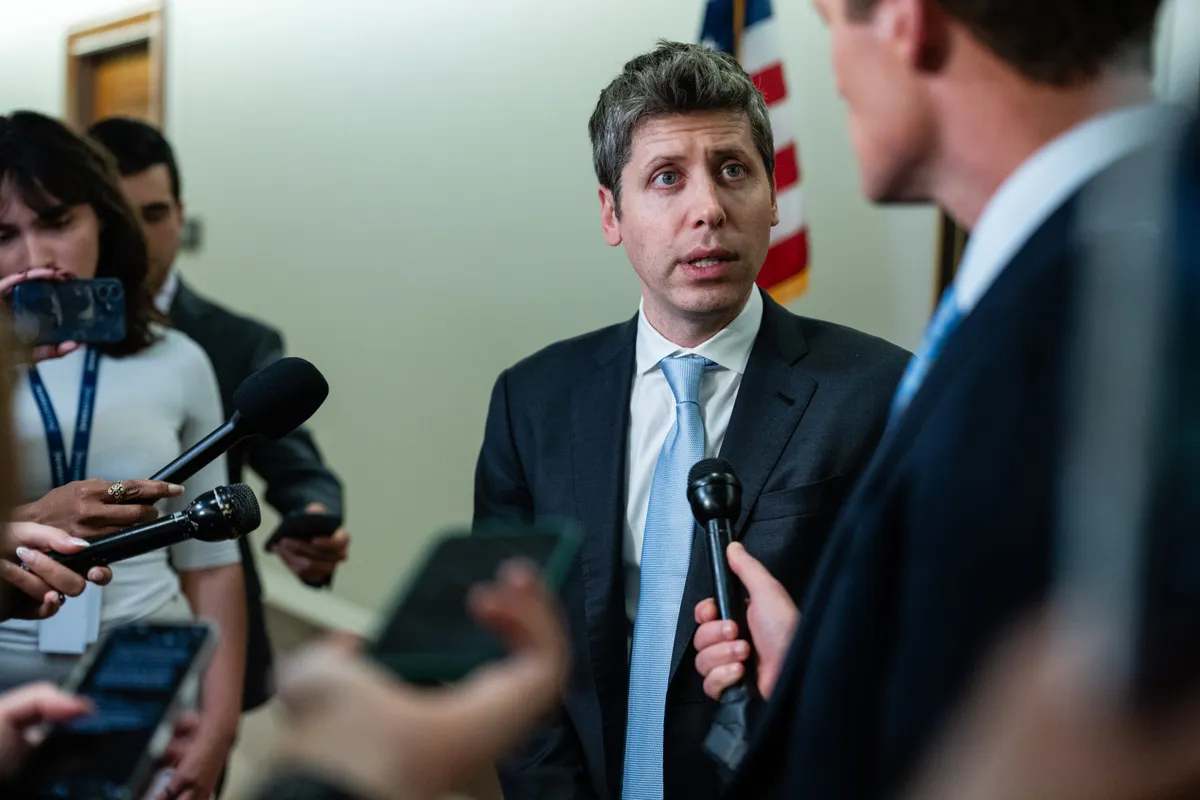
Sam Altman's AI Briefing: Shaping the Future of AI Safety Regulations
OpenAI's Sam Altman is set to brief U.S. officials on the next generation of AI models, focusing on safety and cybersecurity amid rising competition from China. This discussion comes as the U.S. works to establish a framework for AI oversight, crucial in maintaining its technological leadership.
Related articles






Popular in Business Insurance
- Surging War-Risk Insurance Rates in the Strait of Hormuz: What It Means for Shipping
- Ross & Yerger Insurance Faces Class Action Over Data Breach Allegations
- Sompo Expands U.S. Workers' Compensation Portfolio with Service Insurance Acquisition
- Legal Battle Unfolds Over $1 Million Truck Crash Insurance Payout
- Howden Group's Ambitious Journey Toward IPO and Expansion