Navigating Nuclear Verdicts: The Role of AI in Insurance Coverage Analysis
In 2023, US juries awarded over $14.5 billion in nuclear verdicts, prompting a significant need for precise coverage determinations. The launch of Qumis's AI-powered platform aims to address these challenges, ensuring improved accuracy in insurance decisions.

The insurance industry is at a critical juncture as it grapples with the implications of unprecedented nuclear verdicts. In 2023, juries awarded a staggering $14.5 billion in such verdicts, marking a 15-year high. For insurance brokers, carriers, and claims professionals, the stakes have never been higher. Misjudgments in coverage determinations not only threaten financial stability but can also lead to severe reputational damage and potential Errors & Omissions (E&O) liability. In response to this pressing challenge, Qumis, a Chicago-based coverage intelligence platform, has launched an innovative solution: attorney-certified AI agents designed to enhance the accuracy of coverage analyses.
The Rise of Nuclear Verdicts: A Catalyst for Change
Nuclear verdicts—extremely high jury awards that often exceed $10 million—have been on the rise in the United States, compelling insurers and legal professionals to reconsider their approach to coverage analysis. Such verdicts can arise from various claims, including personal injury, product liability, and even employment disputes. The ramifications of these verdicts are profound:
- Financial Implications: A single nuclear verdict can obliterate a company’s financial reserves, leading to increased premiums and potential insolvency.
- Reputational Risks: Companies that face substantial losses may find their reputations tarnished, affecting customer trust and market position.
- Operational Impacts: The fear of nuclear verdicts can lead to conservative underwriting practices, limiting coverage options for consumers.
As these verdicts become more common, the need for precise and reliable coverage determinations is essential for mitigating risks associated with large claims. The potential for coverage errors that go undetected until a claim arises can have dire consequences for brokers and carriers alike.

How Qumis is Transforming Coverage Analysis
Qumis's cutting-edge AI platform aims to combat the risks associated with nuclear verdicts by providing a comprehensive analysis of insurance programs. By leveraging advanced artificial intelligence, the platform is able to analyze insurance policies, endorsements, and carrier forms across 16 lines of business, yielding citation-backed conclusions that enhance the quality of coverage decisions.
Features of the Qumis Platform
The platform boasts several key features that set it apart:
- Specialist AI Agents: Qumis employs a “bench” of specialist agents, each focusing on specific lines of business, from cyber liability to workers' compensation. These agents analyze their respective areas in parallel, allowing for a thorough examination of the entire coverage landscape.
- Uncertainty Management: When data is incomplete, the system highlights uncertainty rather than forcing a conclusion, thereby reducing the risk of inaccurate coverage determinations.
- Comprehensive Work Products: Users receive a finished work product that synthesizes findings into a single deliverable, complete with citations linked to the policy language.
Dan Schuleman, co-founder and CEO of Qumis, emphasizes the platform’s role in improving the quality of coverage decisions. He notes, "AI in insurance has largely been about helping people do the same work faster. We built Qumis to make them more intelligent, so coverage professionals can see the whole program more clearly and make better decisions." This holistic approach is particularly crucial in the current environment of rising verdicts.

The Challenge of AI Adoption in Insurance
Despite the rapid growth of artificial intelligence in various sectors, the insurance industry has been relatively slow to adopt coverage-specific AI solutions. According to a Gallagher survey, while 63% of insurance respondents reported having fully or partially operationalized AI in their practices as of 2026, only a small fraction of carriers have moved beyond pilot programs. The complexity of insurance products and the critical nature of accurate coverage analysis contribute to this hesitancy.
Addressing Gaps in Coverage Analysis
Qumis positions itself strategically within this gap by providing tools that improve the decision-making process rather than merely automating existing tasks. The platform also offers additional functionalities such as:
- Branded proposals that enhance client communication.
- Coverage checklists that ensure all aspects of a policy are considered.
- Interactive dashboards that facilitate real-time insights and reporting.
This transition from static PDF proposals to dynamic, interactive outputs marks a significant shift in how insurance professionals present and analyze coverage options.
Building Trust Through Transparency and Security
The architecture of the Qumis platform is designed with security and privacy in mind. Utilizing what they call “Private Compute,” the platform ensures that each session operates in a dedicated virtual environment, isolating customer data from others. This level of security is crucial for maintaining the confidentiality of sensitive insurance information.
Validation by Experts
Each AI specialist agent is built upon a documented, line-specific coverage framework, reviewed by Qumis’s coverage counsel and validated against representative scenarios. This thorough vetting process ensures that the insights produced by the platform are not only intelligent but also reliable, thereby fostering trust among users.
Key Takeaways
- Nuclear verdicts are rising, with $14.5 billion awarded in 2023.
- Qumis’s AI platform enhances coverage analysis across 16 lines of business.
- The platform emphasizes transparency and security with its Private Compute environment.
- AI adoption in insurance is increasing but remains limited in coverage-specific applications.
- Improved accuracy in coverage determinations can mitigate risks associated with large claims.
Frequently Asked Questions
What are nuclear verdicts and why are they significant?
Nuclear verdicts refer to exceptionally high jury awards, often exceeding $10 million, typically arising from personal injury or liability claims. Their significance lies in their potential to financially devastate companies and influence insurance premiums, underwriting practices, and overall industry standards.
How does Qumis improve coverage analysis?
Qumis enhances coverage analysis through its AI-powered platform that analyzes insurance programs across multiple lines of business, providing citation-backed conclusions. This reduces the likelihood of errors and helps professionals make informed coverage decisions based on comprehensive insights.
What security measures does Qumis implement to protect user data?
The Qumis platform utilizes Private Compute, a dedicated virtual environment that isolates customer data from that of other users. This ensures that sensitive information remains confidential and secure throughout the analysis process.
How can insurance professionals benefit from using Qumis?
Insurance professionals can benefit from Qumis by accessing a sophisticated coverage analysis tool that improves the accuracy of their decisions, reduces E&O liability risks, and enhances client communication through dynamic, branded proposals and interactive dashboards.
Comments
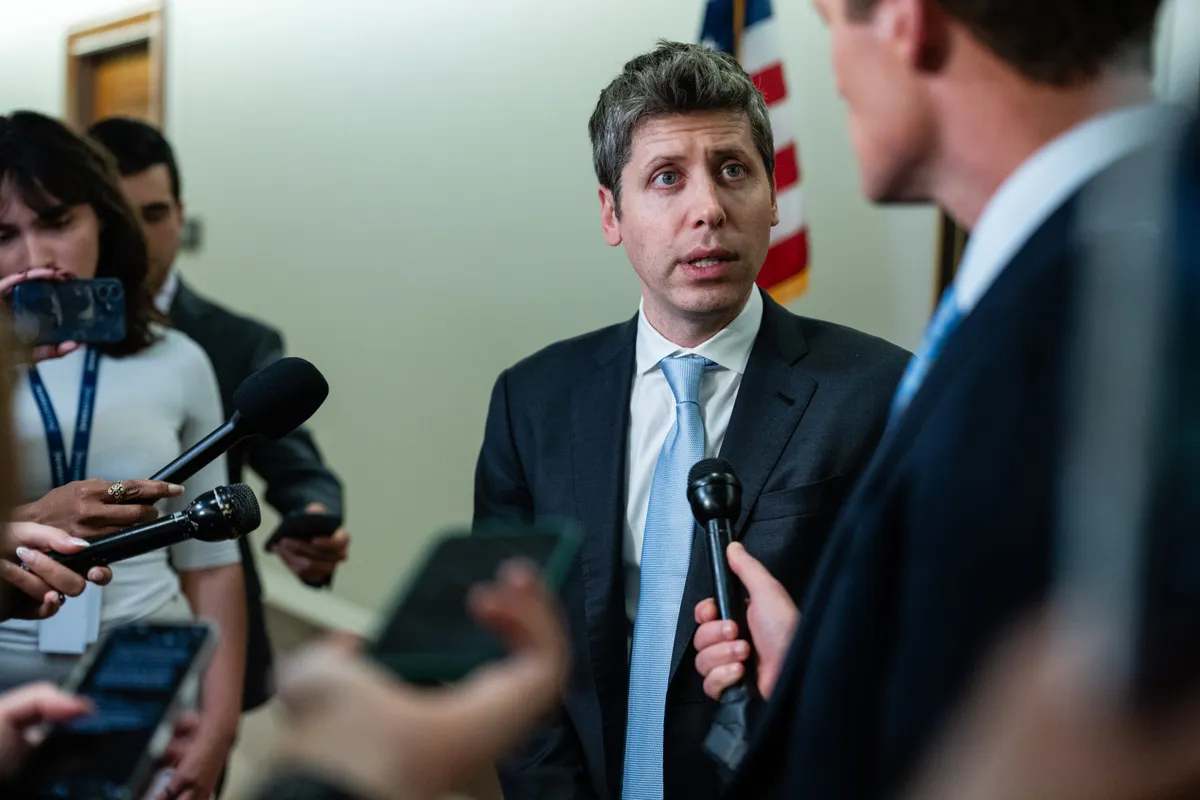
Sam Altman's AI Briefing: Shaping the Future of AI Safety Regulations
OpenAI's Sam Altman is set to brief U.S. officials on the next generation of AI models, focusing on safety and cybersecurity amid rising competition from China. This discussion comes as the U.S. works to establish a framework for AI oversight, crucial in maintaining its technological leadership.
Related articles





Popular in Business Insurance
- Surging War-Risk Insurance Rates in the Strait of Hormuz: What It Means for Shipping
- Ross & Yerger Insurance Faces Class Action Over Data Breach Allegations
- Sompo Expands U.S. Workers' Compensation Portfolio with Service Insurance Acquisition
- Legal Battle Unfolds Over $1 Million Truck Crash Insurance Payout
- Howden Group's Ambitious Journey Toward IPO and Expansion