Federal Investigation into Mark Walter's Insurers Highlights Disclosure Issues
Insurers controlled by Mark Walter face scrutiny over undisclosed investments linked to his business ventures. This investigation reflects broader regulatory concerns in the life insurance sector.

The intersection of sports, business, and regulatory scrutiny is rarely as pronounced as in the case of Mark Walter, the owner of the Los Angeles Dodgers and the Los Angeles Lakers. His insurance companies, Delaware Life Insurance Co. and Clear Spring Life and Annuity Co., have become the focus of a federal investigation that raises critical questions about transparency and disclosure practices within the life insurance sector. As the investigation unfolds, it not only affects Walter's businesses but also sends ripples throughout the insurance industry, which is currently grappling with its own regulatory challenges.
In June, it was revealed that these companies received grand jury subpoenas from federal prosecutors in Manhattan, probing whether they adequately disclosed billions in private credit investments linked to other enterprises within Walter's expansive business empire. This situation underscores the complexities involved in the interplay between insurance investments and ownership structures, highlighting a growing concern among regulators and industry observers regarding related-party transactions.

Background of the Investigation
The federal inquiry into Delaware Life and Clear Spring isn't an isolated event; it is part of a broader regulatory examination into the life insurance industry’s investment practices. Walter's companies are not just typical insurers; they are part of a larger financial ecosystem that includes his role as CEO at Guggenheim Partners, a massive asset management firm with approximately $362 billion in assets under management.
Federal authorities are scrutinizing whether the insurers disclosed that their private credit investments were supporting ventures controlled by Walter. These inquiries began last year and have intensified, with the FBI executing search warrants, including one for a mobile phone. However, the specific details of the investigation remain undisclosed, creating an air of uncertainty around Walter and his business dealings.

Implications of Related-Party Transactions
At the heart of this investigation are the disclosures—or lack thereof—regarding related-party investments. Initially, Delaware Life reported that approximately 3% of its investments, equating to around $1.4 billion, were tied to related parties. However, after internal reviews prompted by the subpoenas, the company discovered that the actual figure was over $17 billion, representing at least 39% of its total invested assets. Such a staggering discrepancy raises significant concerns regarding the governance and oversight within these firms.
The Role of Regulatory Bodies
The National Association of Insurance Commissioners (NAIC) and other regulatory bodies have expressed heightened concern over the increasing involvement of private credit in the life insurance sector. The life insurance industry has seen a dramatic shift towards private investments, with top carriers holding over $352 billion in private illiquid bonds. This trend has prompted calls for greater transparency and stricter oversight, especially regarding how insurers disclose related-party transactions.
Key Regulatory Actions:- NAIC has expanded its oversight of private-equity-owned carriers.
- The US Treasury convened regulators to discuss risks in the sector.
- Portfolio transparency has been prioritized for 2026.

Market Reactions and Financial Stability
The implications of this investigation extend beyond legal scrutiny; they have tangible impacts on the financial stability and market perception of the involved insurers. Following the revelations of significant errors in financial reporting, credit ratings agency S&P Global Ratings adjusted Delaware Life's outlook from stable to negative while maintaining its A- financial strength rating. This downgrade reflects the increasing scrutiny that Delaware Life and Clear Spring will face as they navigate both regulatory oversight and market confidence.
Despite the ongoing investigation, Group 1001, the parent company, asserts that its capital position and liquidity remain strong. They have committed to a remediation plan aimed at reducing exposure to related-party investments and enhancing their financial controls. For policyholders, the immediate impact may be limited, but the long-term implications could influence their confidence in the management of their investments.
Broader Industry Context: The Shift Towards Private Credit
The investigation into Walter's insurers is emblematic of a larger trend within the life insurance industry, where private credit investments are becoming increasingly prevalent. As insurers seek higher yields in a low-interest-rate environment, many have turned to private credit, which poses its own set of risks, including liquidity and concentration challenges.
Moody's and other analysts have raised alarms about these risks, particularly as defaults in the private credit market have been on the rise. The potential for significant losses in this sector could have far-reaching consequences for both insurers and their policyholders, especially if the insurers do not have sufficient capital reserves to cover their obligations.
Key Takeaways
- The federal investigation into Mark Walter's insurers highlights significant disclosure gaps in the life insurance industry.
- Delaware Life's reported exposure to related-party investments was vastly understated, raising governance concerns.
- The investigation reflects broader regulatory scrutiny over private credit investments within the life insurance sector.
- Policyholders are advised to remain informed about the financial stability of their insurers amidst ongoing investigations.
- Regulatory bodies are prioritizing transparency and oversight as private credit investments expand.
Frequently Asked Questions
What are related-party transactions in the insurance industry?
Related-party transactions refer to financial dealings or investments made between a company and its affiliates or stakeholders. In the context of insurance, these transactions can create conflicts of interest and raise concerns about transparency, especially if the insurer does not adequately disclose these investments to regulators and policyholders. The scrutiny surrounding these transactions has intensified as more insurers engage in private credit investments tied to their ownership structures.
How does this investigation affect policyholders of Delaware Life and Clear Spring?
While the immediate impact on policyholders may be limited, the ongoing investigation raises questions about the financial management and governance of their insurers. If the investigations lead to significant litigation or fines, it could affect the companies' financial stability and, consequently, their ability to honor policy obligations. Policyholders should stay informed about developments and consider the financial health of their insurers in light of these events.
What should policyholders do in response to the investigation?
Policyholders should monitor the situation closely and assess their own financial exposure. It may be prudent to consult with a financial advisor to evaluate the potential risks associated with their insurance products, particularly if they have substantial investments tied to Delaware Life or Clear Spring. Understanding the financial health of their insurers and the implications of the investigation can help policyholders make informed decisions about their coverage.
What are the broader implications of this investigation for the insurance industry?
This investigation underscores the urgent need for greater transparency and accountability in the insurance sector, especially as it relates to private credit investments. Regulators are likely to impose stricter oversight and reporting requirements in response to these challenges, which could reshape how insurers operate moving forward. The case also serves as a cautionary tale for other insurers regarding the importance of robust governance and the need to disclose related-party transactions accurately.
Comments
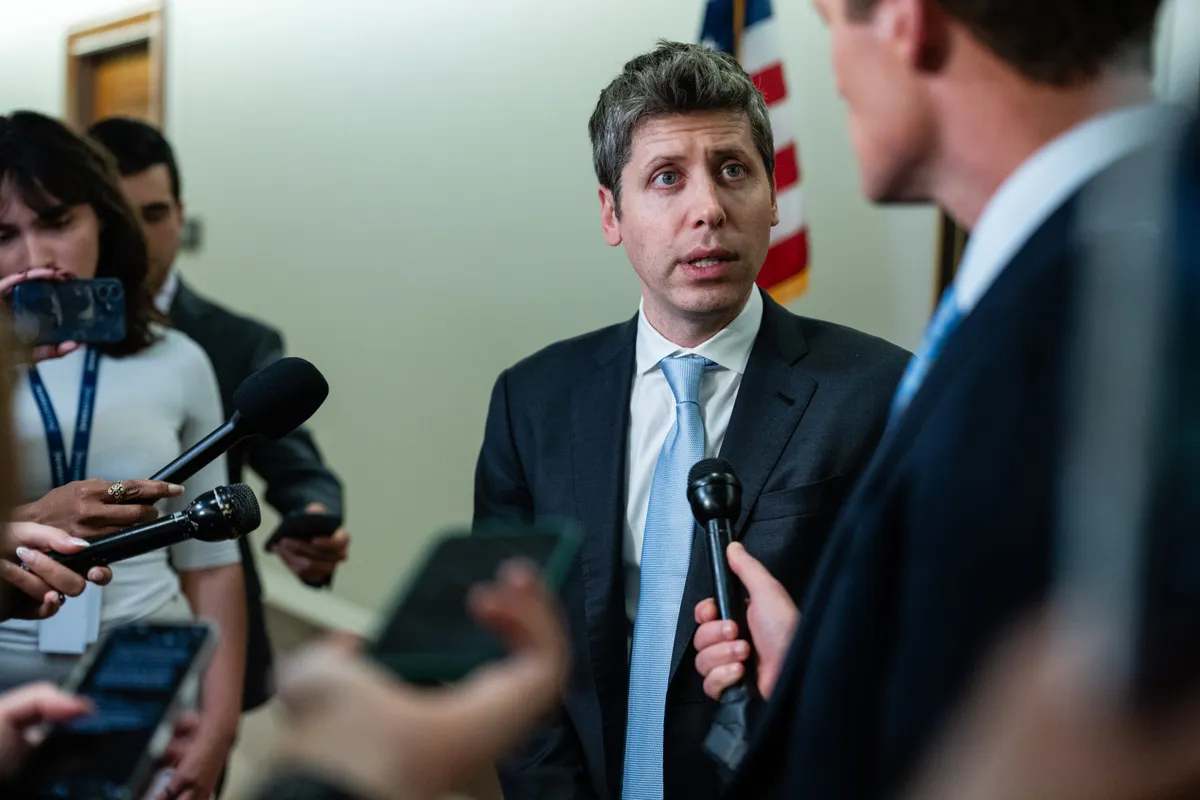
Sam Altman's AI Briefing: Shaping the Future of AI Safety Regulations
OpenAI's Sam Altman is set to brief U.S. officials on the next generation of AI models, focusing on safety and cybersecurity amid rising competition from China. This discussion comes as the U.S. works to establish a framework for AI oversight, crucial in maintaining its technological leadership.
Related articles






Popular in Business Insurance
- Surging War-Risk Insurance Rates in the Strait of Hormuz: What It Means for Shipping
- Ross & Yerger Insurance Faces Class Action Over Data Breach Allegations
- Sompo Expands U.S. Workers' Compensation Portfolio with Service Insurance Acquisition
- Legal Battle Unfolds Over $1 Million Truck Crash Insurance Payout
- Howden Group's Ambitious Journey Toward IPO and Expansion