Citigroup Settles $70 Million Lawsuit with Loomis Sayles Over Trade Losses
Citigroup has reached a settlement with Loomis Sayles regarding a lawsuit over significant trading losses. The case, stemming from allegations of improper trade execution, highlights the challenges of market dynamics and trading practices.
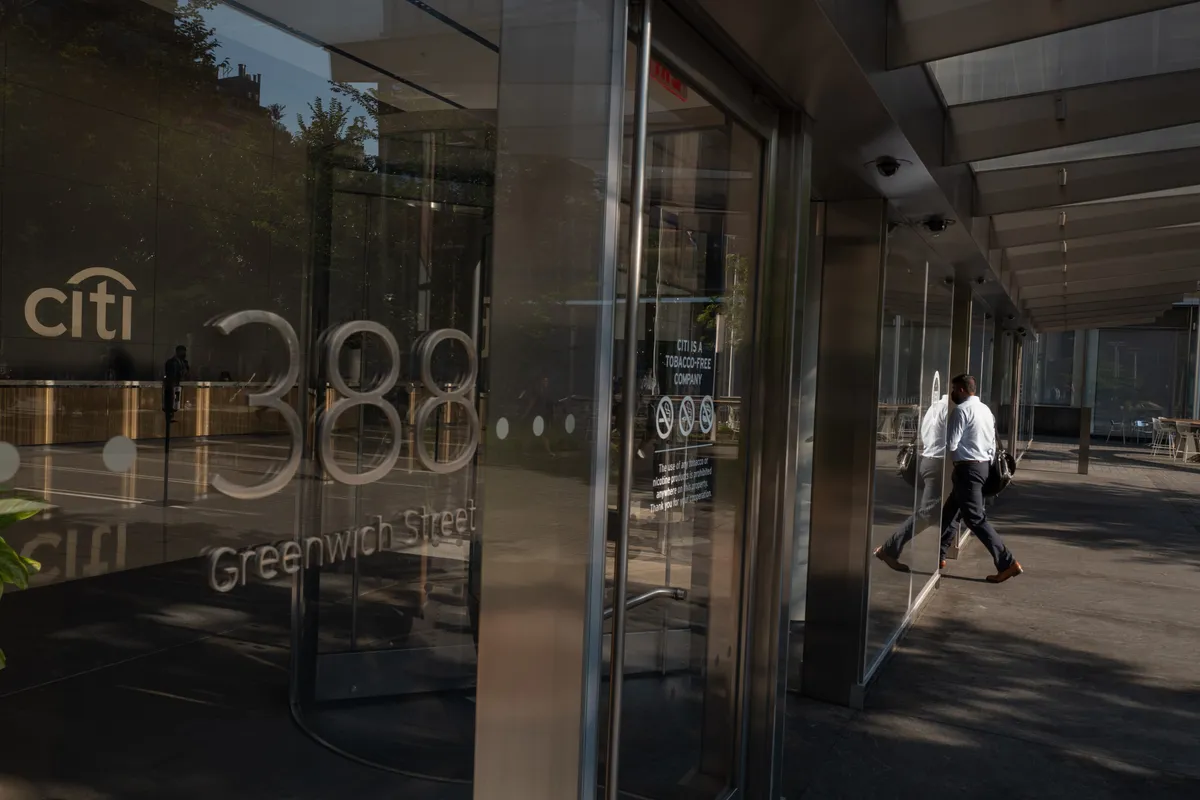
In a significant turn of events for the financial sector, Citigroup Inc. has settled a lawsuit with Loomis Sayles & Co. for over $70 million, a case that has drawn attention to the complexities and potential pitfalls of trading practices in today's volatile market environment. The settlement, announced on August 5, 2026, comes after a lengthy legal battle initiated in 2022, where Loomis Sayles accused Citigroup of causing substantial financial losses due to mishandled trade orders.
The lawsuit specifically alleged that on March 18, 2022, Citigroup's global markets unit, which acted as a broker for Loomis Sayles, failed to execute trading orders in a manner that would avoid impacting market prices. Instead, the bank reportedly placed these orders into a closing auction that lacked liquidity, leading to what the complaint described as "artificially dislocated prices." This resulted in Loomis Sayles suffering significant losses, amounting to more than $70 million.

Understanding the Context of the Lawsuit
The roots of the lawsuit can be traced back to a critical aspect of trading known as execution quality, which refers to how effectively and efficiently trade orders are completed. In financial markets, particularly in large transactions, it is crucial to execute trades in a way that minimizes price impact. This is especially true for institutional investors like Loomis Sayles, which manage large funds that can significantly affect stock prices if not executed properly.
The Trading Dynamics at Play
On the day in question, Loomis Sayles had instructed Citigroup to purchase nearly 800,000 shares of Shopify Inc. and to sell over 5 million shares of Colgate-Palmolive Co. The expectation was that these trades would be executed without unduly influencing the market. However, the bank's decision to enter the orders into a closing auction—a time when trading volumes are typically lower—resulted in a scenario where the prices of the stocks were not reflective of market conditions, leading to the alleged losses.
Legal and Financial Implications of the Settlement
The settlement marks the end of a contentious legal dispute, but it also raises questions about accountability and practices in the trading industry. While the terms of the settlement remain undisclosed, the decision to resolve the matter without further litigation signifies a desire on both sides to avoid the uncertainties associated with a trial.
From a legal standpoint, this case underscores the importance of fiduciary duty that brokers have to their clients. In the financial services industry, brokers are expected to act in the best interests of their clients, and failing to do so can lead to significant legal repercussions. Moreover, the case serves as a reminder of the potential risks associated with trading execution strategies, especially in fast-moving market conditions.

The Broader Market Impact
The implications of this lawsuit extend beyond the immediate parties involved. Market participants are always watching for signs of how trading practices can affect liquidity and price stability. Concerns about execution quality can lead to decreased investor confidence, particularly among institutional investors who may be more vulnerable to market fluctuations caused by poor trade execution.
Moreover, this case may prompt regulatory scrutiny over trading practices, particularly how brokers handle large orders. The Securities and Exchange Commission (SEC) and other regulatory bodies may look into whether there need to be stricter guidelines to ensure proper execution of trades, especially in volatile market conditions.
Steps for Investors to Consider
For investors, the resolution of this case highlights the importance of understanding the intricacies of trade execution and the potential risks involved. Here are a few steps investors can take:
- Conduct Thorough Research: Understand the trading practices of your broker and their approach to executing large orders.
- Stay Informed: Keep abreast of market conditions that can affect liquidity and price stability.
- Ask Questions: Don’t hesitate to ask your broker about their strategies for executing trades, especially large ones.
- Consider Diversification: Diversifying your investment portfolio can help mitigate risks associated with poor execution.

Key Takeaways
- Citigroup has settled a $70 million lawsuit with Loomis Sayles over trade execution issues.
- The case emphasizes the importance of execution quality in trading practices.
- Regulatory scrutiny may follow as a result of this case, impacting future trading guidelines.
- Investors should be proactive in understanding their brokers' trading execution strategies.
Frequently Asked Questions
What led to the lawsuit between Citigroup and Loomis Sayles?
The lawsuit originated from Loomis Sayles's claim that Citigroup caused significant financial losses by mishandling trade orders. Specifically, the bank executed large trades in a manner that adversely affected market prices, contrary to the instructions given by Loomis Sayles.
What are the potential implications of this settlement for the finance industry?
This settlement could prompt increased scrutiny from regulators regarding trading practices. It may lead to more stringent regulations governing how large orders are executed, ensuring that brokers act in the best interests of their clients to minimize market impact.
How can investors protect themselves from similar trade execution issues?
Investors should thoroughly research their brokers' trading practices and understand how they handle large orders. Staying informed about market conditions and asking questions regarding execution strategies can help mitigate risks associated with poor trade execution.
Comments
Strengthening Cyber Defenses in the Age of AI Threats
As artificial intelligence evolves, U.S. officials warn of increasing cyber threats. A strategic shift towards proactive cybersecurity measures is essential for both public and private sectors.

Related articles







Popular in Business Insurance
- Surging War-Risk Insurance Rates in the Strait of Hormuz: What It Means for Shipping
- Ross & Yerger Insurance Faces Class Action Over Data Breach Allegations
- Sompo Expands U.S. Workers' Compensation Portfolio with Service Insurance Acquisition
- Legal Battle Unfolds Over $1 Million Truck Crash Insurance Payout
- Howden Group's Ambitious Journey Toward IPO and Expansion