Mercury General Shows Resilience Amid Wildfire Challenges in Q2 2026
Mercury General Corporation reports a significant improvement in its financial performance in Q2 2026, despite ongoing challenges from catastrophic wildfire losses in California. The company’s combined ratio indicates a strong rebound, highlighting the complexities of the insurance market.

The insurance landscape is ever-evolving, and no company exemplifies this more than Mercury General Corporation. In the second quarter of 2026, Mercury reported a combined ratio of 89.9%, a notable improvement from 92.5% in the same quarter in 2025. This figure is particularly significant given that it comes on the heels of catastrophic wildfire losses that significantly impacted the company's performance in previous years. With a net income soaring by 58.3% to $263.5 million, Mercury's financial health seems to be on the upswing, yet the shadow of past calamities looms large.
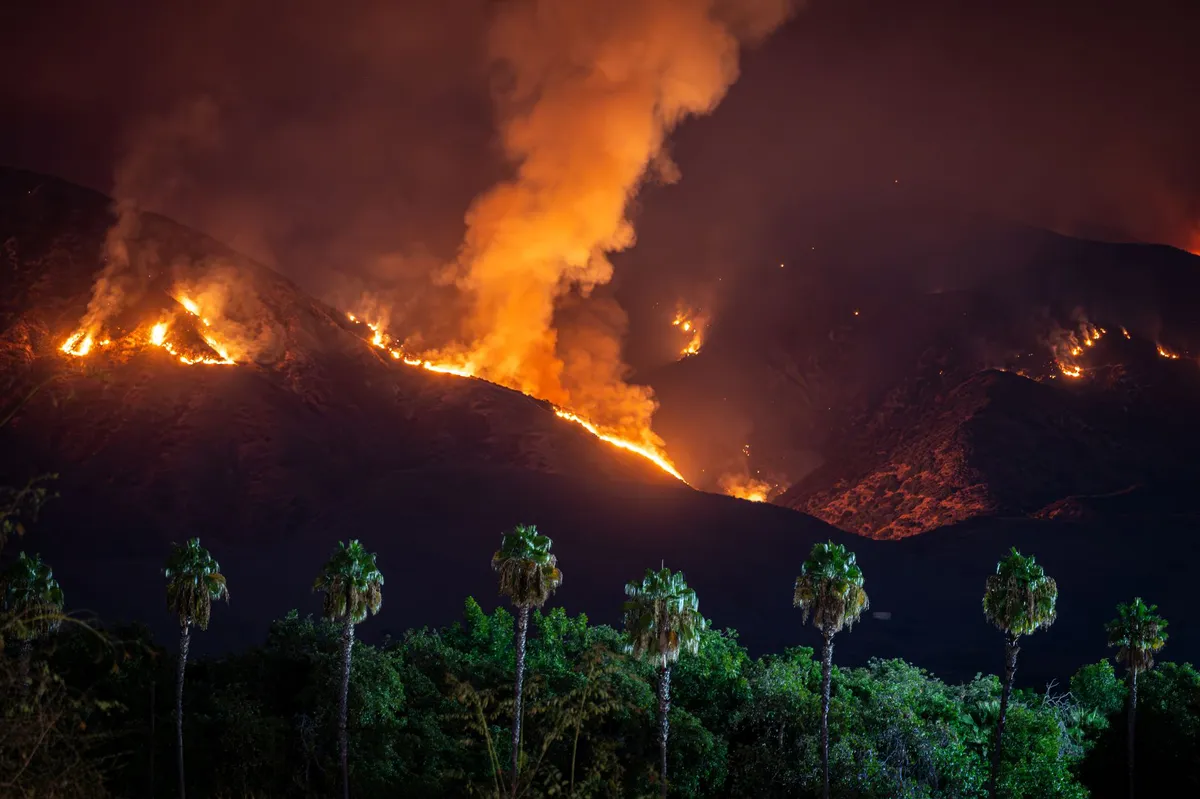
The substantial year-over-year improvement, however, should be viewed with caution. The first half of 2025 saw Mercury grappling with the devastating effects of the Palisades and Eaton wildfires in California, which resulted in a staggering $460 million in catastrophe losses. These figures paint a complex picture of recovery, indicating that while Mercury has made strides, the challenges of the wildfire season are far from over.
Understanding the Combined Ratio and Its Significance
The combined ratio is a key performance indicator in the insurance industry, representing the ratio of losses and expenses to earned premiums. A ratio below 100% indicates that an insurer is making an underwriting profit. Mercury’s improvement to 89.9% in Q2 2026 suggests that the company is effectively managing its claims and expenses relative to premium income.
In the context of the broader insurance market, this ratio is essential for assessing operational efficiency. A decrease in the combined ratio from 92.5% to 89.9% implies that Mercury is not only recovering from previous losses but also enhancing its operational efficiencies and potentially improving its risk management strategies. This is particularly vital in an era where natural disasters are becoming increasingly frequent and severe due to climate change.

The Impact of Wildfires on Financial Performance
Mercury’s financial performance cannot be discussed without acknowledging the devastating impact of the wildfires. The catastrophic losses from the Palisades and Eaton fires were unprecedented, leading to a complete exhaustion of Mercury's reinsurance tower and triggering a $101 million reinstatement premium. The company’s Q2 2026 results still reflect a burden from these past events, as approximately $80 million of catastrophe losses during the quarter stemmed from reserve developments related to these fires.
This ongoing financial strain highlights the need for robust reserve management in the insurance sector. The reserves set aside by insurance companies are critical for covering future claims arising from past catastrophes. In the case of the wildfires, Verisk estimates total insured losses between $28 billion and $35 billion, indicating that the ramifications of these disasters will ripple through the industry for years to come.
Current Market Trends and Responses
In response to the evolving landscape, Mercury is expanding its homeowners insurance portfolio in California, a move that reflects broader industry trends. Under California’s Sustainable Insurance Strategy, insurers can now pursue rate increases if they write more policies in wildfire-affected areas. This policy allows companies to better manage their risk exposure while ensuring they can remain profitable in a challenging environment.
Mercury has capitalized on this opportunity, securing a 6.9% rate increase for its California homeowners policies, which will benefit over 650,000 policyholders. This strategic move not only helps Mercury mitigate the financial impact of past losses but also positions the company for growth in a market that is often perceived as increasingly risky.
Financial Highlights and Future Outlook
Mercury's financial highlights for Q2 2026 are impressive. Net premiums written surged by 5.3% to $1.56 billion, while net premiums earned rose 9.6% to $1.5 billion. The company also reported a significant increase in operating income, up 31.9% to $195.2 million for the quarter. These figures suggest that Mercury is not only recovering from past losses but is also experiencing growth in its core business operations.
The increase in average invested assets to $6.89 billion, up from $5.7 billion a year earlier, further underscores Mercury’s robust financial strategy. With total assets reaching $10.54 billion and shareholders' equity increasing to $2.84 billion, the company appears well-positioned to navigate future challenges. Additionally, a quarterly dividend of $0.3175 per share demonstrates a commitment to returning value to shareholders, further solidifying investor confidence.
Key Takeaways
- Improved Financial Performance: Mercury General's combined ratio improved to 89.9% in Q2 2026, reflecting better operational efficiency.
- Wildfire Challenges Persist: Ongoing reserve developments from past wildfires continue to impact financial results.
- Strategic Growth: The company is expanding its homeowners insurance in California, benefiting from regulatory changes.
- Strong Operating Income: Operating income rose significantly, indicating a rebound from previous losses.
- Shareholder Confidence: Increased dividends and rising assets suggest a positive outlook for investors.
Frequently Asked Questions
What is a combined ratio, and why is it important?
The combined ratio is a measure used by insurance companies to assess their profitability. It is calculated by adding the loss ratio (claims paid to policyholders) and the expense ratio (operating expenses). A ratio under 100% indicates that the company is making a profit on its underwriting activity. For Mercury, the improvement to 89.9% suggests effective management of claims and expenses, critical for long-term sustainability in a competitive market.
How do wildfires affect insurance companies financially?
Wildfires can create significant financial strain on insurance companies due to large payouts for claims. In Mercury's case, the Palisades and Eaton wildfires generated over $460 million in losses. Such catastrophic events force insurers to allocate substantial reserves for future claims, impacting their financial performance for years. The costs associated with wildfires can lead to increased premiums and more stringent underwriting practices across the industry.
What are the implications of California's Sustainable Insurance Strategy?
California's Sustainable Insurance Strategy allows insurers to seek rate increases in wildfire-prone areas if they increase their policy count. This regulatory change encourages insurance companies to remain in high-risk areas and manage their risk exposure. For consumers, this could mean higher premiums but also a more stable insurance market, as companies are incentivized to ensure their financial viability while providing coverage in vulnerable regions.
How does Mercury General plan to manage future wildfire risks?
Mercury General is expanding its homeowners insurance offerings in California and leveraging rate increases to manage future wildfire risks effectively. By utilizing forward-looking catastrophe models and focusing on growing its policy base in high-risk areas, Mercury aims to enhance its risk management strategies. This proactive approach is essential for ensuring the company can withstand the financial pressures of catastrophic events while continuing to serve its policyholders.
Comments
Strengthening Cyber Defenses in the Age of AI Threats
As artificial intelligence evolves, U.S. officials warn of increasing cyber threats. A strategic shift towards proactive cybersecurity measures is essential for both public and private sectors.

Related articles






Popular in Business Insurance
- Surging War-Risk Insurance Rates in the Strait of Hormuz: What It Means for Shipping
- Ross & Yerger Insurance Faces Class Action Over Data Breach Allegations
- Sompo Expands U.S. Workers' Compensation Portfolio with Service Insurance Acquisition
- Legal Battle Unfolds Over $1 Million Truck Crash Insurance Payout
- Howden Group's Ambitious Journey Toward IPO and Expansion