Legal Battle Erupts Over Escrow Disputes in Florida Real Estate Sale
A Florida estate has filed a federal lawsuit against a title agency and underwriter, alleging mishandling of escrow funds linked to personal debts. This case raises critical questions about conflicts of interest and title insurance practices.
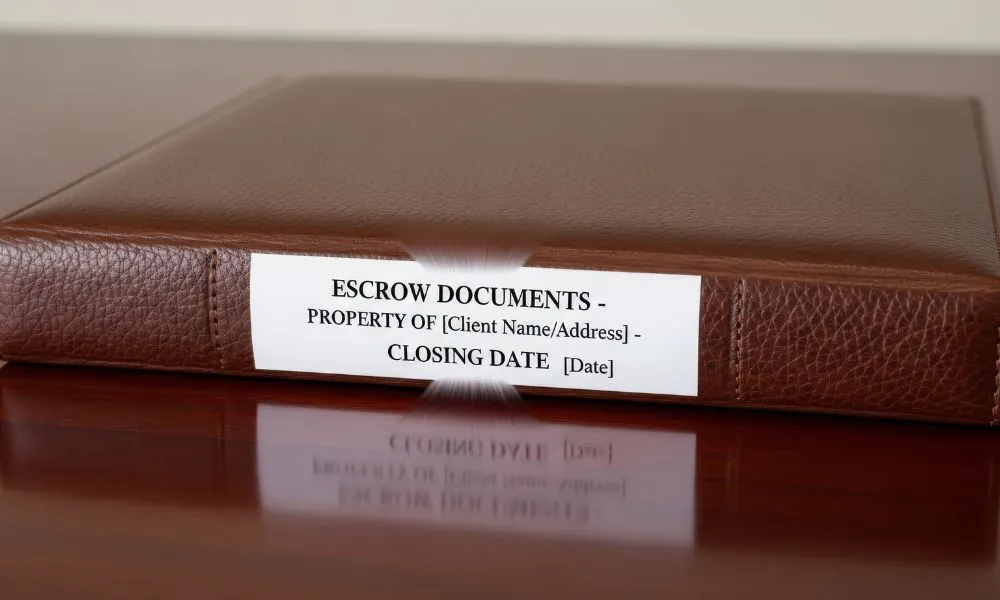
The world of real estate transactions often involves intricate legal frameworks and the management of substantial sums of money, particularly when it comes to escrow accounts. A recent lawsuit in Florida has brought these issues to the forefront, as an estate representative accuses a title agency and its underwriter of improperly withholding escrow funds related to personal debts. This case underscores the significance of understanding the dynamics behind title agencies, the role of escrow, and the potential conflicts of interest that can arise during property transactions.
The complaint, filed on July 20, 2026, in the U.S. District Court for the Southern District of Florida, centers around the sale of a home owned by the plaintiff's deceased mother. The plaintiff, who acted as the personal representative of his mother’s estate, claims that he was forced to freeze nearly $74,000 of the sale proceeds due to debts that were already secured by court bonds. This allegation raises questions not only about the handling of escrow funds but also about the ethical obligations of legal representatives in real estate transactions.
The Parties Involved: A Closer Look
The lawsuit involves several key players: the plaintiff, the title agency—American Title Corp., and the title underwriter, Fidelity National Title Insurance Company. The plaintiff alleges that the closing attorney who represented the estate also owned American Title Corp., creating a conflict of interest that compromised the integrity of the transaction. Conflicts of interest can severely undermine trust in legal and financial dealings, prompting the need for transparency and accountability in the industry.
In this case, the plaintiff claims to have hired the attorney for a flat fee of $1,500 to handle the sale. However, the interconnected ownership of the title agency by the attorney raised immediate red flags about impartiality in the closing process. It is essential for consumers to be aware of such potential conflicts when selecting legal representation, especially in real estate transactions where significant amounts of money are at stake.

The Role of Escrow in Real Estate Transactions
Escrow accounts serve as a neutral holding place for funds during real estate transactions, ensuring that all parties fulfill their obligations before the deal is finalized. In this case, the plaintiff alleges that the closing attorney assured him that his bonded judgments—securities he had posted to appeal personal credit card debt judgments—would not hinder the sale of the property. However, just days before the closing, the attorney allegedly reversed this position, stating that the title underwriter required holdbacks on the bonded judgments as well.
Escrow Mechanics and Their Importance
Understanding the mechanics of escrow is crucial for anyone involved in a property sale. Here are some key points regarding how escrow functions:
- Neutral Third Party: An escrow account is managed by a neutral third party, typically a title company or attorney, who ensures that funds are disbursed according to the terms of the contract.
- Holdbacks: In cases where debts or other claims are involved, holdbacks may be established to protect against potential liabilities, which means that a portion of the sale proceeds is retained until obligations are met.
- Legal Framework: Escrow agreements must comply with state laws and regulations, which are designed to protect the interests of all parties involved.
The plaintiff claims that he was pressured to accept a holdback amount of $73,958.19, which he argues was unfair since the amounts were already secured by bonds. He contends that the escrow requirement exceeded the actual debts, raising concerns about the justification for the additional holdback demands.

Legal Implications and Allegations
The complaint outlines several legal claims against the defendants, including conversion, breach of fiduciary duty, legal malpractice, breach of contract, negligence, and more. These claims suggest a significant breach of trust and responsibility on the part of the title agency and its underwriter. Moreover, the lawsuit references Florida's title insurance framework, specifically pointing to statutory provisions that hold title insurers accountable for misappropriation of trust funds.
Understanding Conversion and Fiduciary Duty
Conversion refers to the unauthorized taking or retention of someone else’s property, while fiduciary duty encompasses the obligation to act in the best interest of another party. In this case, the plaintiff argues that the defendants failed in their fiduciary duty by not adequately addressing the holdback requirements and by allegedly mishandling the escrow funds. The legal ramifications of these claims could lead to significant financial consequences for the title agency and the underwriter if the court rules in favor of the plaintiff.
The Broader Context: Title Insurance in Florida
Title insurance plays a critical role in the real estate market, providing protection against losses due to defects in title and ensuring that property buyers receive clear ownership. In Florida, title insurance operates under a regulatory framework designed to safeguard consumers, but incidents like this lawsuit highlight potential weaknesses in oversight and accountability. The plaintiff cites Florida's appellate bond rule, arguing that cash already deposited with the court should suffice as a bond, rendering the additional escrow unnecessary.
Consumer Awareness and Rights
For consumers involved in real estate transactions, understanding their rights is paramount. This case serves as a cautionary tale, emphasizing the need for vigilance when engaging with title agencies and legal representatives. Consumers should consider the following actions:
- **Research Your Representatives:** Always verify the credentials and potential conflicts of interest of your attorney and title agency.
- **Ask Questions:** Don’t hesitate to ask about the rationale behind escrow requirements and holdbacks.
- **Know Your Rights:** Familiarize yourself with state laws regarding title insurance, escrow accounts, and consumer protection.

Key Takeaways
- The lawsuit highlights the potential for conflicts of interest in real estate transactions.
- Escrow accounts are essential tools for safeguarding funds and ensuring contractual obligations are met.
- Understanding your rights and the legal framework surrounding title insurance is crucial for consumers.
- Litigation can arise from mismanagement of escrow funds and breaches of fiduciary duty.
Frequently Asked Questions
What is an escrow account?
An escrow account is a financial arrangement where a neutral third party temporarily holds funds or assets until specific contractual obligations are met. This mechanism is commonly used in real estate transactions to ensure that both the buyer and seller fulfill their commitments before the sale is finalized. Escrow accounts help protect the interests of all parties involved by providing a secure way to manage funds.
What are the risks of conflicts of interest in real estate transactions?
Conflicts of interest can arise when a single individual or entity has competing interests that could compromise their ability to act impartially. In real estate, this could mean that a closing attorney also owns the title agency, potentially influencing decisions that should be made in the best interest of the client. Such situations can lead to disputes, mismanagement of funds, and legal complications, as seen in the Florida lawsuit.
How can consumers protect themselves in real estate transactions?
Consumers can take several steps to protect themselves in real estate transactions, including conducting thorough research on their representatives, asking detailed questions about the transaction process, and being aware of their rights under state laws. Engaging a qualified attorney to review contracts and agreements can also provide an additional layer of protection and ensure that consumer interests are safeguarded throughout the process.
Comments
Navigating the Evolving Landscape of Private Flood Insurance
As the private flood insurance market expands amidst potential reforms to the National Flood Insurance Program, understanding the dynamics between capacity, demand, and consumer awareness is crucial for homeowners and businesses alike.

Related articles



Popular in Home Insurance
- 2026 Sees Below-Average Severe Convective Storm Losses: What It Means for Insurance
- El Niño and Wildfires: Preparing for a Fire-Prone Future
- Young Affluent Collectors: The Underinsurance Dilemma in Luxury Investments
- Wisconsin Property Owner Sues City and Insurers Over Contamination Cleanup Costs
- Rising Catastrophe Risks: How Europe’s Insurers Are Adapting to Climate Change