Navigating the Evolving Landscape of Private Flood Insurance
As the private flood insurance market expands amidst potential reforms to the National Flood Insurance Program, understanding the dynamics between capacity, demand, and consumer awareness is crucial for homeowners and businesses alike.

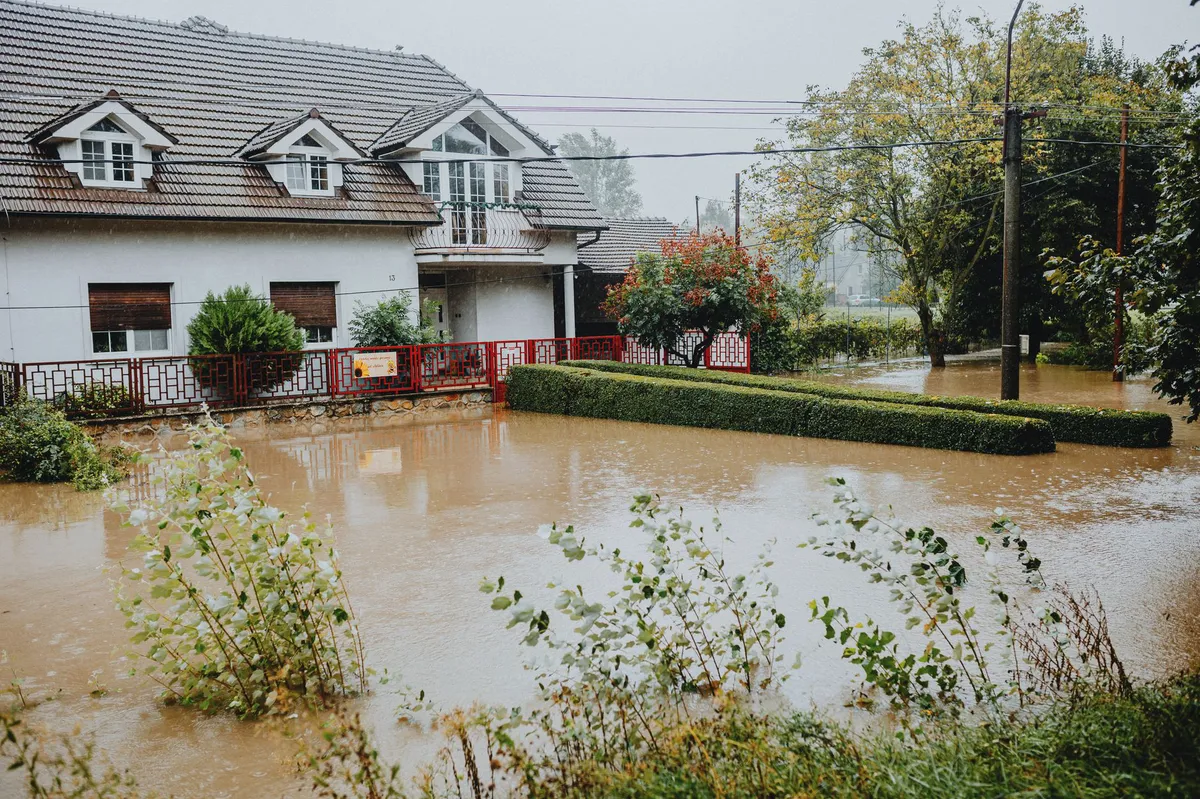
In the face of increasing flood risks due to climate change and urbanization, the private flood insurance market in the United States is poised for significant growth. However, despite this potential, many homeowners and businesses remain hesitant to purchase flood coverage. The upcoming reforms to the National Flood Insurance Program (NFIP) could be a catalyst for change, yet experts indicate that the primary barrier to wider adoption is not a lack of options or capacity, but rather a disconnect between the availability of insurance and consumer demand.
As climate patterns shift and flood risks escalate, the urgency for comprehensive flood insurance becomes more apparent. Yet, many property owners are left unprotected, with only a small fraction of homes currently insured against flooding. This article explores the current state of the private flood insurance market, the implications of potential NFIP reforms, and what consumers can do to ensure they are adequately covered.
The State of the Private Flood Insurance Market
The private flood insurance market is gradually expanding, bolstered by advancements in technology, improved data analytics, and innovative underwriting practices. According to James Brady, property divisional director at Hiscox, insurers are now better equipped than ever to assess risk and provide coverage tailored to individual properties. "We've got more than enough capacity and appetite right here, right now to satisfy the next few years of growth," he asserts.
One of the key factors driving this growth is the ability of insurers to use granular catastrophe models and property-level data. These advancements allow for more precise risk assessments, enabling insurers to offer competitive pricing and customized policies. However, the challenge lies in convincing consumers to recognize the value of flood insurance when standard homeowners policies typically exclude flood coverage.
Understanding the NFIP and Potential Reforms
The NFIP has long served as a safety net for flood insurance in the U.S., yet it is not without its flaws. The program, which was established to provide affordable flood insurance to property owners, is currently facing financial strain and calls for reform. Possible changes could include limiting the NFIP to high-risk areas, depopulation strategies, or even closing to new business altogether.
Such reforms could significantly impact the private flood insurance market. If the NFIP is restructured to become a market of last resort, more homeowners may turn to private insurers for coverage. However, the transition may not be seamless. Experts caution that the interplay between federal and private insurance products needs to be carefully managed to ensure consumers understand their options.

The Consumer Awareness Gap
A major hurdle to increasing flood insurance uptake is consumer awareness and education. Many homeowners are unaware of their flood risk, especially those living outside federally designated high-risk zones. Tom King, flood line underwriter at Hiscox, emphasizes that flood risk is not limited to these areas, stating, "Ultimately, there's no way that only 3% of homes in the U.S. are exposed to flood."
This lack of understanding is compounded by the perception that if a mortgage lender does not require flood insurance, it is unnecessary. This misconception can lead to a dangerous sense of security, particularly in regions that may not have been adequately mapped for flood risk, some of which are based on outdated data from the 1960s.
To bridge this gap, brokers and agents play a crucial role in educating consumers about the importance of flood insurance, particularly as urbanization and climate change continue to alter risk landscapes. They must communicate the value of coverage and help clients navigate the complexities of choosing between federal and private insurance options.

Comparing Private and NFIP Policies
When considering flood insurance, potential policyholders should be aware of the differences between private insurers and the NFIP. For instance, while the NFIP has a residential building limit of $250,000, many private policies offer higher limits and additional features such as replacement cost coverage and loss-of-use protection. This is particularly relevant as rebuilding costs rise and property values increase.
However, transitioning from the NFIP to a private policy can come with challenges. Consumers may lose grandfathered benefits or face increased costs if they switch. Additionally, agents might find the administrative burden of transitioning clients to a private policy cumbersome, which can deter movement away from the NFIP.
As the private market continues to evolve, insurers like Hiscox are expanding their offerings. They are launching products such as Hiscox SURF, designed for more complex business needs, while also maintaining a focus on technology and data-driven underwriting.
Looking Ahead: The Future of Flood Insurance
As the private flood insurance market matures, the way forward will depend significantly on how reforms to the NFIP are implemented. Experts agree that encouraging movement between federal and private products will require greater transparency and education to empower consumers to make informed decisions.
Ultimately, the goal should be to create a more efficient market that meets the needs of property owners across the spectrum. This means ensuring that policies are not only accessible but also clearly communicated in terms of benefits and risks.

Key Takeaways
- The private flood insurance market is expanding due to improved data and technology.
- Consumer awareness is a significant barrier to the uptake of flood insurance.
- Potential NFIP reforms could reshape the landscape for private insurers.
- Comparing private and NFIP policies is essential for understanding coverage options.
- Education and transparency are crucial for increasing consumer adoption rates.
Frequently Asked Questions
What is the National Flood Insurance Program (NFIP)?
The NFIP is a federal program created to provide affordable flood insurance to property owners, renters, and businesses in participating communities. It aims to reduce the financial impact of flooding and promote sound floodplain management practices. However, the program is currently under financial strain, sparking discussions about necessary reforms and how they might affect consumers and the insurance landscape.
Why should I consider private flood insurance over NFIP?
Private flood insurance can offer several advantages over NFIP policies, including higher coverage limits, more flexible underwriting, and additional features like replacement cost coverage. Additionally, private insurers may provide tailored policies that reflect the specific risks associated with your property, unlike the more standardized approach of the NFIP. It’s essential to evaluate both options to determine what best suits your needs.
How can I assess my flood risk?
Assessing flood risk involves examining factors such as your property’s location, historical flood events in your area, and updated flood zone maps. Many online tools and resources, including FEMA’s Flood Map Service Center, can help you understand your risk. Additionally, consulting with insurance agents or flood risk specialists can provide personalized insights into your specific situation.
What steps should I take if I'm interested in flood insurance?
If you're considering flood insurance, start by evaluating your risk and understanding the different coverage options available. Research both private and NFIP policies, and consult with insurance agents to discuss your specific needs. It’s also wise to review your mortgage requirements, as some lenders may mandate flood insurance based on your location. Taking proactive steps now can help protect your property from future flooding risks.
Comments
California's Wildfire Crisis: Luxury Homes Straining Insurance Resources
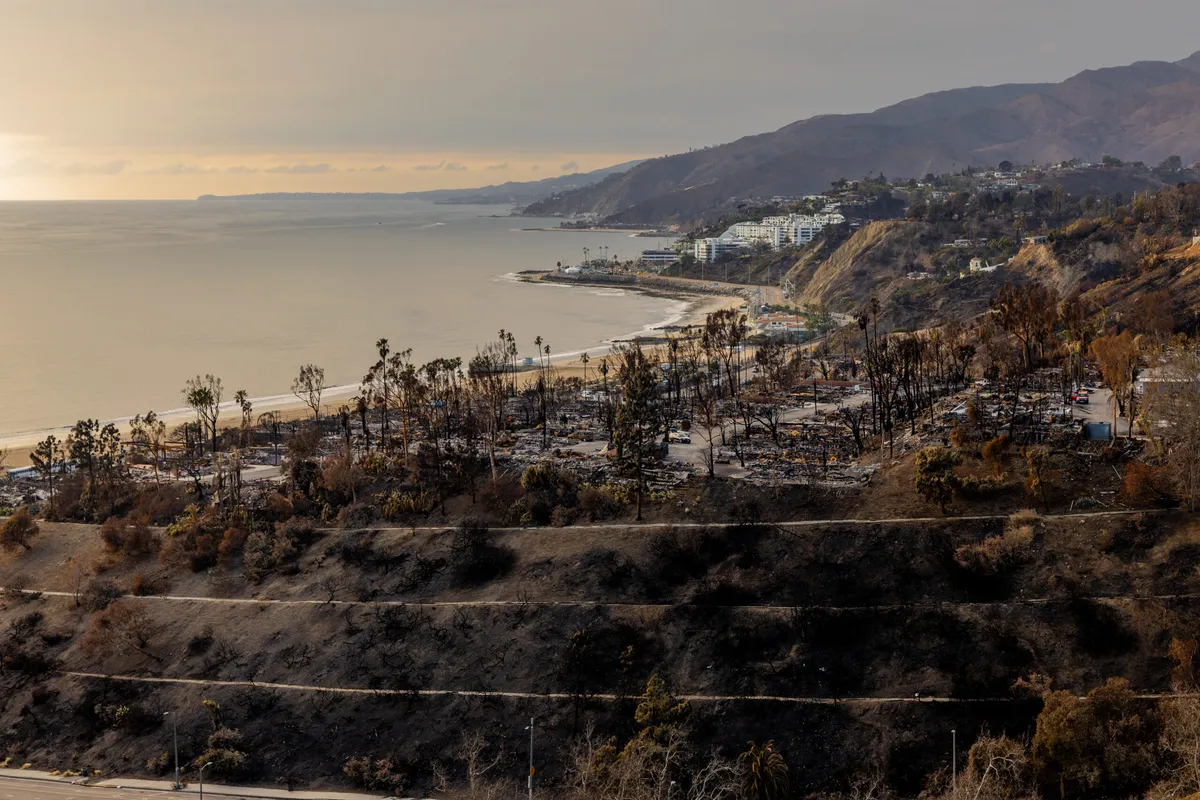
As wildfires intensify in California, luxury homes are disproportionately increasing the risk for the state's insurer of last resort, the FAIR Plan. This trend not only threatens the viability of the program but also impacts homeowners across the state, raising premiums and liability exposure.
Related articles



Popular in Home Insurance
- 2026 Sees Below-Average Severe Convective Storm Losses: What It Means for Insurance
- El Niño and Wildfires: Preparing for a Fire-Prone Future
- Young Affluent Collectors: The Underinsurance Dilemma in Luxury Investments
- Wisconsin Property Owner Sues City and Insurers Over Contamination Cleanup Costs
- Rising Catastrophe Risks: How Europe’s Insurers Are Adapting to Climate Change