California's Wildfire Crisis: Luxury Homes Straining Insurance Resources
As wildfires intensify in California, luxury homes are disproportionately increasing the risk for the state's insurer of last resort, the FAIR Plan. This trend not only threatens the viability of the program but also impacts homeowners across the state, raising premiums and liability exposure.
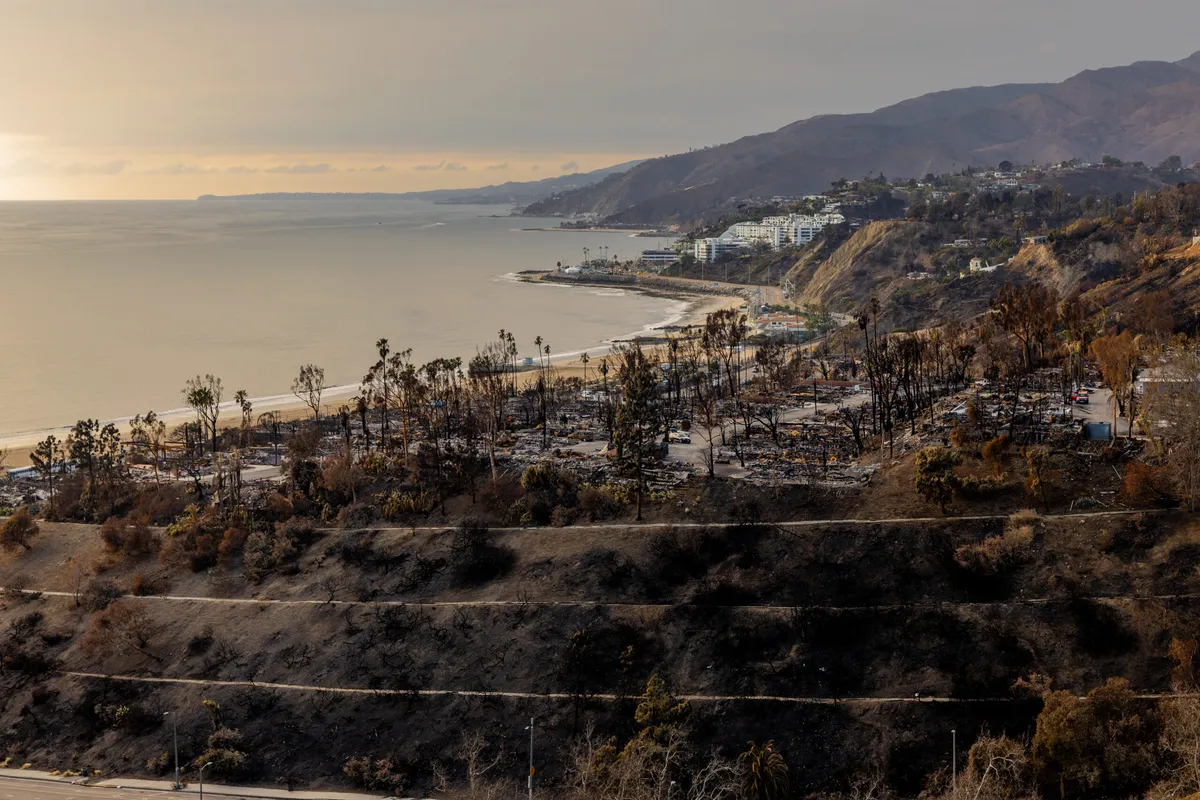
California is grappling with a wildfire insurance crisis that is reshaping the landscape of home insurance in the state. As devastating fires become more frequent and intense, many homeowners are turning to the FAIR Plan (Fair Access to Insurance Requirements), California's insurer of last resort. However, a troubling trend has emerged: an increasing number of luxury homes in affluent neighborhoods are significantly elevating the risk profile for this safety net program. This dynamic threatens not just the sustainability of the FAIR Plan, but also the stability of the broader insurance market, impacting homeowners of all income levels.
The FAIR Plan, created in 1968, was originally designed to provide coverage for properties in high-risk areas that private insurers would not insure. Yet now, as high-net-worth individuals in exclusive areas like Beverly Hills, Malibu, and Bel Air seek coverage, the program has become a lifeline for multimillion-dollar properties situated in fire-prone regions. According to a Bloomberg News analysis, just nine zip codes account for approximately 7% of the FAIR Plan's total liability exposure, equating to a staggering $44 billion as of September 2025. This substantial financial burden represents a 135% increase in liability exposure since 2022, raising alarms about the program's future viability.
The Growing Risk of Luxury Homes
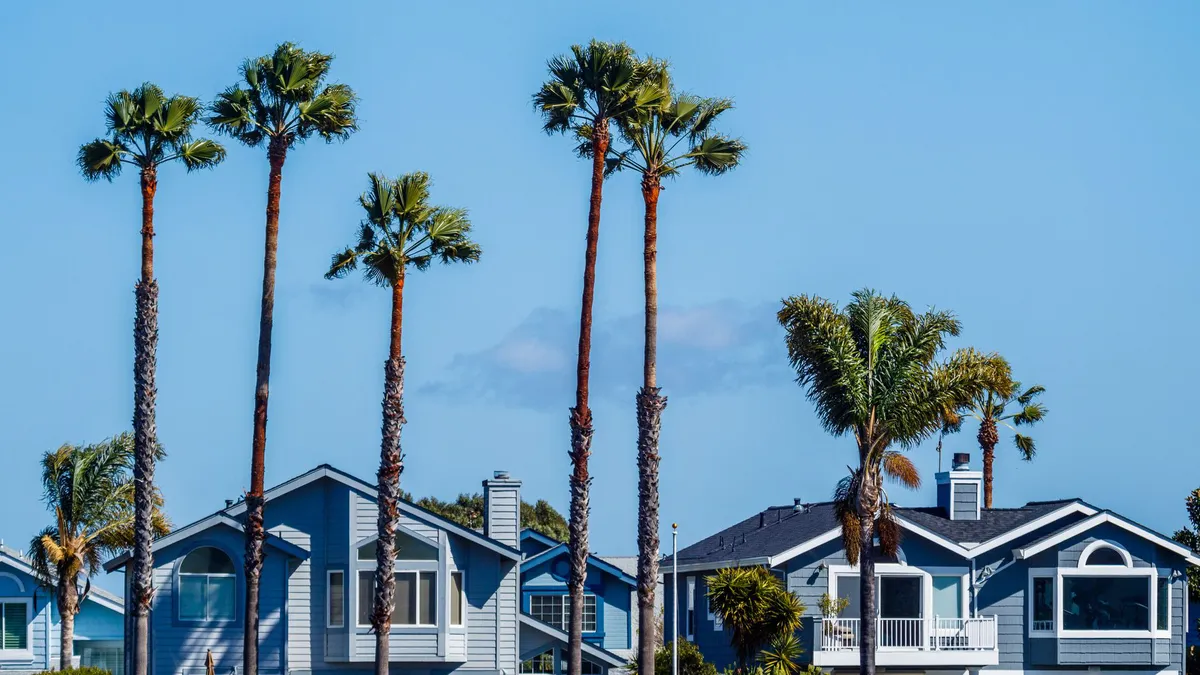
The concentration of risk among high-value properties is particularly alarming. For instance, a single affluent Lake Tahoe zip code, where almost half of the homes are second residences, now poses a risk of $9 billion. Similarly, the mountain resort community of Lake Arrowhead, with about 60% of its homes classified as second properties, carries a $7 billion liability burden. These luxury neighborhoods not only represent a significant portion of the FAIR Plan's risk but also contribute to rising costs for all policyholders.
Impact on Premiums and Market Stability
As the FAIR Plan absorbs more risk from high-end communities, the financial implications are widespread. Homeowners in lower-risk areas, often middle-income families, are inadvertently subsidizing the wildfire losses of their wealthier counterparts. A study from the University of California at Berkeley has shown that the escalating costs associated with insuring high-value homes are disproportionately affecting policyholders in moderate-risk zones, leading to increased premiums across the board.
This subsidy effect raises critical questions about the fairness and sustainability of the FAIR Plan. According to Nancy Wallace, a professor at UC Berkeley's Haas School of Business, the challenge lies in how to address the growing liability exposure without exacerbating the financial burden on middle-income households. As a result, many are left wondering if the current insurance framework can be maintained.

Legislative and Regulatory Challenges
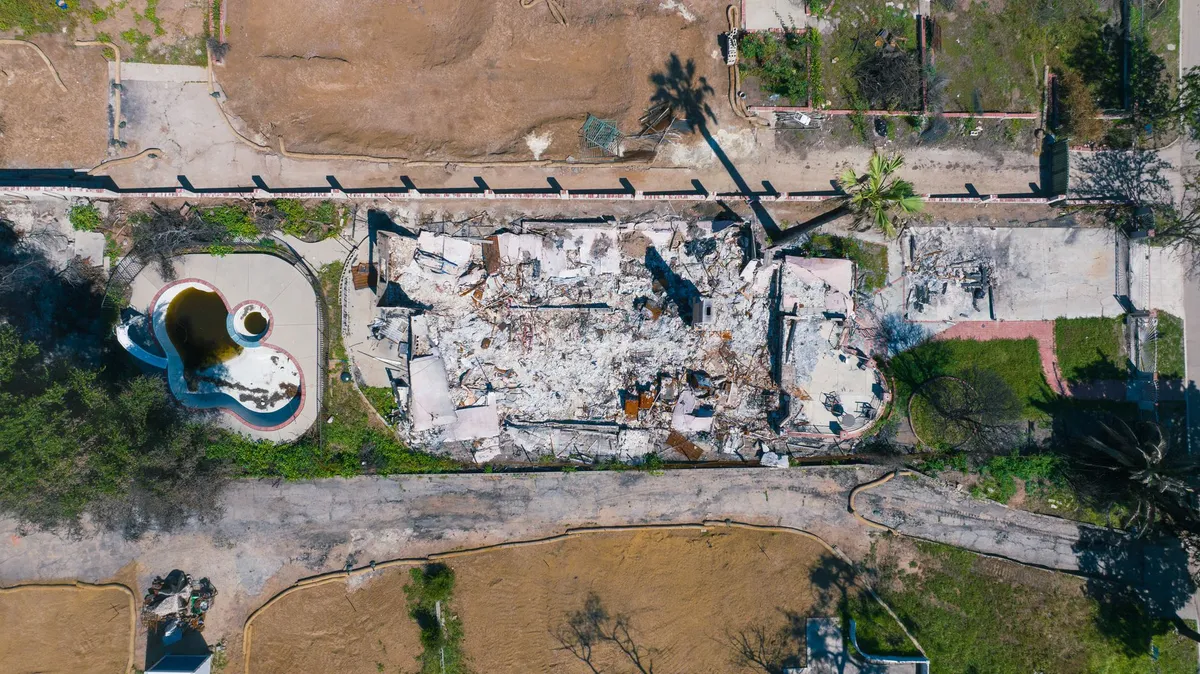
The California Department of Insurance has taken steps to address these challenges, such as allowing the FAIR Plan to collect additional funds from insurers to bolster its reserves. Following the devastating fires in Los Angeles in 2025, the FAIR Plan faced a potential $3 billion liability in the wealthy Pacific Palisades area alone. In response, the Department authorized the FAIR Plan to collect $1 billion from insurers, which ultimately resulted in increased premiums for all policyholders in the state, ranging from $11 to $176 annually for two years.
The implications of these regulatory actions are significant, as they highlight the interconnectedness of the insurance market. The FAIR Plan’s reliance on the state's insurers means that the financial burdens are not confined to high-value homes but ripple out to affect all homeowners. The challenge remains for regulators to balance the needs of high-risk areas with the financial realities of the broader market.
Policy Limitations and Future Solutions
The FAIR Plan's limitations are also noteworthy. Currently, it caps policy payouts for high-value homes at $3 million, a figure that many experts argue is insufficient given the current market conditions. Michael Wara, director of the climate and energy policy program at Stanford University, suggests that properties valued at such high amounts should perhaps not rely on a public insurance option. He advocates for excluding second homes from the FAIR Plan, forcing those homeowners to seek coverage from less-regulated insurers in the “non-admitted” market.
This shift could help mitigate the financial strain on the FAIR Plan while encouraging high-net-worth individuals to seek insurance solutions that better reflect their risk profiles. However, such changes would require significant political will and a willingness to confront the evolving realities of climate change and its impact on residential property.
Key Takeaways
- Luxury homes in California are significantly increasing the liability exposure for the FAIR Plan.
- Middle-income households are subsidizing wildfire losses for higher-value properties.
- Increased premiums for all policyholders are a direct consequence of the FAIR Plan's financial burdens.
- Regulatory changes may be needed to address the challenges posed by high-value homes.
- Excluding second homes from the FAIR Plan could reduce its financial exposure.
Frequently Asked Questions
What is the FAIR Plan?
The FAIR Plan, or Fair Access to Insurance Requirements, is California's insurer of last resort designed to provide homeowners with insurance coverage when private insurers refuse to offer it, particularly in high-risk areas. Established in 1968, it aims to ensure that all homeowners have access to some form of insurance, regardless of their property’s location or risk profile.
How does the increase in luxury homes affect insurance premiums?
The increase in luxury homes in fire-prone areas is leading to a disproportionate rise in liability exposure for the FAIR Plan. As a result, the costs associated with insuring these high-value properties are spreading to all policyholders, particularly affecting middle-income households by increasing their premiums. This trend raises questions about the fairness and sustainability of the insurance system in California.
What steps are being considered to address the insurance crisis in California?
California regulators are contemplating various measures to stabilize the insurance market, including reforms to the FAIR Plan that would allow for quicker reviews of rate hike requests from insurers. Additionally, proposals have been made to exclude second homes from the FAIR Plan to limit its exposure to high-value properties. These potential changes aim to balance the needs of high-risk areas with the financial realities of the broader insurance landscape.
Why is the FAIR Plan important for California homeowners?
The FAIR Plan plays a critical role in providing insurance coverage to homeowners who cannot obtain it from private insurers, particularly in fire-prone regions. As wildfires become more prevalent, the FAIR Plan serves as a safety net for many, ensuring that even those in high-risk areas have access to insurance. However, the increasing financial strain on the FAIR Plan raises concerns about its long-term viability and the implications for all California homeowners.
Comments
Navigating the Evolving Landscape of Private Flood Insurance
As the private flood insurance market expands amidst potential reforms to the National Flood Insurance Program, understanding the dynamics between capacity, demand, and consumer awareness is crucial for homeowners and businesses alike.

Related articles



Popular in Home Insurance
- 2026 Sees Below-Average Severe Convective Storm Losses: What It Means for Insurance
- El Niño and Wildfires: Preparing for a Fire-Prone Future
- Young Affluent Collectors: The Underinsurance Dilemma in Luxury Investments
- Wisconsin Property Owner Sues City and Insurers Over Contamination Cleanup Costs
- Rising Catastrophe Risks: How Europe’s Insurers Are Adapting to Climate Change