Tropical Storm Bertha: Impacts on Gulf Coast Insurers and Property Owners
Tropical Storm Bertha has prompted significant precautions among Gulf Coast insurers, including the suspension of new policies by Citizens Property Insurance. This article explores the implications for property owners and the insurance market amidst shifting storm dynamics.
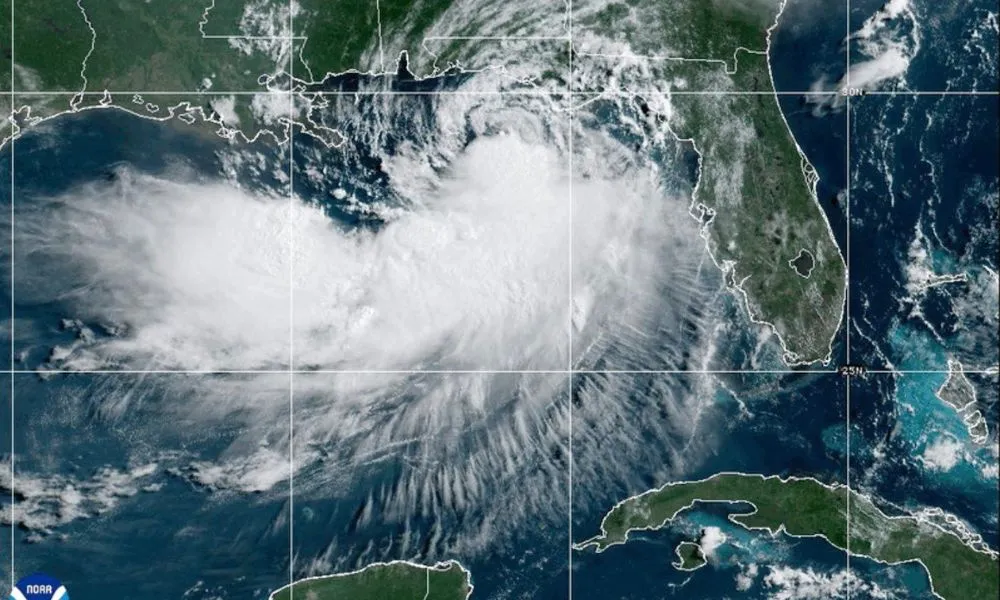
As Tropical Storm Bertha gathers strength in the Gulf of Mexico, insurers across the Gulf Coast are bracing for its potential impact. Citizens Property Insurance Corporation, Florida's insurer of last resort, has acted swiftly by suspending new policies and coverage modifications statewide. This precautionary measure, which took effect at 11 a.m. on July 19, is triggered whenever the National Hurricane Center issues a tropical storm or hurricane watch or warning for any part of Florida. The implications of Bertha’s trajectory are significant, not only for the property insurance market but also for homeowners and businesses that rely on robust coverage against storm-related damages.
As Bertha develops, it has maximum sustained winds of 50 mph and is moving northwest at 5 mph, positioning itself approximately 110 miles south of Panama City, Florida. With a tropical storm warning extending from the Florida-Alabama border to parts of Louisiana, meteorologists predict that Bertha will travel near the northern Gulf Coast, raising concerns about heavy rainfall, flooding, and wind damage. Although not expected to escalate into a major hurricane, its slow movement is likely to exacerbate the risk of storm surge and inland flooding, which brings its own set of challenges for insurers and policyholders alike.

Understanding the Insurance Landscape During Tropical Storms
The response from Citizens Property Insurance Corporation is indicative of a broader trend in the Gulf Coast insurance market. Over the past two years, insurers have worked diligently to reduce their exposure to catastrophic losses from hurricanes and tropical storms. This period of cautious underwriting reflects the heightened risks associated with climate change, which has made storm patterns increasingly unpredictable and destructive.
The Mechanics of Coverage Suspensions
When a tropical storm warning is issued, insurers like Citizens are mandated to halt the writing of new policies and any changes to existing coverage. This decision is rooted in the potential for significant claims stemming from the impending storm. By suspending new business, insurers can better manage their risk exposure, ensuring that they can fulfill obligations to policyholders who have already secured coverage.
Claims and Coverage Complexity
The impending storm raises critical questions about claims processes and the types of coverage homeowners and businesses need. In the case of wind damage, homeowners typically rely on their standard property insurance policies, which include specific hurricane or named-storm deductibles. However, damages resulting from rising water or storm surge fall under a different category.
- Wind Damage: Covered by homeowners or commercial property insurance.
- Flood Damage: Requires separate flood insurance, generally not included in standard policies.
- Claims Complexity: Damage from multiple sources necessitates meticulous documentation.
Standard homeowners, renters, and condominium policies do not cover flood damage, including storm surge, which must be purchased separately through the National Flood Insurance Program (NFIP) or private flood insurance providers. This distinction is crucial, as damage caused by wind may allow rainwater to penetrate a structure, while water entering from the ground or coastal areas is classified as flooding. The documentation of water lines, structural damage, and the timing of each type of damage can significantly influence how claims are allocated between property and flood insurers.

The Potential for Business Interruption
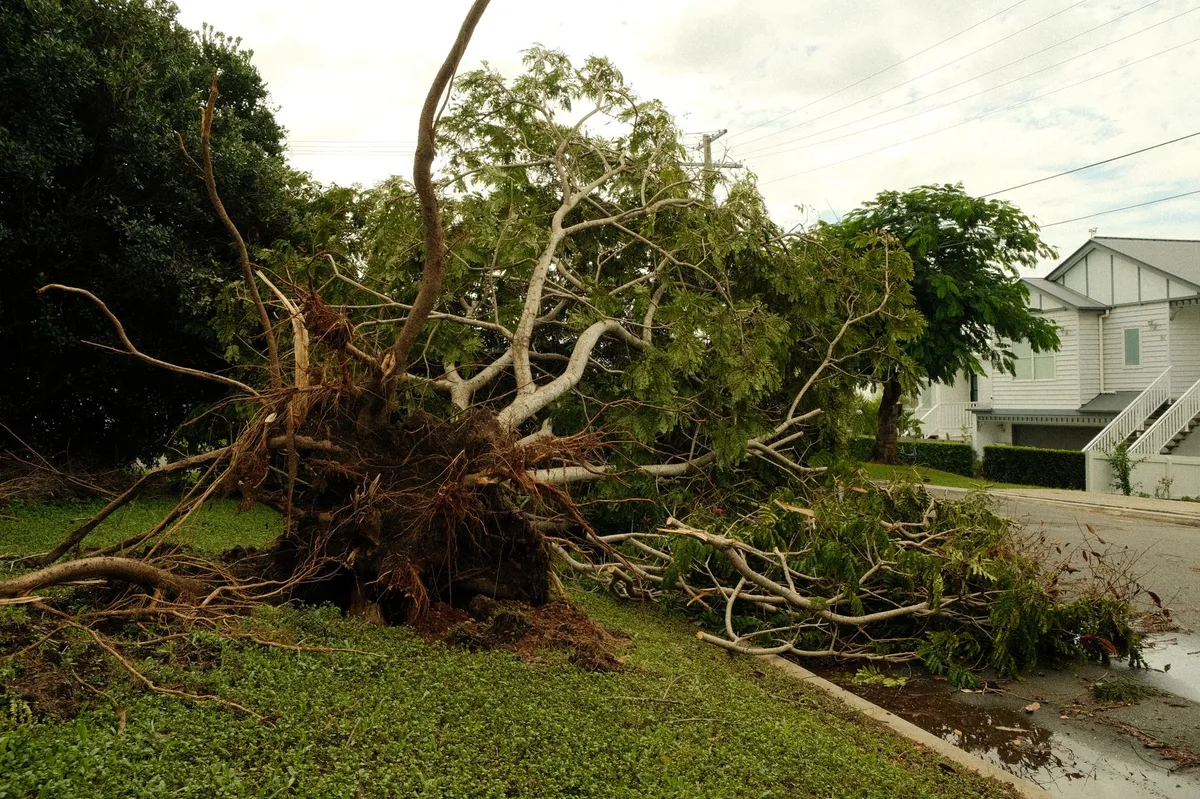
Insurers are not the only entities at risk during a storm like Bertha; businesses too can face substantial challenges. Even when physical damage to a property is minimal, companies can suffer from business interruption due to power outages, road closures, and restricted access to facilities. This is particularly relevant for businesses in coastal areas, such as those in marine, cargo, hospitality, and construction sectors. The potential for high water levels can halt operations and damage equipment left at temporary sites, leading to significant financial losses.
Preparing for Storm Season: Key Considerations for Property Owners
As the Atlantic hurricane season progresses, property owners must be proactive in understanding their insurance options and preparing for potential storms. Here are some key considerations:
Review and Update Your Coverage
Property owners should take the time to review their existing insurance policies, ensuring they have appropriate coverage for both wind and flood damage. Consulting with an insurance agent can help clarify the specifics of what is covered and what is not. Given the complexity of claims during storm events, having a clear understanding of policy terms is essential.
Document Property Condition
Before a storm hits, it is wise to document the current condition of the property. Taking photographs and keeping records of any existing damage can help substantiate claims in the aftermath of a storm.
Consider Flood Insurance
Given that standard homeowners insurance does not cover flood damage, property owners in high-risk areas should seriously consider obtaining flood insurance. The NFIP offers policies that can protect against flood-related losses, which can be particularly devastating.
Key Takeaways
- Tropical Storm Bertha has prompted Citizens Property Insurance to suspend new policies in Florida.
- Wind damage is typically covered under homeowners insurance, while flood damage requires separate coverage.
- Businesses may face interruptions even without physical damage due to storms.
- Property owners should document conditions and review their insurance coverage proactively.
- Consider flood insurance through the NFIP, especially in coastal areas.
Frequently Asked Questions
What should I do if I need to file a claim after Tropical Storm Bertha?
If you need to file a claim after Tropical Storm Bertha, ensure you have all necessary documentation ready. This includes photographs of damage, receipts for repairs, and any relevant correspondence with your insurance provider. Contact your insurer as soon as possible to initiate the claims process, and be prepared for potential delays due to high claim volumes following the storm.
How does the suspension of new policies affect current policyholders?
The suspension of new policies primarily affects individuals looking to purchase new coverage or modify existing policies. Current policyholders remain covered under their existing terms, but it's vital for them to understand what their policies entail, especially concerning exclusions related to storm damage.
Are there any resources for understanding flood insurance options?
Yes, the National Flood Insurance Program (NFIP) offers a wealth of information about flood insurance options, including how to apply and what coverage is included. Additionally, private insurers may provide alternative flood insurance solutions that could be worth exploring. It's advisable to consult with an insurance agent to determine the best coverage options for your needs.
Comments
Navigating the Evolving Landscape of Private Flood Insurance
As the private flood insurance market expands amidst potential reforms to the National Flood Insurance Program, understanding the dynamics between capacity, demand, and consumer awareness is crucial for homeowners and businesses alike.

Related articles


Popular in Home Insurance
- 2026 Sees Below-Average Severe Convective Storm Losses: What It Means for Insurance
- El Niño and Wildfires: Preparing for a Fire-Prone Future
- Young Affluent Collectors: The Underinsurance Dilemma in Luxury Investments
- Wisconsin Property Owner Sues City and Insurers Over Contamination Cleanup Costs
- Rising Catastrophe Risks: How Europe’s Insurers Are Adapting to Climate Change