Understanding the Surge in Home Insurance Claims Severity: Key Insights
A recent report reveals that home insurance claims severity reached an all-time high in 2025, driven by inflation and climate-related catastrophes. This article explores the implications for homeowners and insurers alike.

The home insurance landscape is undergoing significant changes, as highlighted by the latest findings in the 2026 U.S. Home Trends Report released by LexisNexis Risk Solutions. The report unveils a startling statistic: claims severity has reached an all-time high, increasing by a staggering 25.9% from the previous year. This rise in claims severity is not merely an isolated concern; it reflects broader economic and environmental trends that are reshaping the insurance industry.
In contrast to the rising severity, the frequency of claims has declined significantly, dropping by 23.8% from 2024 to 2025. These contrasting trends raise critical questions about the state of home insurance, particularly for policyholders who may be grappling with higher premiums and changing coverage landscapes. Understanding the factors behind these shifts is crucial for homeowners looking to navigate this evolving market.
Trends in Claims Severity and Frequency
According to the report, while the overall loss cost across all perils decreased by 4.4%, the severity of individual claims reached its highest level in seven years, reflecting a 93.2% increase since 2019. This notable surge indicates that although fewer claims are being filed, the financial impact of those claims has grown significantly. This phenomenon has serious implications for both insurers and homeowners.
Key Factors Driving Increased Severity
- Inflation-Driven Replacement Costs: The cost of materials and labor has surged, significantly impacting the amount insurers must pay to settle claims.
- Climate Change: An increase in climate-related catastrophes, such as wildfires and severe storms, is contributing to the rise in claims severity.
- Changing Loss Patterns: The types of perils causing loss have shifted, necessitating adjustments in how insurers approach risk assessment and pricing.
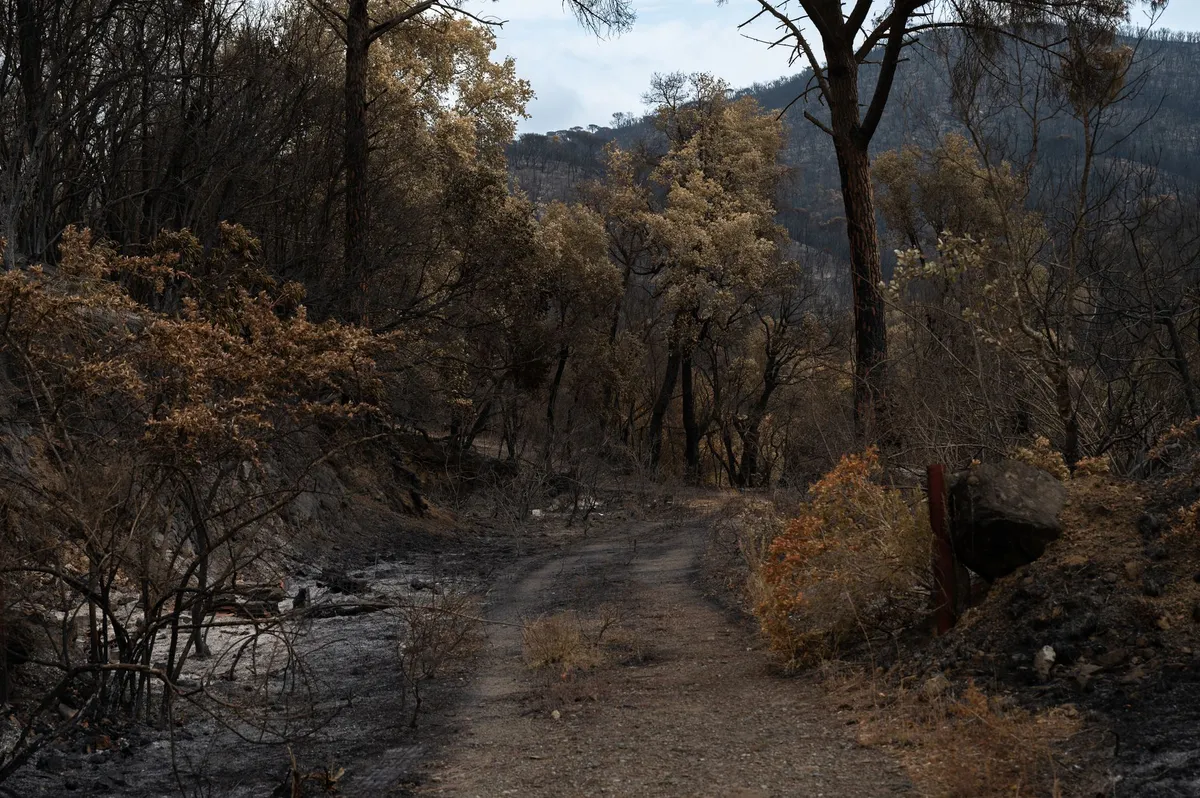
One of the most defining events of 2025 was the Los Angeles wildfires, which propelled fire and lightning to the forefront of perils affecting home insurance. Loss costs related to these events increased by 76.8%, with the frequency of such claims rising by 6% and severity soaring by 67.3%. The implications for homeowners in wildfire-prone areas are particularly profound, as they may face higher premiums or stricter policy terms.
The Impact on Homeowners
For homeowners, the implications of rising claims severity are manifold. As insurers grapple with increased costs, many are likely to pass these expenses onto policyholders in the form of higher premiums. Additionally, homeowners may find it challenging to secure coverage, especially in high-risk areas where insurers may opt to limit their exposure.
What Homeowners Should Consider
As the insurance landscape shifts, homeowners should take proactive steps to protect themselves:
- Review Your Policy: Ensure your coverage adequately reflects the current value of your home and possessions.
- Consider Risk Mitigation: Invest in home improvements that can reduce risk, such as fire-resistant materials and updated safety features.
- Shop Around: With the market evolving, it may be time to compare quotes from different insurers to find the best coverage at a competitive rate.
The Role of Catastrophes in Claims Trends
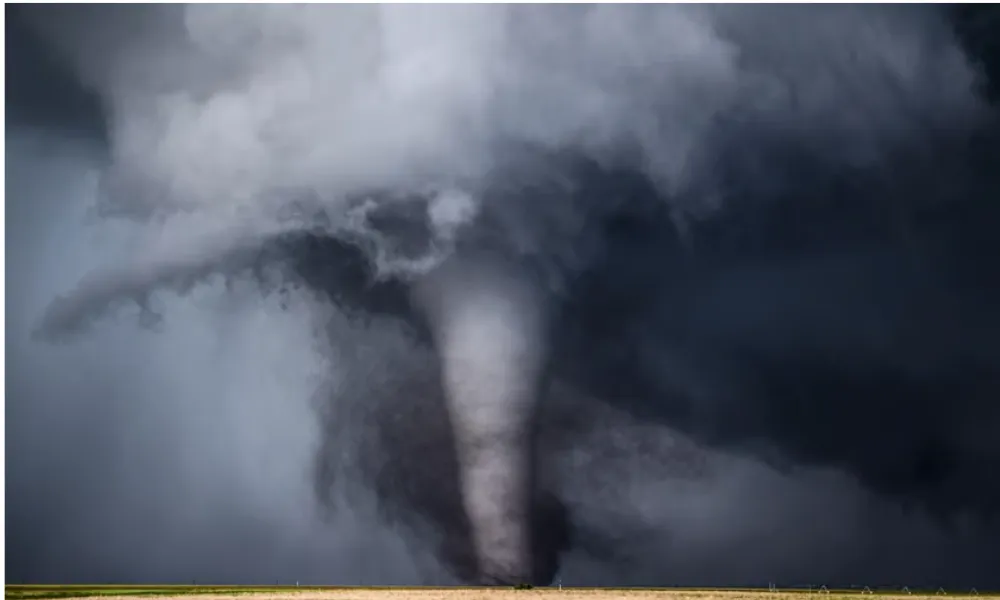
Catastrophic events have a profound impact on claims severity and frequency trends. The report notes that catastrophe claims fell to 51% in 2025, a decrease from the previous year. Notably, the absence of hurricanes during the 2025 Atlantic hurricane season contributed to this decline. However, the costliest event of 2025 was a central tornado outbreak that occurred in March, which ranks as the second most expensive tornado event in recent history.
State-Specific Insights
Different states are experiencing varying impacts from these trends. California, for instance, reported the highest loss cost due to wildfires, while Nebraska recorded the highest loss cost for claims across all perils over the last seven years. These regional discrepancies underscore the importance of localized risk assessments and tailored insurance solutions.

Insurers Adapting to New Realities
Insurance companies are not merely passive observers in these changing dynamics; they are actively adapting their strategies to navigate the complexities of rising claims severity. Insurers are increasingly focusing on data analytics and risk modeling to refine their underwriting processes. By leveraging advanced technologies, insurers can gain deeper insights into loss patterns, enabling more accurate pricing and risk assessment.
Future of Home Insurance
The future of home insurance will likely hinge on how well insurers can adapt to ongoing economic pressures and climate-related challenges. As loss costs continue to trend upward, especially in the wake of severe weather events, the market may see a shift toward more comprehensive policies that account for emerging risks. Homeowners must stay informed and engaged in this evolving landscape to ensure they are adequately protected.

Key Takeaways
- Claims severity for home insurance reached an all-time high in 2025, increasing 25.9% from the previous year.
- While claims frequency has declined, the financial impact of those claims has increased significantly.
- Homeowners should review their insurance policies and consider risk mitigation strategies to address rising costs.
- Regional variations exist in claims severity, with certain states experiencing more significant impacts than others.
- Insurers are adapting their approaches to underwriting and risk assessment in response to changing market dynamics.
Frequently Asked Questions
What does rising claims severity mean for homeowners?
Rising claims severity indicates that when claims are filed, they are costing insurers significantly more than before. This often translates to higher premiums for homeowners, as insurers adjust their pricing to account for increased expenses associated with settling claims. Homeowners may need to evaluate their coverage options and consider making improvements to reduce risk.
How can I mitigate the impact of rising insurance costs?
Homeowners can take several steps to mitigate the impact of rising insurance costs, including reviewing and updating their policies, investing in risk-reducing home improvements, and shopping around for competitive quotes from multiple insurers. Engaging with insurance agents and seeking advice on coverage options can also help homeowners make informed decisions.
Are certain areas more affected by these trends?
Yes, specific areas are more affected by rising claims severity and frequency than others. Regions prone to natural disasters, such as wildfires or tornadoes, often see higher loss costs and more significant impacts on insurance rates. Homeowners in these areas should be particularly vigilant about their insurance coverage and consider tailored policies that reflect the unique risks they face.
What should I do if I can't find affordable insurance?
If you are struggling to find affordable insurance, consider reaching out to a licensed insurance agent who specializes in your area. They can help you explore different coverage options, including state-sponsored programs that may be available for high-risk homeowners. Additionally, you may want to consider increasing your deductible or bundling your insurance policies to reduce overall costs.
Comments
Understanding Wildfire Risk: The Shift from Territory Models to Verified Mitigation
As homeowners face nonrenewals of their property insurance due to wildfire risks, understanding the limitations of traditional pricing models is crucial. This article explores how verified mitigation efforts can reshape insurance outcomes for homeowners and brokers alike.

Related articles

Popular in Home Insurance
- 2026 Sees Below-Average Severe Convective Storm Losses: What It Means for Insurance
- El Niño and Wildfires: Preparing for a Fire-Prone Future
- Young Affluent Collectors: The Underinsurance Dilemma in Luxury Investments
- Wisconsin Property Owner Sues City and Insurers Over Contamination Cleanup Costs
- Rising Catastrophe Risks: How Europe’s Insurers Are Adapting to Climate Change