Florida Court Overturns $335,000 Jury Award Against Universal Property
In a significant ruling, a Florida appeals court reversed a jury's substantial $335,000 verdict against Universal Property & Casualty, citing a lack of adequate valuation evidence. This case sheds light on the complexities surrounding insurance claims and the importance of proper documentation.
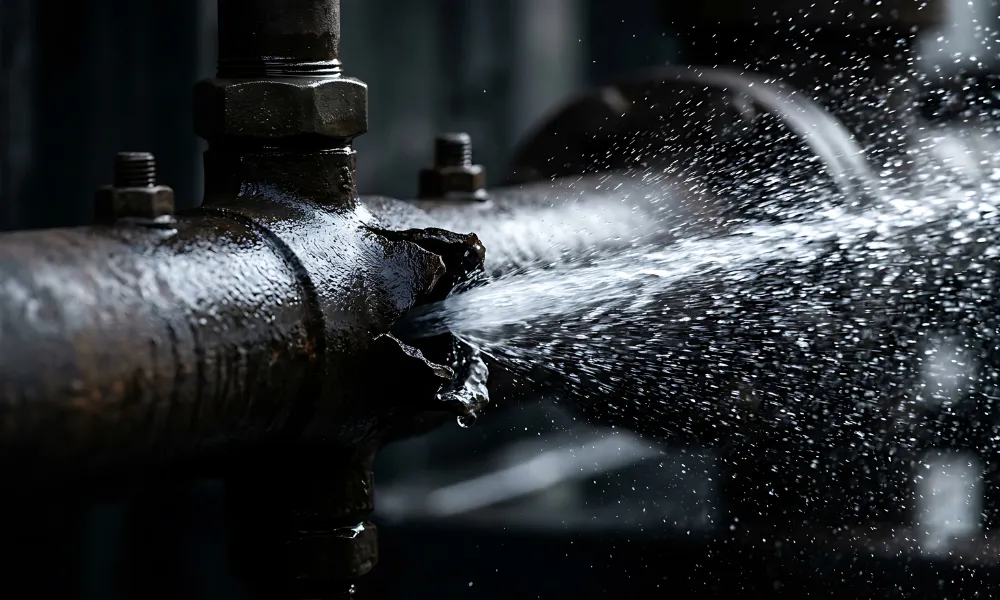
In a noteworthy legal development, a Florida appeals court has reversed a jury's verdict that awarded $335,000 against Universal Property & Casualty, a decision that raises questions about the validity of jury-awarded damages in insurance disputes. The ruling arrived on July 22, 2023, following a protracted legal battle that began almost four years earlier when water damage devastated a couple's home. This case not only highlights the intricacies of insurance claims but also underscores the pivotal role that accurate valuation evidence plays in determining the outcome of such disputes.
The Incident: Water Damage and Initial Claims
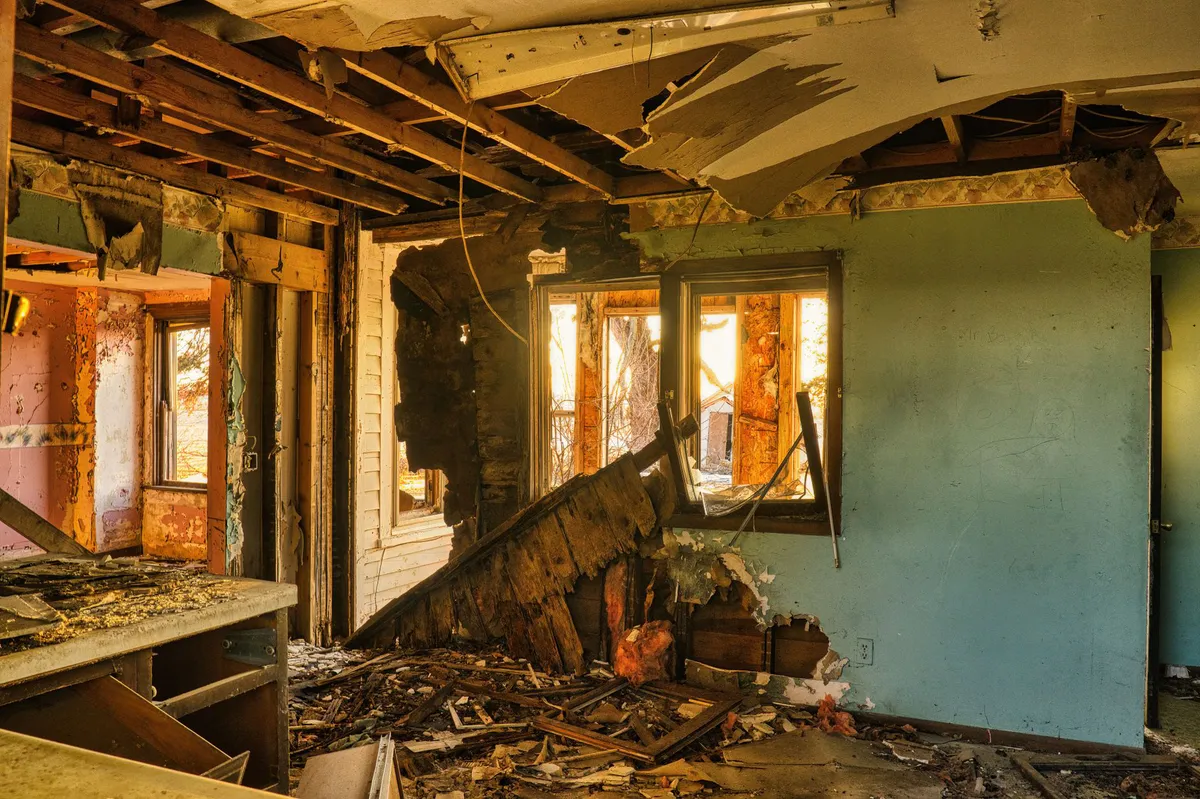
The saga began in late December 2019 when homeowners experienced significant water and sewage backup through multiple fixtures in their residence, including the washing machine drain, kitchen sink, dishwasher, bathtub, and toilet. This catastrophic event led to extensive damage, prompting the couple to file a claim with Universal Property & Casualty. The insurer conducted an inspection and assessed the covered water damage, valuing the replacement cost at just over $12,000. After accounting for depreciation and the deductible, the insurer paid the homeowners approximately $7,000 in actual cash value (ACV).
Homeowners Seek More
Unhappy with the insurer's assessment, the homeowners contended that the underlying cast-iron drainage system beneath their home's slab had failed due to rust, corrosion, and breaks, necessitating a full replacement. This disagreement led to a lawsuit filed in 2021. Tragically, one of the homeowners passed away before the trial, but the surviving owner remained determined to pursue the case, which eventually went to trial in September 2024.
Trial Proceedings: Access and Valuation Disputes
As the trial approached, the legal arguments narrowed significantly, focusing primarily on one key question: access. While the homeowners sought compensation for replacing the defective drainage system, their insurance policy explicitly excluded costs related to unclogging, repairing, or replacing pipes. However, it did cover the expenses associated with tearing out and repairing parts of the home necessary to access plumbing that required repair or replacement.
The Jury's Task
The jury was tasked with determining whether the drainage system indeed needed replacement and, if so, what the value of the access work would be. The surviving homeowner's testimony painted a grim picture of ongoing plumbing issues, stating that every time someone showered, brown, gritty water would back up into the tub, requiring manual removal. Basic household tasks became cumbersome as dishes had to be washed in a bucket and dumped outside.
Valuation Evidence: The Heart of the Dispute
During the trial, the jury was presented with limited financial evidence regarding the cost of repairs. Two estimates from Triad Restoration Services indicated a replacement cost value (RCV) of $79,680.22 and an ACV of $50,219.97. Additionally, a signed repair contract from another company was introduced, but the monetary amounts had been redacted, leaving the jury with scant evidence to justify their final decision.
Jury’s Verdict and Its Implications
Despite the lack of strong valuation evidence, the jury returned with a striking award of $335,000 in RCV, or $305,000 in ACV—figures that were several times higher than any documented estimates presented during the trial. This unprecedented award raised eyebrows, as it contradicted established valuation principles within the insurance industry. The appeals court subsequently ruled that economic damages should not be based on "jury speculation or guesswork," emphasizing that no witness had provided concrete figures regarding potential inflation, price increases, or any associated slab-and-backfill work.

Judicial Reversal: What It Means for Homeowners and Insurers
The appeals court did not absolve Universal Property of liability; instead, it recognized that the insurer owed additional covered benefits to the homeowners. However, it firmly rejected the jury's award amount, sending the case back for further proceedings to determine the appropriate measure of damages, whether RCV or ACV.
The Importance of Proper Documentation
This case serves as a critical reminder for homeowners navigating the complex landscape of insurance claims. Proper documentation and accurate valuation evidence are paramount when filing a claim. Homeowners must be prepared to substantiate their claims with detailed estimates and clear evidence of damages to ensure they receive fair compensation. This is particularly important in cases involving significant property damage, where the stakes are high and the potential for disputes is substantial.
Key Takeaways
- Understanding Valuation Evidence: Accurate documentation is crucial in insurance claims to support any claimed damages.
- The Role of the Jury: Jury awards must be based on concrete evidence, not speculation or assumptions.
- Homeowners' Rights: Homeowners have a right to pursue claims, but they must substantiate them effectively to avoid unfavorable outcomes.
- Insurer Obligations: Insurers are required to provide fair compensation based on documented assessments of damages.

Frequently Asked Questions
What should homeowners do if they disagree with their insurance company's valuation?
If homeowners disagree with their insurance company's valuation of damages, they should first gather detailed documentation, including photographs, repair estimates, and any relevant correspondence. Homeowners can then request a review of the claim from the insurance company or consider hiring an independent adjuster to provide a second opinion. If disputes persist, legal action may be necessary, but it is advisable to seek legal counsel to understand the implications and processes involved.
How can homeowners ensure they are adequately covered against water damage?
Homeowners can take proactive steps to ensure adequate coverage against water damage by reviewing their insurance policies and understanding the specifics of coverage limits and exclusions. It may be beneficial to consider additional endorsements or riders that specifically address water damage, such as sewer backup coverage. Regular home maintenance, including plumbing inspections, can also minimize risks and potential claims.
Why did the court reverse the jury's award?
The court reversed the jury's award because it found that the amount was unsupported by adequate valuation evidence. The appeals court emphasized that economic damages awarded by a jury must not rely on speculation or guesswork. In this case, the only financial estimates presented were significantly lower than the jury's award, leading to the conclusion that the jury's decision was not grounded in factual evidence.
What could happen next for the homeowners?
Following the appeals court's ruling, the case has been sent back for further proceedings to determine the appropriate measure of damages. The court instructed the lower court to decide whether replacement cost value (RCV) or actual cash value (ACV) should be used in assessing the homeowners' claims. This means that the homeowners may still have the opportunity to receive additional compensation, but it will depend on the outcome of the new proceedings.
Comments
Understanding Wildfire Risk: The Shift from Territory Models to Verified Mitigation
As homeowners face nonrenewals of their property insurance due to wildfire risks, understanding the limitations of traditional pricing models is crucial. This article explores how verified mitigation efforts can reshape insurance outcomes for homeowners and brokers alike.

Related articles
Popular in Home Insurance
- 2026 Sees Below-Average Severe Convective Storm Losses: What It Means for Insurance
- El Niño and Wildfires: Preparing for a Fire-Prone Future
- Young Affluent Collectors: The Underinsurance Dilemma in Luxury Investments
- Wisconsin Property Owner Sues City and Insurers Over Contamination Cleanup Costs
- Rising Catastrophe Risks: How Europe’s Insurers Are Adapting to Climate Change