Florida Court Ruling: Insurers Must Prove Prejudice in Claim Denials
A recent ruling by Florida's Second District Court of Appeal emphasizes that insurers must prove prejudice to deny claims based on late notice, reshaping the legal landscape for policyholders and insurers alike.

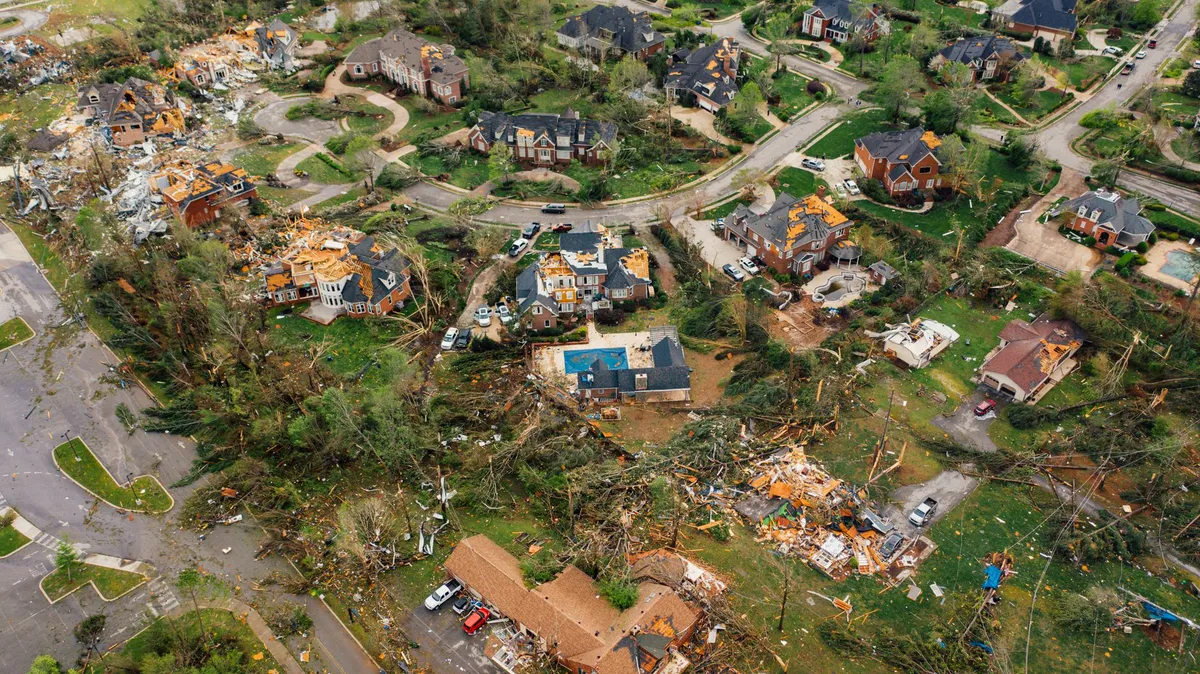
In a landmark decision that could significantly alter the insurance landscape in Florida, the Second District Court of Appeal ruled on July 22, 2026, that insurers may have to prove prejudice when denying claims based on late notice. This ruling arose from a case involving the Wild Oak Bay Owners Association, which faced substantial property damage due to Hurricane Irma on September 10, 2017. The association did not submit a claim until nearly three years later, on July 29, 2020, leading to complex legal battles that highlighted critical aspects of insurance law and the responsibilities of both insurers and policyholders.
The appellate court's ruling has implications beyond the immediate case, potentially affecting how insurers draft their policies and how they handle claims moving forward. Insurers are now on alert: the wording of their notice clauses is crucial, and the presumption of prejudice in late claims may no longer be a safe assumption.
Understanding the Case Background
The Wild Oak Bay Owners Association's delay in reporting the damage was described by the trial court as a “1053-day delay.” After the storm, minutes from the association's meetings indicated that there were significant issues, including “nine (9) roof leaks” attributed to mainly flashing leaks. The association eventually assigned its benefits to SFR Services, LLC, which then submitted a claim for roof replacements across forty-eight buildings and took legal action against American Coastal Insurance Company for breach of contract.
The Trial Court's Initial Ruling
Initially, the trial court sided with American Coastal, granting summary judgment based on the late notice of the claim and the associated prejudice. The court found that the insurer had no obligation to provide coverage if the policy's terms were not complied with—specifically, if the failure to comply was prejudicial to the insurer. However, the appeals court took a closer look at the implications of this ruling.
Prejudice in Insurance Claims
In the context of insurance, “prejudice” refers to the harm that an insurer may suffer when a claim is reported late. Traditionally, Florida common law assumes that a delay in notifying the insurer can be prejudicial. However, the language in American Coastal’s policy complicated this assumption. The court noted that the wording in the policy explicitly stated that the insurer had no duty to provide coverage if the failure to comply with the duties listed was prejudicial. This provision effectively removed the presumption of prejudice, requiring the insurer to demonstrate actual prejudice.

The Appellate Court's Findings
The appellate court ultimately found that American Coastal had not adequately proven that it was prejudiced by the late notice. The court considered evidence provided by SFR Services, including an expert engineer's analysis that took into account data from the National Oceanic and Atmospheric Administration (NOAA) and pressure calculations. The engineer concluded that time, rather than hindering the investigation, had actually aided it. This assertion was crucial in overcoming the presumption of prejudice that typically exists in late claims.
Re-evaluating Expert Testimony
The trial court had previously dismissed the engineer's opinion as “preposterous,” asserting that it lacked credibility. However, the appellate court emphasized that determining the credibility of expert witnesses is typically a matter for the jury, not for summary judgment. This recognition reinforces the importance of expert testimony in insurance claims and the need for courts to allow juries to evaluate the evidence fully.
Implications for Insurers and Policyholders
This ruling sends a clear message to insurers in Florida: they must carefully consider how they draft their policies, particularly regarding notice clauses and the concept of prejudice. Insurers could face challenges in denying claims based solely on late notice without providing concrete evidence of how the delay has impacted their ability to investigate or settle the claim.
For policyholders, this ruling presents a significant opportunity. It clarifies that if an insurer includes specific language in their policy that removes the presumption of prejudice, the insurer must be prepared to demonstrate actual harm resulting from any delay in reporting claims. This shift could lead to more favorable outcomes for policyholders who find themselves in similar situations.

Key Takeaways
- Insurers must prove prejudice: Following this ruling, insurers cannot assume harm from late notice; they must provide evidence.
- Policy language matters: Insurers should carefully draft notice clauses to avoid unintended consequences.
- Expert testimony is critical: Courts may not dismiss expert opinions outright; evaluations of credibility are for juries.
- Impacts on policyholders: This ruling could empower policyholders to challenge late notice denials effectively.
- Legal precedent established: The decision creates a potential conflict with other appeals courts, which may lead to further clarifications in future cases.
Frequently Asked Questions
What does the ruling mean for future insurance claims in Florida?
The recent ruling indicates that insurers must be more vigilant in providing evidence of prejudice when denying claims based on late notice. This could lead to more favorable outcomes for policyholders, as insurers will need to substantiate their claims of harm rather than relying on assumptions.
How should insurers revise their policies following this decision?
Insurers may need to re-evaluate the wording in their policies, especially regarding notice clauses. By clearly defining what constitutes “prejudice” and ensuring that they can demonstrate it, insurers can protect themselves from potential legal challenges in the future.
Can policyholders still be penalized for late notice?
Yes, policyholders can still face penalties for late notice; however, this ruling gives them a stronger position to contest such denials. If an insurer cannot prove actual prejudice, the claim may still be valid regardless of the timing of the notice.
What types of evidence can insurers use to prove prejudice?
Insurers can use various types of evidence, including expert testimonies, documentation showing how the delay impacted their investigation or ability to settle the claim, and other relevant data that substantiates their claim of prejudice.
Comments
Understanding Wildfire Risk: The Shift from Territory Models to Verified Mitigation
As homeowners face nonrenewals of their property insurance due to wildfire risks, understanding the limitations of traditional pricing models is crucial. This article explores how verified mitigation efforts can reshape insurance outcomes for homeowners and brokers alike.

Related articles



Popular in Home Insurance
- 2026 Sees Below-Average Severe Convective Storm Losses: What It Means for Insurance
- El Niño and Wildfires: Preparing for a Fire-Prone Future
- Young Affluent Collectors: The Underinsurance Dilemma in Luxury Investments
- Wisconsin Property Owner Sues City and Insurers Over Contamination Cleanup Costs
- Rising Catastrophe Risks: How Europe’s Insurers Are Adapting to Climate Change