Wildfire Crisis Sparks Insurance Challenges for Washington Homeowners
The recent wildfire outbreak near Spokane, Washington, poses significant challenges for homeowners insurance, as thousands face uncertainty over property damage and coverage limitations.

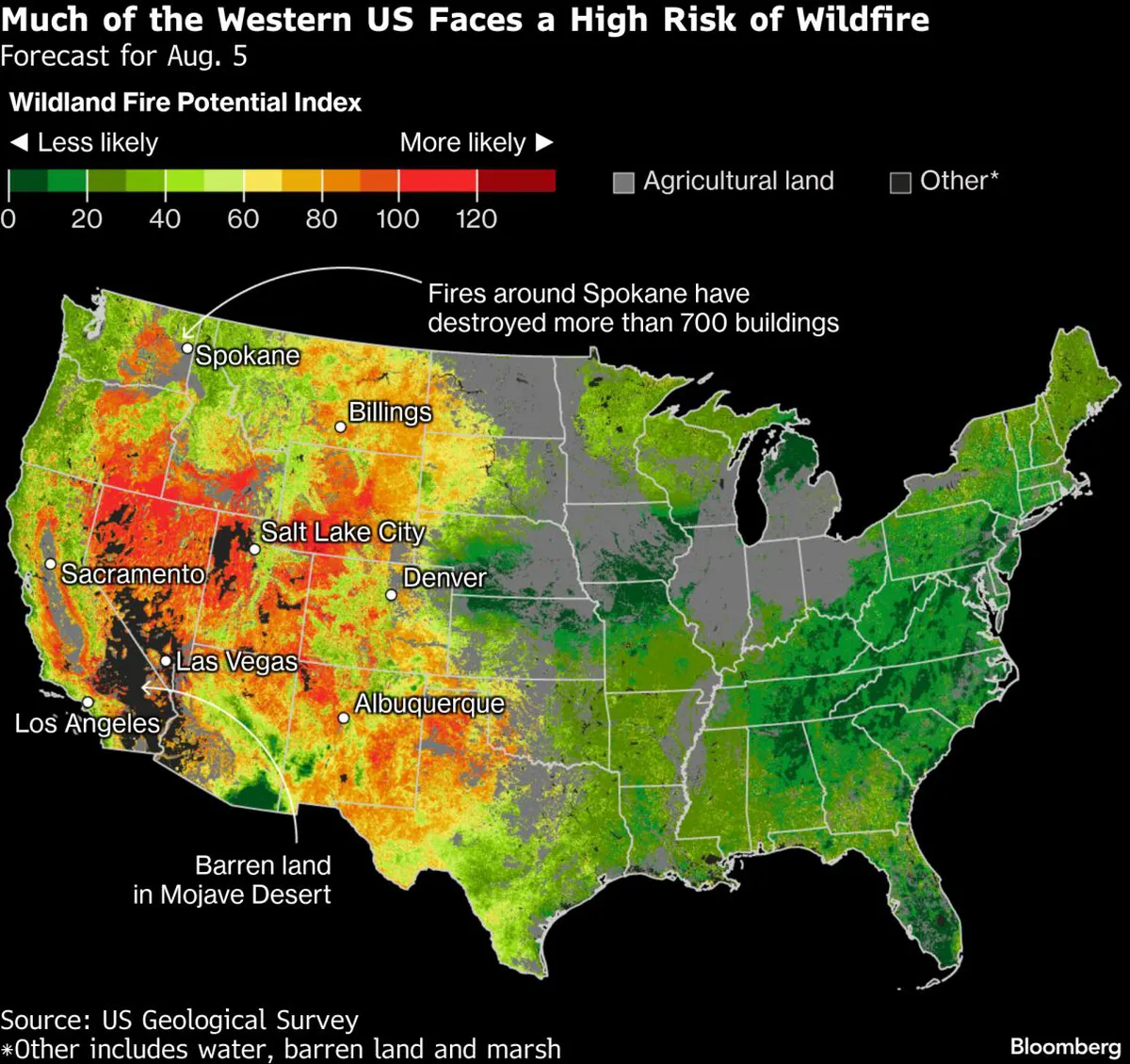
The wildfires that erupted in Spokane, Washington, have left communities reeling and raised urgent questions about the viability of homeowners’ insurance in the region. As an unprecedented number of residents assess the damage to their properties, many are grappling with the sobering reality of what this disaster means for their insurance coverage and future. Governor Bob Ferguson declared a statewide emergency as the fires spread rapidly, leading to the evacuation of approximately 65,000 residents. With around 700 buildings destroyed and thousands left without power, the emotional toll on families is immense. Rob Karl, a unit leader at World Insurance Associates, emphasized the uncertainty clients are facing: “Many folks are grieving and still processing the devastation as families are learning of what happened to their home or the home of someone they know.”
The Spokane Complex Fires: A Devastating Overview
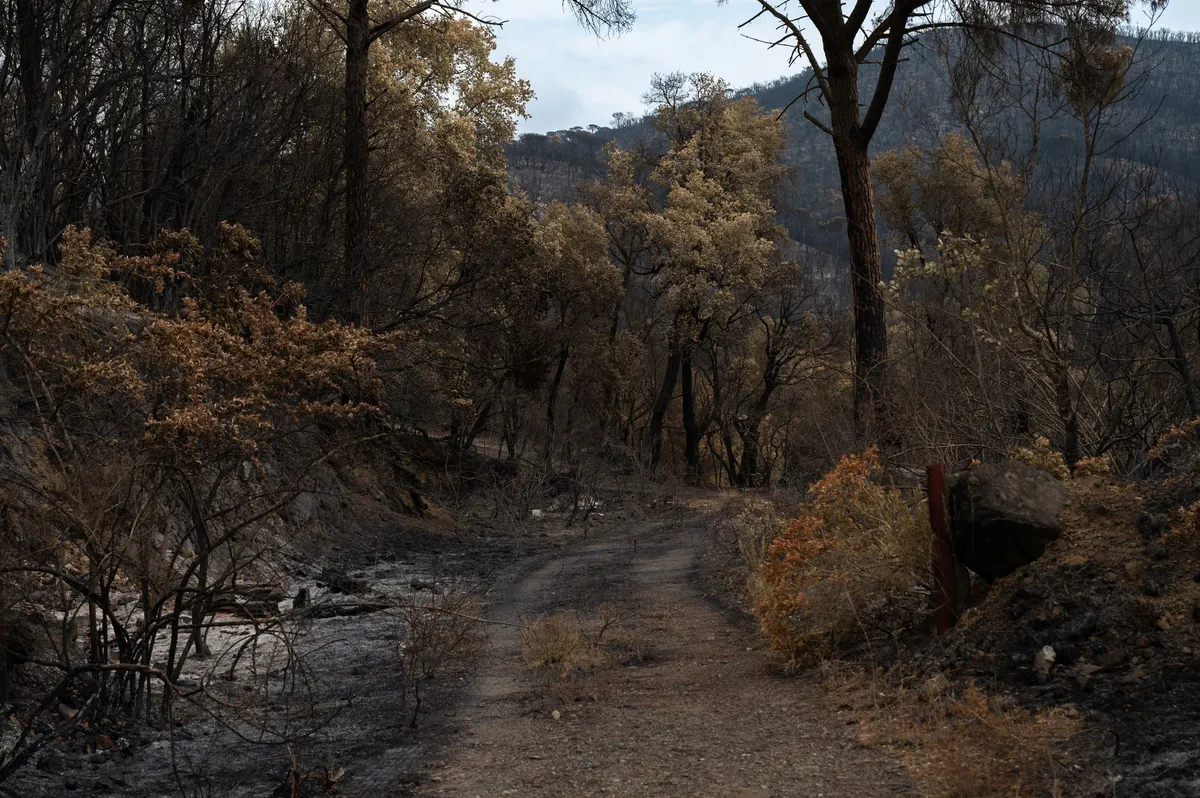
The Spokane Complex Fires, which include the Old Trails, Fairview, and Autumn Lane fires, have wreaked havoc on the region, exacerbated by strong winds and dry conditions. As authorities work to contain the fires, many residents are left questioning the safety of their homes and the effectiveness of their insurance policies. The consequences of these wildfires extend beyond the immediate destruction of property; they also bring to light the complexities of the insurance market, particularly concerning wildfire coverage.
Insurance Coverage: What Homeowners Need to Know
As the fires continue to burn, homeowners are faced with critical questions regarding their insurance policies. Many are unsure whether their homes are still standing or whether they will be covered for damages if they are destroyed. Insurers have tightened restrictions on policies in wildfire-prone areas in recent years, a trend that has significant implications for policyholders. Rob Karl points out that many insurers are now requiring homeowners to undertake mitigation measures to maintain their coverage. This means that if homeowners have not invested in fire-resistant upgrades or other preventive measures, they may face limited payouts in the event of a wildfire.
Understanding Policy Limitations
Insurance policies often have specific coverage caps related to wildfires, which can restrict the amount paid out for damages. Here are some key limitations homeowners should be aware of:
- Coverage Caps: Many policies may limit payouts unless certain mitigation measures were taken.
- Loss of Use Protection: This coverage, which helps pay for temporary living expenses when a home is uninhabitable, may not be available if certain conditions are not met.
- Moratoriums on New Policies: Insurers often halt new homeowners' policies in the wake of a disaster, complicating real estate transactions.
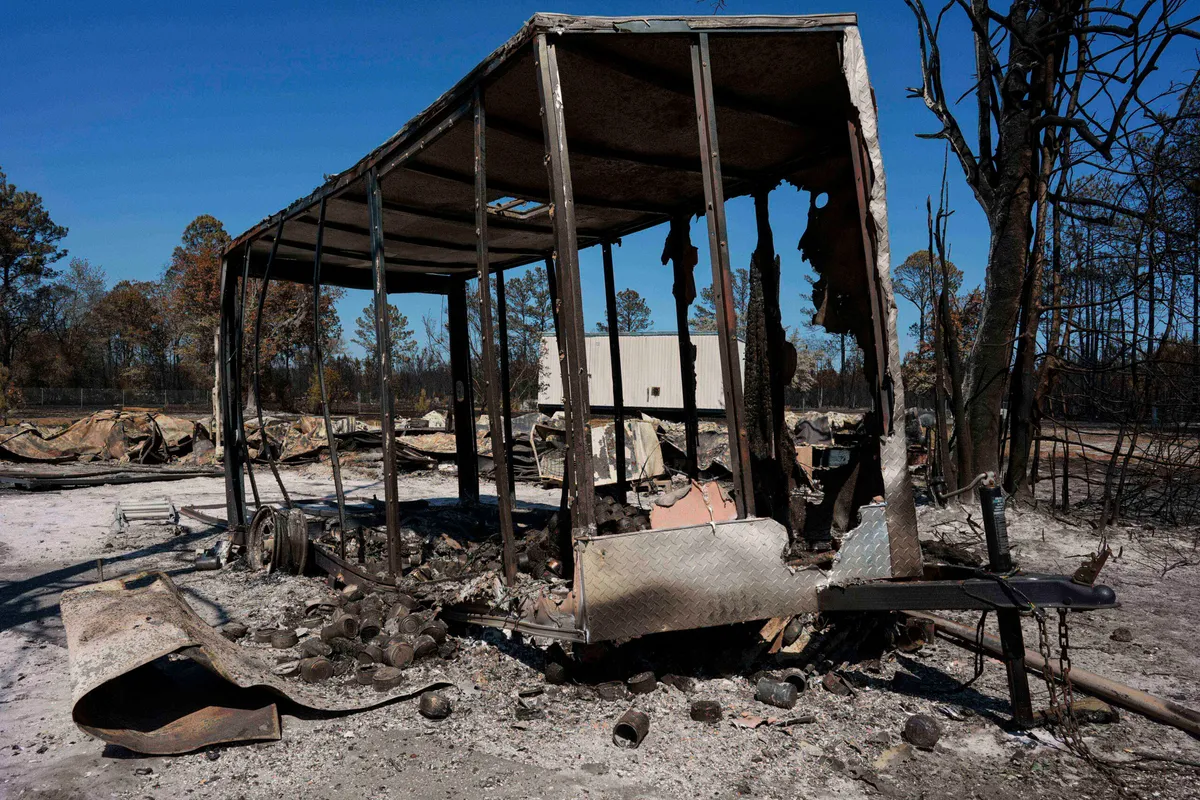
As power outages compound the damage, even homes that escaped direct fire may be temporarily uninhabitable, further complicating the recovery process.
The Long Road Ahead for Affected Communities
For many residents, the immediate concern is finding suitable accommodation. With local hotels filling up quickly, displacement becomes increasingly challenging. Families may be forced to relocate outside Spokane, raising additional questions about schooling, childcare, and daily commuting. The emotional toll is compounded by uncertainty about rebuilding and whether insurance coverage will be sufficient. As the recovery process unfolds, the insurance industry will likely take months to assess the full scope of losses. The recent Gray Fire serves as a sobering comparison; it caused an estimated $60 million in damage, but the current outbreak has already surpassed this scale significantly.
How Will This Impact Insurance Rates?
The long-term effects on Washington's homeowners insurance market will depend heavily on the total insured losses from this wildfire season. As insurers evaluate their risk exposure, homeowners across the state may see changes in their premiums, regardless of whether they live in wildfire-prone areas. According to the Washington Office of the Insurance Commissioner, the number of homeowners experiencing nonrenewals has doubled since 2021, indicating a tightening insurance market. This trend is likely to continue as carriers reassess their risk and adjust rates accordingly.

Preparing for Future Disasters
In the wake of such catastrophic events, it's essential for homeowners to consider their coverage options and prepare for the future. Karl advises that homeowners should proactively secure coverage and consider additional protections such as:
- Comprehensive Fire Mitigation: Invest in fire-resistant materials and landscaping to reduce risk.
- Review Insurance Policies: Understand the details of your policy, including coverage limits and what is required for full protection.
- Emergency Preparedness Plans: Have a plan in place for evacuation and temporary housing needs.
Homeowners who have lived in their properties for years may find themselves suddenly dropped by their insurers, even with clean claims histories. In response, some are shifting to surplus lines carriers or the state's FAIR Plan, which provides coverage when standard options are unavailable.
Key Takeaways
- The Spokane Complex Fires have led to extensive property damage and displacement among residents.
- Homeowners should understand policy limitations and mitigation requirements to ensure adequate coverage.
- Insurers are tightening restrictions, which may affect new policies and renewals across Washington.
- Preparing for future disasters involves proactive risk management and insurance planning.
Frequently Asked Questions
What should I do if I think my home is damaged by the wildfires?
If you suspect your property has been damaged, contact your insurance agent as soon as possible to report the loss and initiate the claims process. Document any damage with photos and keep a record of all communications with your insurer. It’s crucial to understand the specifics of your policy, including what is covered and any necessary steps you need to take to ensure your claim is processed efficiently.
How can I find temporary housing if my home is uninhabitable?
Start by reaching out to local emergency management services or organizations like the Red Cross, which can assist with temporary housing arrangements. Additionally, consider looking for rentals outside the immediate area if local hotels are fully booked. Keep in mind that your homeowners’ insurance may provide some coverage for temporary living expenses, so check your policy for details.
Will my homeowners insurance rates go up after the wildfires?
It is likely that homeowners across the state may see increases in their insurance rates as carriers reassess their risk exposure following the wildfires. Insurers often raise rates to cover the increased costs associated with claims and losses. However, the exact impact on your premium will depend on your individual circumstances and the specific terms of your policy.
Comments
The Rising Tide of Wildfires: Bridging Europe's Climate Insurance Gap
Europe faces unprecedented wildfire seasons, revealing critical gaps in climate insurance coverage. As the frequency of such disasters escalates, the insurance industry and policymakers must adapt to protect communities and reduce financial risks.

Related articles
Popular in Home Insurance
- 2026 Sees Below-Average Severe Convective Storm Losses: What It Means for Insurance
- El Niño and Wildfires: Preparing for a Fire-Prone Future
- Young Affluent Collectors: The Underinsurance Dilemma in Luxury Investments
- Wisconsin Property Owner Sues City and Insurers Over Contamination Cleanup Costs
- Rising Catastrophe Risks: How Europe’s Insurers Are Adapting to Climate Change