The Rising Tide of Wildfires: Bridging Europe's Climate Insurance Gap
Europe faces unprecedented wildfire seasons, revealing critical gaps in climate insurance coverage. As the frequency of such disasters escalates, the insurance industry and policymakers must adapt to protect communities and reduce financial risks.

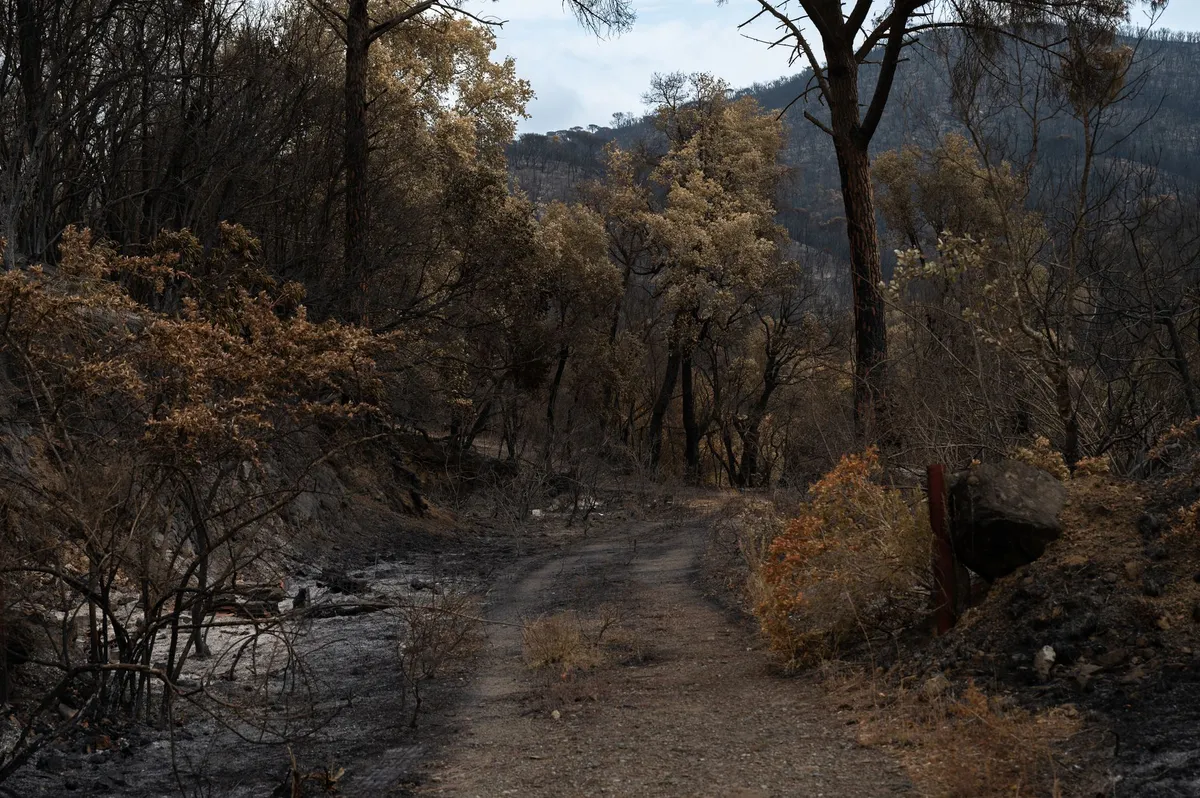
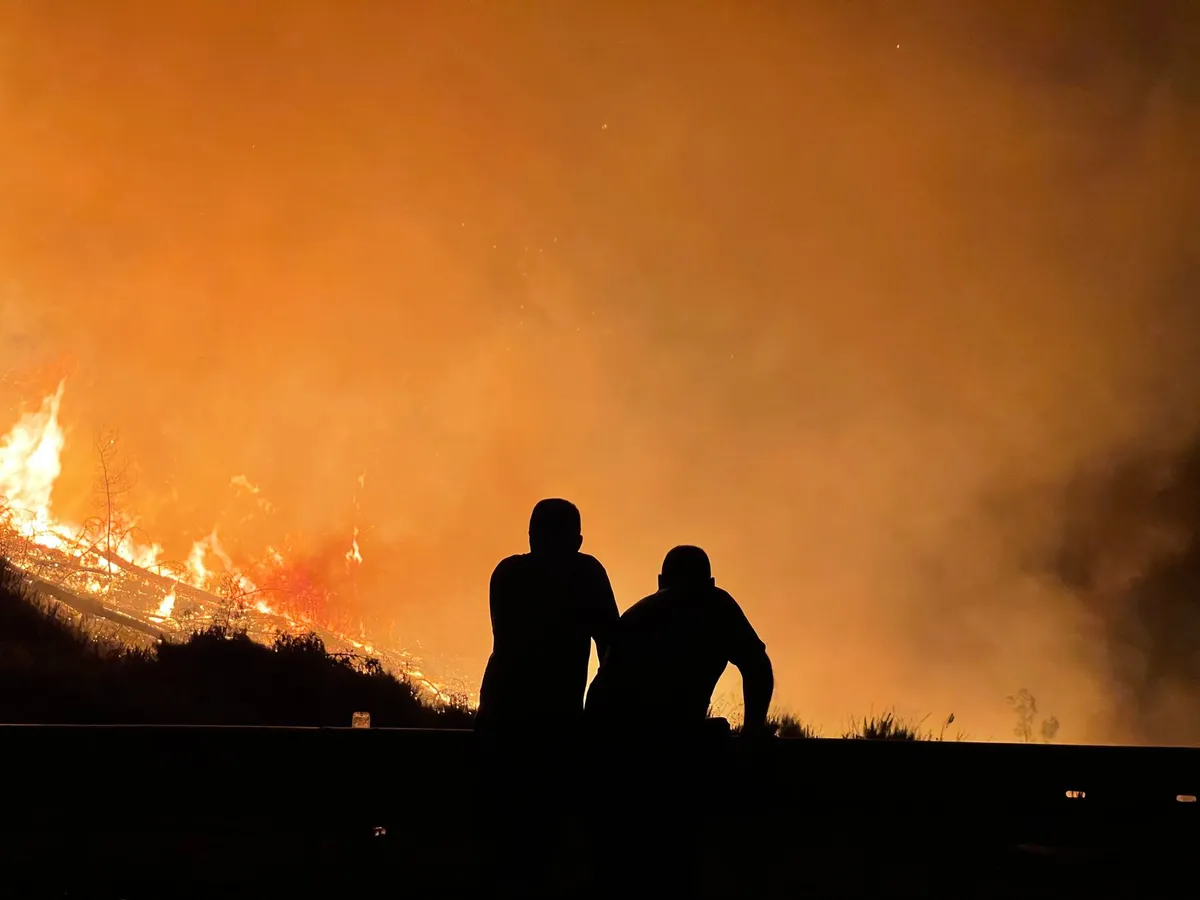
The summer of 2026 has marked a turning point for Europe, as wildfires ravaged vast areas across France, Spain, and Greece. With authorities evacuating approximately 220,000 people in France alone, the impact of these wildfires is undeniable. But beyond the immediate destruction lies a more pressing concern: who will bear the financial burden as climate-related disasters become increasingly common? This question looms large over the insurance industry, which must now grapple with the changing landscape of risk and coverage.
In France, estimates suggest total losses could range between €10 billion and €15 billion (approximately $11.5 billion to $17.3 billion), with insured losses potentially running into several billion euros. While these figures pale in comparison to the staggering $40 billion in insured losses from California's Palisades Fire in 2025, analysts warn that the evolving nature of wildfire threats could soon challenge the industry's financial resilience.
The Scope of the Crisis
The wildfires have highlighted a significant issue known as the "climate insurance protection gap"—the disparity between total losses from disasters and the amount covered by insurance. The recent wildfires in Spain, for example, inflicted nearly €5 billion in damage, yet only a fraction of that amount was insured, according to Tyson Vickery, a global placement leader at insurance broker Marsh. Alarmingly, data from the European Central Bank and the EU's insurance regulator indicate that only about a quarter of losses from climate-related catastrophes between 1980 and 2024 were insured.
Wildfire Preparedness in Europe
Compared to the United States, where wildfire insurance is more established, Europe is lagging behind in developing comprehensive coverage for these types of natural disasters. This gap is particularly concerning given the increasing frequency and intensity of wildfires fueled by climate change. Ana Matarranz, CEO of Gallagher Spain, pointed out that Spain has faced significant wildfires in the past, but the current situation is exacerbated by the escalating severity of climate-related risks.
Policyholder Challenges and Insurer Responses
As the wildfires wreak havoc, insurance companies are stepping up to support policyholders. For instance, insurers in France have enacted emergency measures that allow policyholders evacuated due to wildfires near Bordeaux to stay in hotels for up to three weeks at the insurer's expense. This initiative has provided relief to individuals like Nicolas Mulac, a pharmacist from Marcheprime, who evacuated his home. Despite the damage being avoided, he filed a claim to recover accommodation and food costs, praising the process as "very straightforward."
However, the broader implications of these wildfires extend beyond immediate claims. Insurers are also bracing for potential losses related to business interruptions, supply chain disruptions, and utility outages caused by the fires. The lack of coverage for wildfires under France's state-backed natural disaster compensation scheme further complicates the recovery landscape, leaving private insurers to shoulder the majority of the financial burden.

Future Outlook: Rising Premiums and Underwriting Challenges
As the frequency and severity of wildfires continue to escalate, household insurance premiums are expected to rise, particularly in high-risk areas. Rodolphe Mann, head of the France branch of insurance broker Miller, noted that property insurance is widespread in France due to mortgage requirements, creating a large pool of policyholders who may face increased costs when their policies come up for renewal in January.
One significant challenge for insurers is the lack of historical wildfire data in Europe. This data is critical for accurately modeling and pricing risk. Without comprehensive information, underwriters may find it difficult to make informed decisions, potentially leading to a further widening of the protection gap.
Addressing the Protection Gap
Experts agree that the increasing catastrophe risks presented by wildfires necessitate action to bridge Europe’s protection gap. Wynne Lawrence, a partner at Clyde & Co, emphasized that Europe is experiencing conditions akin to those in historically wildfire-prone regions such as California and Australia. The growing frequency of these events raises pressing questions about how to enhance insurance coverage and provide adequate financial protections for affected communities.
Sarah Goddard, secretary general of the AMICE industry body, echoed this sentiment, stating that narrowing the protection gap must become a priority for policymakers. However, current efforts at the EU level remain exploratory, with much work still needed to develop strategies that can effectively address the looming crisis.
Key Takeaways
- Wildfire Risks on the Rise: The increasing frequency and intensity of wildfires due to climate change pose significant risks to European communities.
- Protection Gap Concerns: Only a small fraction of losses from climate-related disasters are covered by insurance, leaving many inadequately protected.
- Increased Premiums Ahead: Households in high-risk areas should prepare for rising insurance premiums as insurers adjust to the changing risk landscape.
- Need for Data: A lack of historical wildfire data complicates insurers' ability to model risk and accurately price premiums.
- Urgent Policy Action Required: Bridging the protection gap will require coordinated efforts from policymakers and the insurance industry.
Frequently Asked Questions
What is the climate insurance protection gap?
The climate insurance protection gap refers to the difference between the total economic losses caused by climate-related disasters and the amount that is insured. This gap can leave individuals and communities vulnerable to significant financial losses, as seen in recent wildfires across Europe where only a fraction of total damages were covered by insurance.
How are insurers responding to the recent wildfires?
In response to the wildfires, insurers in affected regions have implemented emergency measures to support policyholders. For example, policyholders forced to evacuate have been offered temporary accommodation at the insurer's expense. Insurers are also preparing for potential claims related to business interruptions and disruptions in services caused by the wildfires.
Will insurance premiums increase due to wildfires?
Yes, as the risks associated with wildfires become more pronounced, insurance premiums are expected to rise, especially in high-risk areas. Insurers may adjust their pricing models based on the increased likelihood of claims from future wildfire events, impacting policyholders across Europe.
What can homeowners do to protect themselves from wildfire risks?
Homeowners can take proactive steps to mitigate their risks by maintaining defensible space around their properties, investing in fire-resistant materials, and ensuring they have adequate insurance coverage. It's essential for homeowners to review their policies and understand what is covered and to consider supplemental coverage if they live in high-risk areas.
Comments
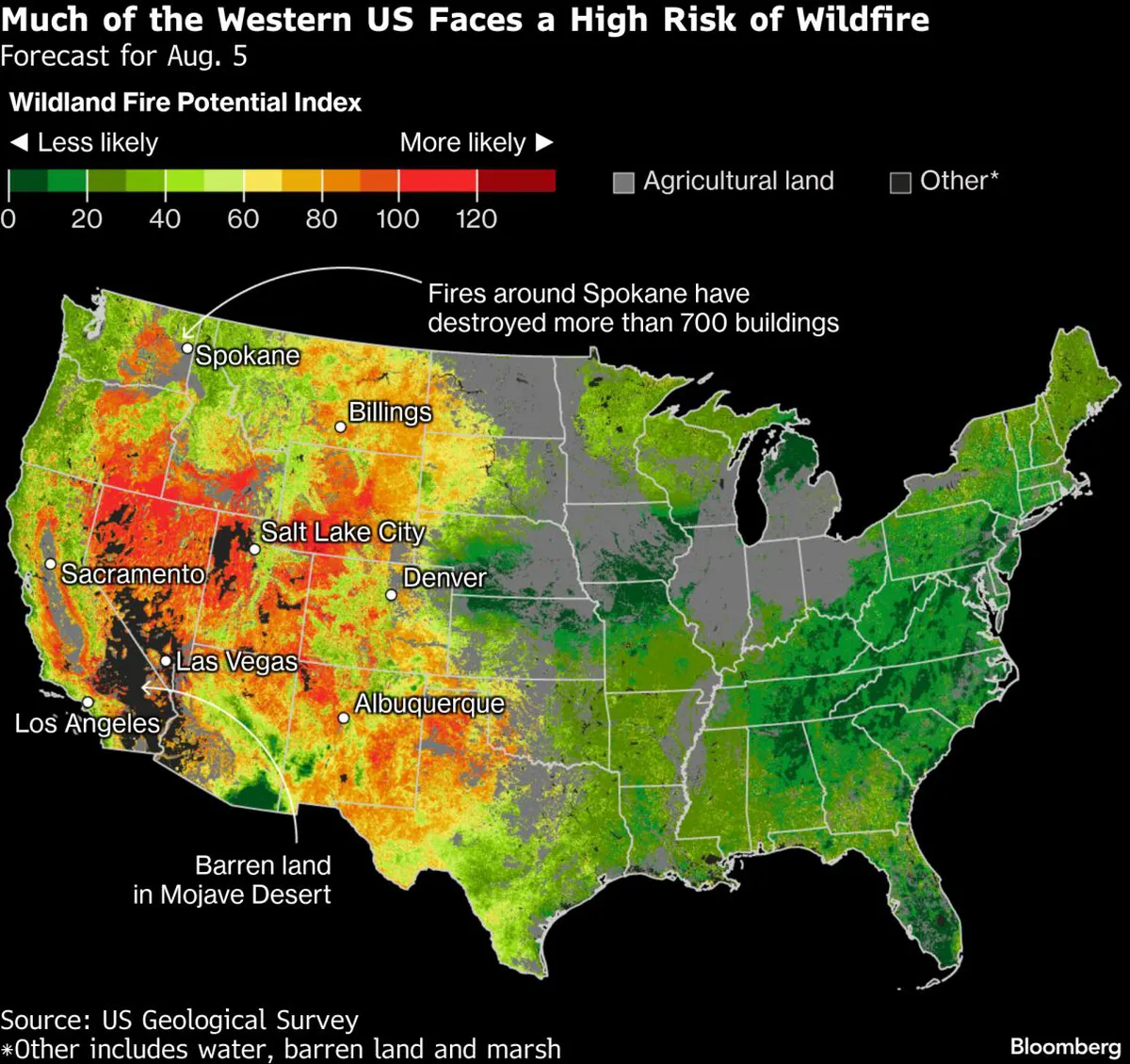
Rising Temperatures Fuel U.S. Wildfire Crisis: Understanding the Threat
As wildfires rage across the U.S., fueled by climate change and rising temperatures, understanding the implications for homeowners and communities is crucial. This article delves into the conditions leading to increased fire risk and what can be done to prepare.
Related articles

Popular in Home Insurance
- 2026 Sees Below-Average Severe Convective Storm Losses: What It Means for Insurance
- El Niño and Wildfires: Preparing for a Fire-Prone Future
- Young Affluent Collectors: The Underinsurance Dilemma in Luxury Investments
- Wisconsin Property Owner Sues City and Insurers Over Contamination Cleanup Costs
- Rising Catastrophe Risks: How Europe’s Insurers Are Adapting to Climate Change