Urgent Call for Wildfire Prevention: The Fix Our Forests Act Explained
With wildfires wreaking havoc across the U.S., the APCIA urges Congress to pass the Fix Our Forests Act. This legislation aims to enhance forest management and reduce wildfire risks.
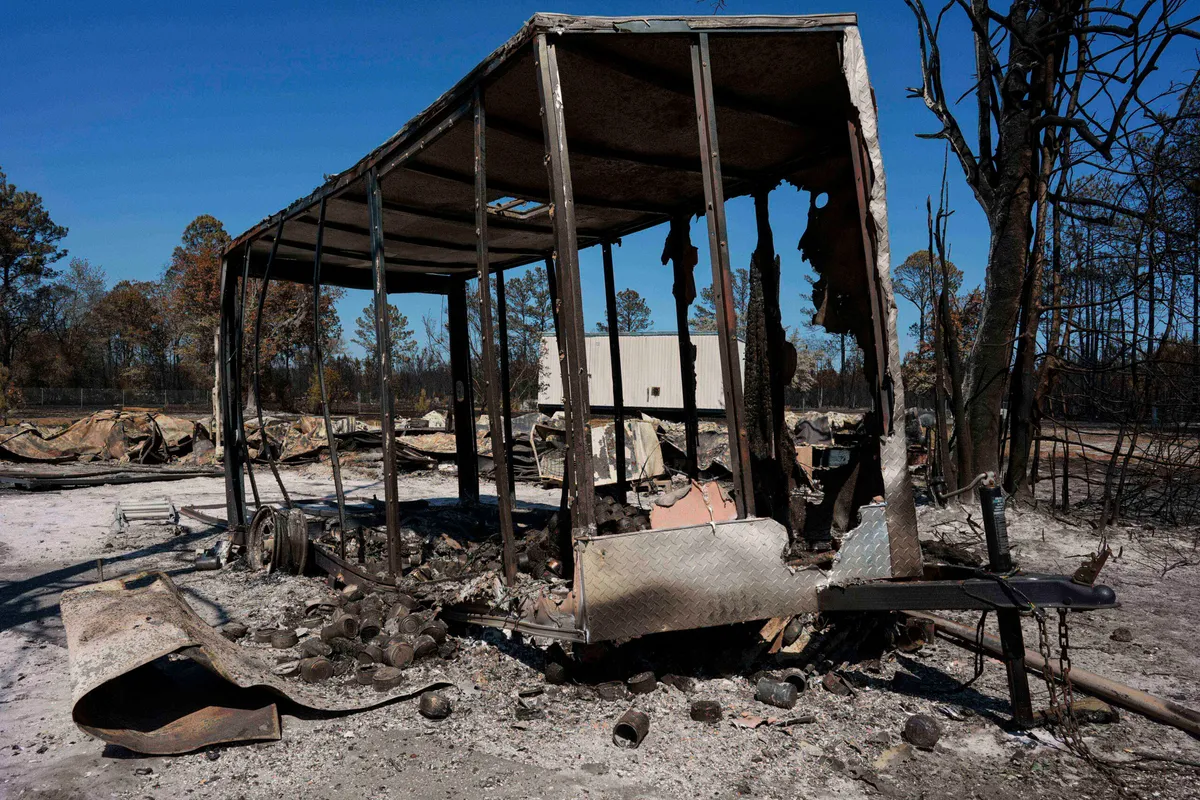
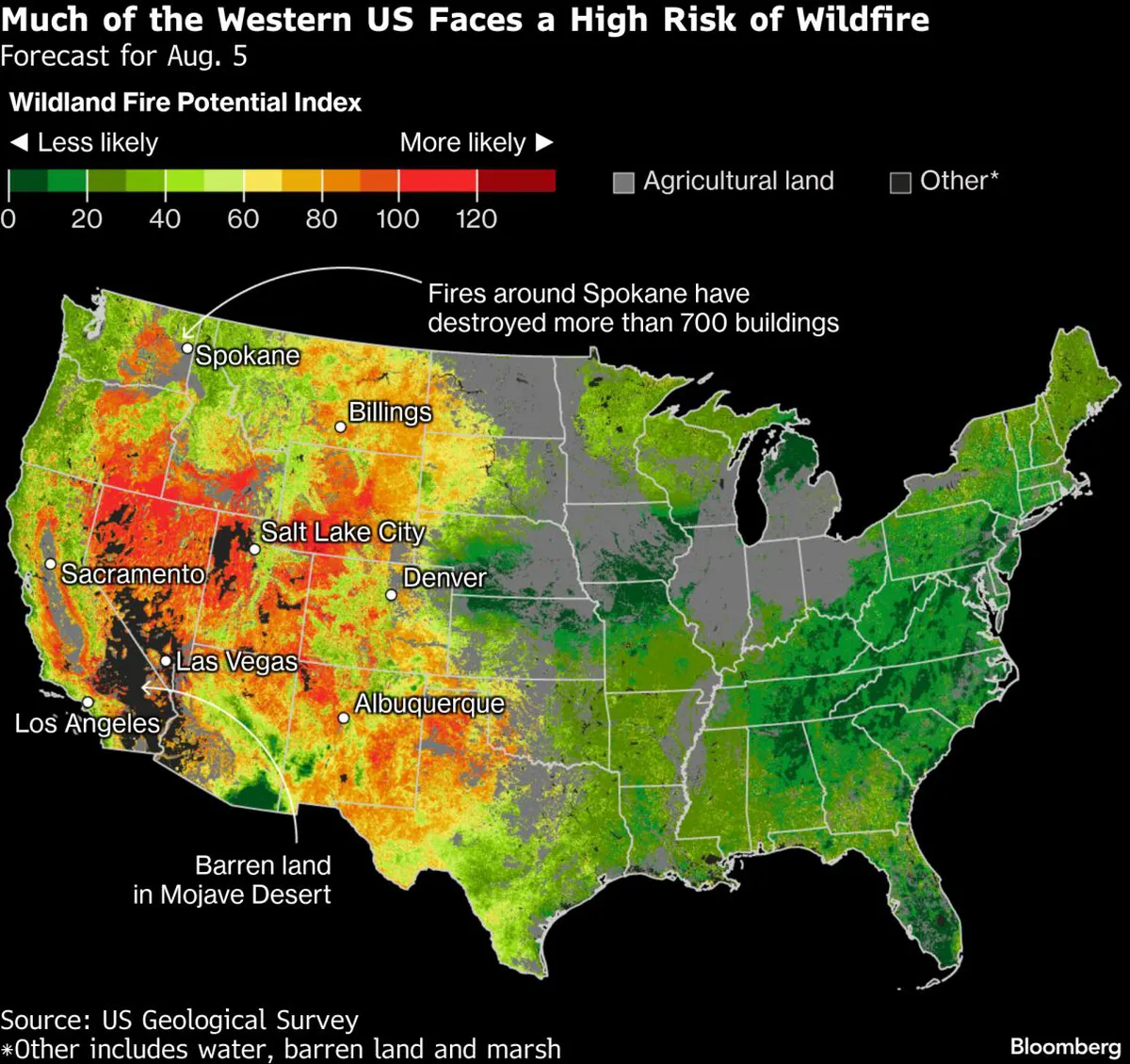
As the country grapples with increasingly destructive wildfires, the urgent need for effective legislative measures has never been clearer. In recent weeks, areas in the Pacific Northwest have been particularly hard hit, with approximately 10% of Spokane, Washington's population ordered to evacuate their homes. The situation is dire: as of August 5, 2026, the National Interagency Fire Center reported 49 uncontained large fires across Washington and Oregon alone, with states like Utah, Idaho, and Nevada also experiencing elevated wildfire activity. With over 28,700 personnel currently engaged in fighting these blazes nationwide, the call for action is becoming increasingly pressing.
In response to the escalating wildfire crisis, the American Property Casualty Insurance Association (APCIA) is advocating for the immediate passage of the Fix Our Forests Act, a piece of federal legislation aimed at enhancing forest management and mitigating wildfire risks. This act has been languishing in Congress since its introduction following the destructive wildfires in Los Angeles in early 2025. David A. Sampson, APCIA's president and CEO, emphasizes the urgent need for Congress to act promptly, as the ongoing wildfires exemplify the dire consequences of neglecting proactive forest management and community resilience efforts.
Understanding the Fix Our Forests Act
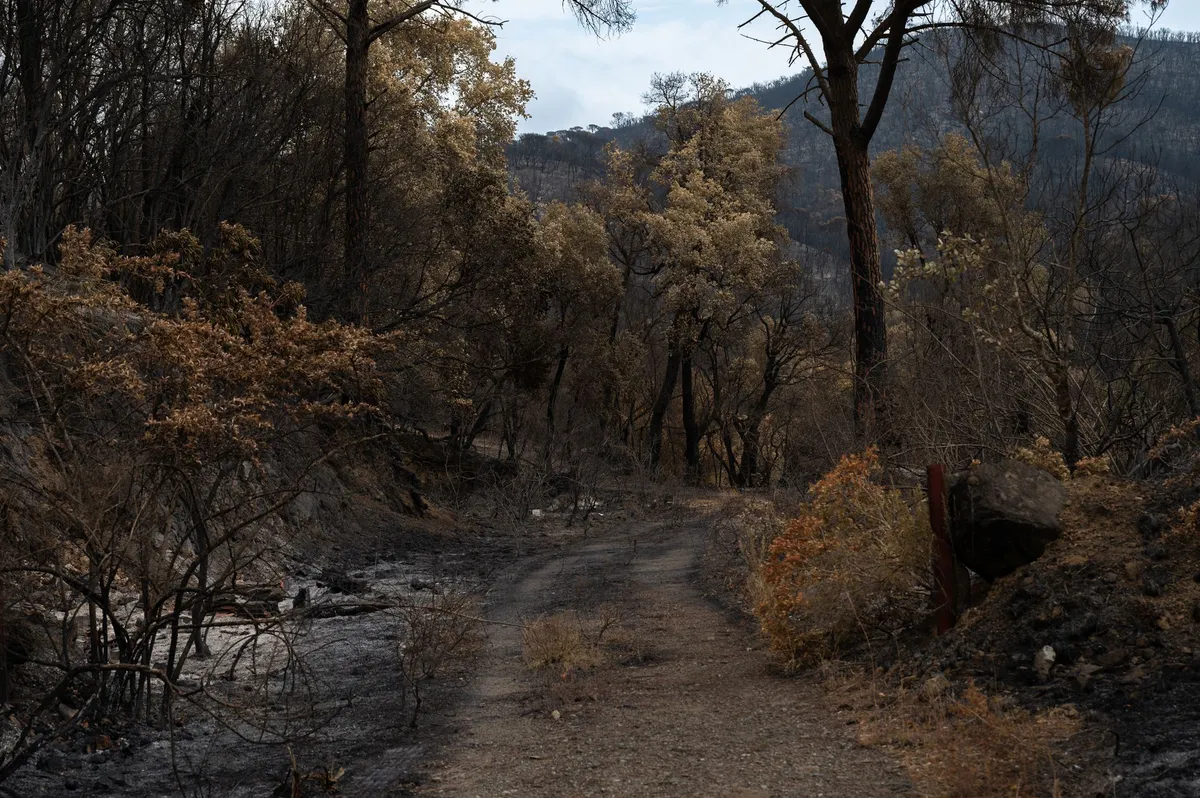
The Fix Our Forests Act is designed to provide a comprehensive approach to wildfire prevention and forest management. It aims to address the underlying issues that contribute to catastrophic wildfires, such as inadequate forest management practices and the accumulation of hazardous fuels. The legislation outlines specific measures that would enable federal and state agencies to reduce the risk of wildfires while also enhancing the resilience of communities that are often on the front lines of these natural disasters.
Key Features of the Legislation
- Forest Management Improvements: The act seeks to implement better forest management practices, allowing for more controlled burns and the removal of excess underbrush that can fuel wildfires.
- Hazardous Fuels Reduction: It promotes initiatives aimed at reducing hazardous fuels in forests, thus decreasing the likelihood of severe fires.
- Community Resilience Programs: The legislation emphasizes the need for stronger community resilience efforts, providing resources for localities to better prepare for and respond to wildfire threats.
- Bipartisan Support: The act has garnered support from a wide array of organizations and stakeholders, highlighting the collective recognition of the wildfire crisis.
The Current Wildfire Landscape
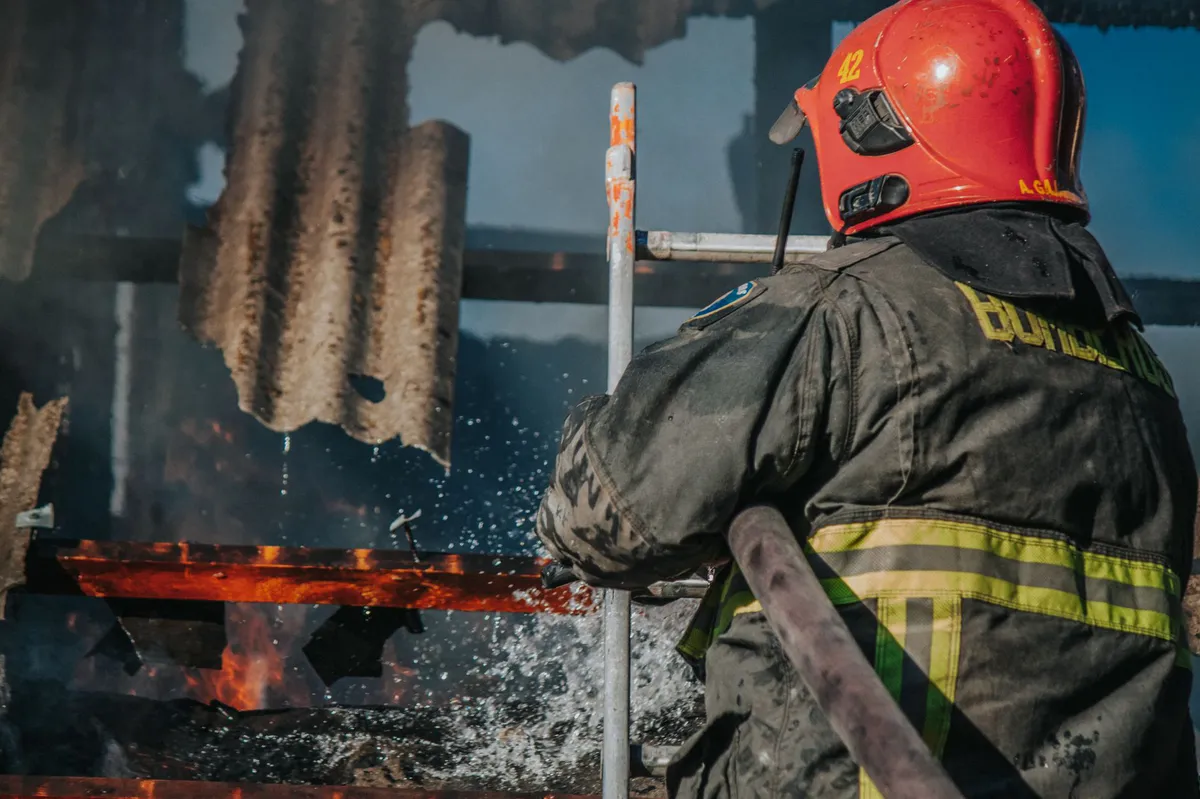
Wildfires have become a recurring nightmare for many regions across the United States, particularly in the western states where dry conditions and high winds create an environment ripe for flames to spread. The increasing frequency and intensity of these fires can be attributed to a combination of climate change, mismanagement of forest resources, and the encroachment of human development into wildfire-prone areas.
The National Interagency Fire Center (NIFC) provides critical data on the wildfire situation across the country. According to their reports, 13 states have been affected by large fires, with Washington and Oregon facing some of the most severe incidents this year. The scale of devastation includes not only the loss of homes and structures but also significant impacts on the local economies and ecosystems.
Impact on Communities
The ramifications of wildfires extend beyond immediate destruction. Communities that experience such disasters face long-term challenges, including:
- Displacement: Thousands of residents are often displaced from their homes, creating a humanitarian crisis that requires urgent attention and resources.
- Insurance Affordability: The rising frequency of wildfires leads to increased insurance premiums and reduced availability of coverage for homeowners in vulnerable areas.
- Economic Consequences: Local economies suffer as businesses are forced to close and recovery efforts take time and resources.
The Call to Action from APCIA
According to APCIA’s David A. Sampson, the time for action is now. He asserts that the ongoing cycle of disaster and recovery is unsustainable and that Congress must prioritize the Fix Our Forests Act to implement proven mitigation strategies. The act is positioned not just as a piece of legislation but as a necessary step toward safeguarding lives and property, ultimately ensuring the long-term affordability and availability of insurance in wildfire-prone areas.
More than 40 organizations have rallied behind this cause, urging Congress to include the Fix Our Forests Act in the upcoming legislative packages. The collaboration between various stakeholders reflects a growing consensus on the need for effective wildfire management strategies and the importance of protecting communities from future disasters.
Key Takeaways
- The Fix Our Forests Act aims to enhance forest management and reduce wildfire risks.
- Wildfires have devastating impacts on communities, economies, and insurance markets.
- APCIA emphasizes the urgency for Congress to pass the Fix Our Forests Act to mitigate future disasters.
- Collaboration among various organizations highlights the broad support for wildfire prevention measures.
Frequently Asked Questions
What is the Fix Our Forests Act?
The Fix Our Forests Act is a federal piece of legislation aimed at improving forest management practices and reducing the risk of catastrophic wildfires. It includes provisions for hazardous fuels reduction and enhancing community resilience to better prepare for and respond to wildfires.
Why are wildfires becoming more frequent and intense?
Wildfires are increasingly frequent and intense due to a combination of climate change, which contributes to hotter and drier conditions, and forest management practices that have historically allowed for the accumulation of hazardous fuels. Additionally, urban development in wildfire-prone areas exacerbates the risk.
How do wildfires affect insurance availability and costs?
As wildfires become more common, insurance companies often raise premiums or limit coverage options in high-risk areas, making it difficult for homeowners to secure affordable insurance. This trend can lead to increased financial strain on affected communities and lower property values.
What can communities do to prepare for wildfires?
Communities can take proactive measures to prepare for wildfires by implementing local fire prevention plans, improving forest management practices, educating residents about evacuation protocols, and creating community resilience programs to better equip themselves for potential disasters.
Comments
The Rising Tide of Wildfires: Bridging Europe's Climate Insurance Gap
Europe faces unprecedented wildfire seasons, revealing critical gaps in climate insurance coverage. As the frequency of such disasters escalates, the insurance industry and policymakers must adapt to protect communities and reduce financial risks.

Related articles

Popular in Home Insurance
- 2026 Sees Below-Average Severe Convective Storm Losses: What It Means for Insurance
- El Niño and Wildfires: Preparing for a Fire-Prone Future
- Young Affluent Collectors: The Underinsurance Dilemma in Luxury Investments
- Wisconsin Property Owner Sues City and Insurers Over Contamination Cleanup Costs
- Rising Catastrophe Risks: How Europe’s Insurers Are Adapting to Climate Change