Rising Temperatures Fuel U.S. Wildfire Crisis: Understanding the Threat
As wildfires rage across the U.S., fueled by climate change and rising temperatures, understanding the implications for homeowners and communities is crucial. This article delves into the conditions leading to increased fire risk and what can be done to prepare.
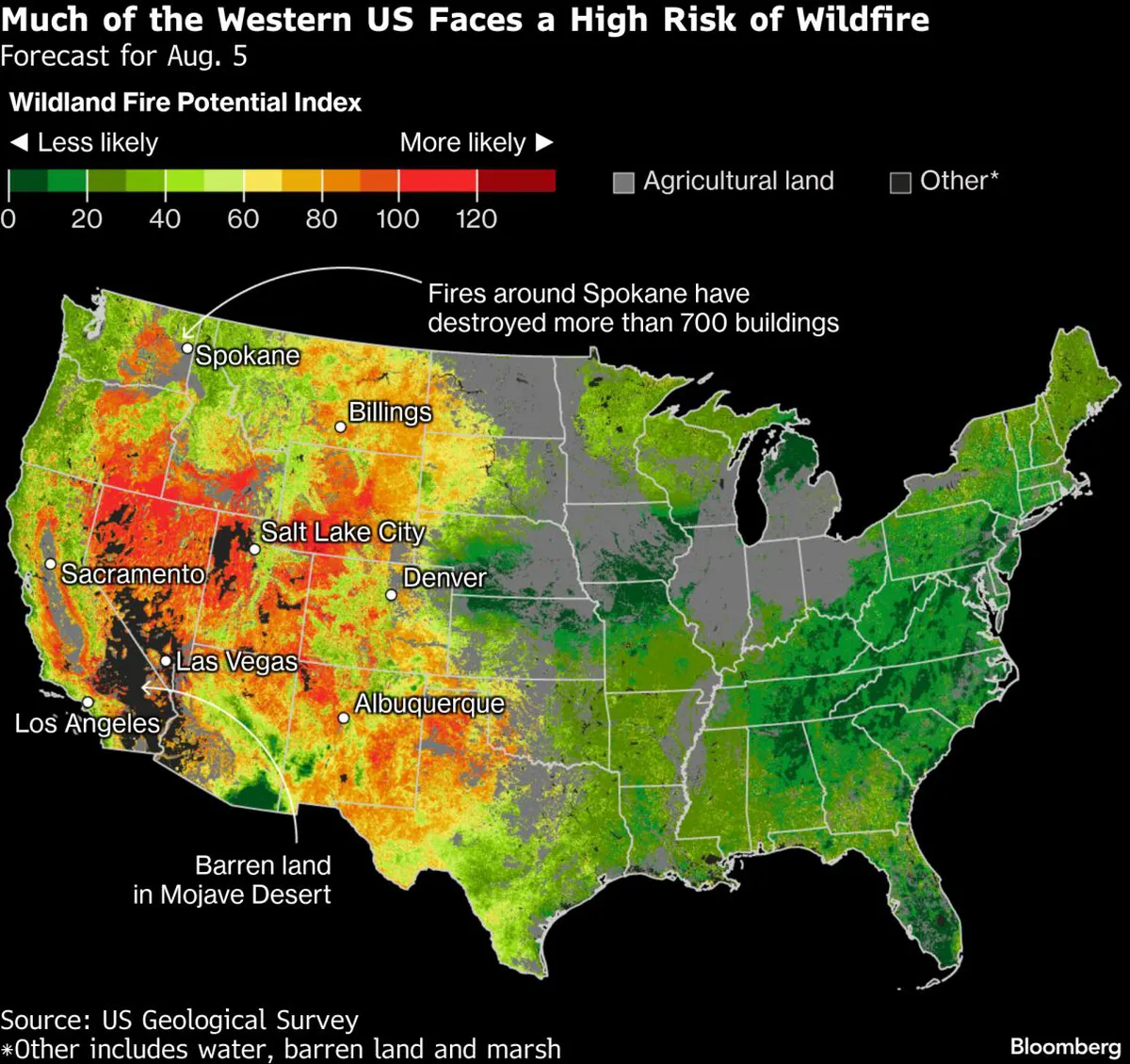
The United States is facing one of its most devastating wildfire seasons in recent history, with flames consuming millions of acres across the country. This alarming trend is not just a local phenomenon but part of a broader global crisis exacerbated by climate change. As rising temperatures create hot, dry conditions, the risk of wildfires is intensifying, prompting urgent discussions about preparedness, environmental conservation, and the future of fire management.
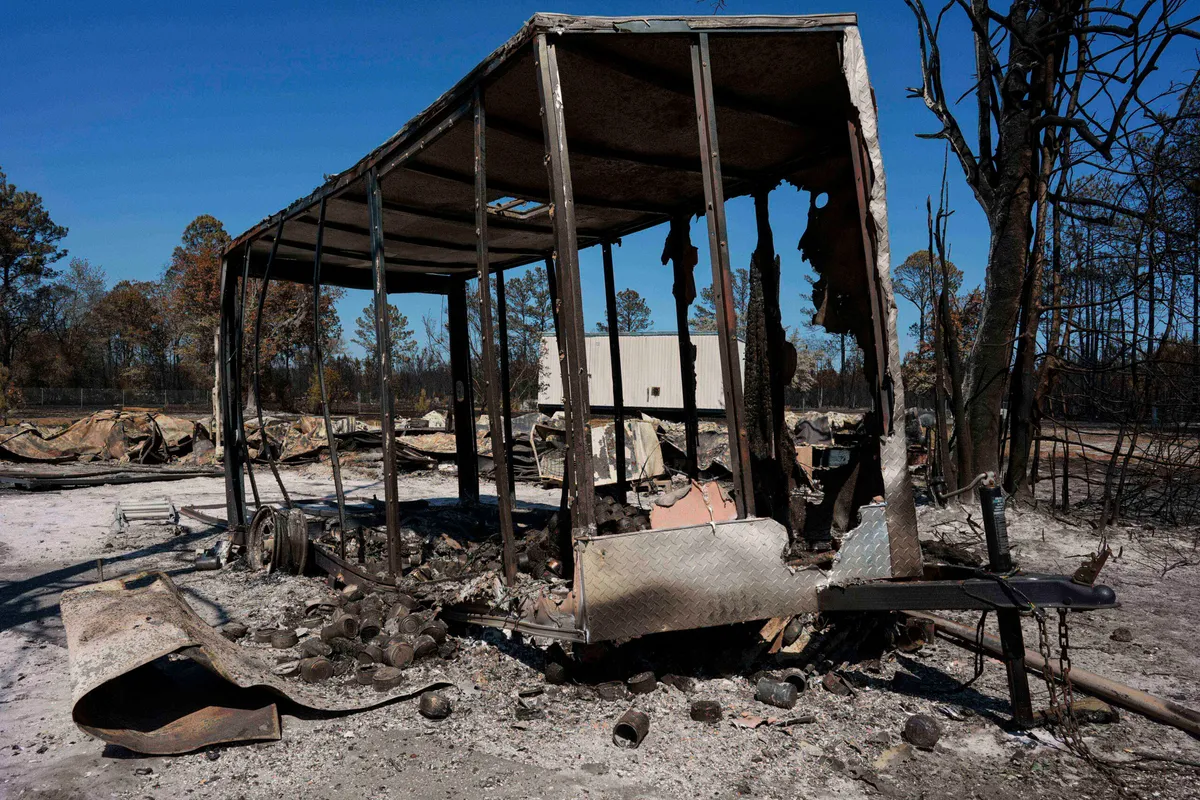
Recent reports indicate that wildfires in areas like Spokane, Washington, have resulted in the destruction of hundreds of structures and forced over 60,000 residents to evacuate. This represents about 10% of Spokane’s population. With more than 17 active fires reported statewide, the situation underscores a grim reality: climate change is altering the very landscapes we inhabit, making them more susceptible to devastating blazes.
The Global Wildfire Trend
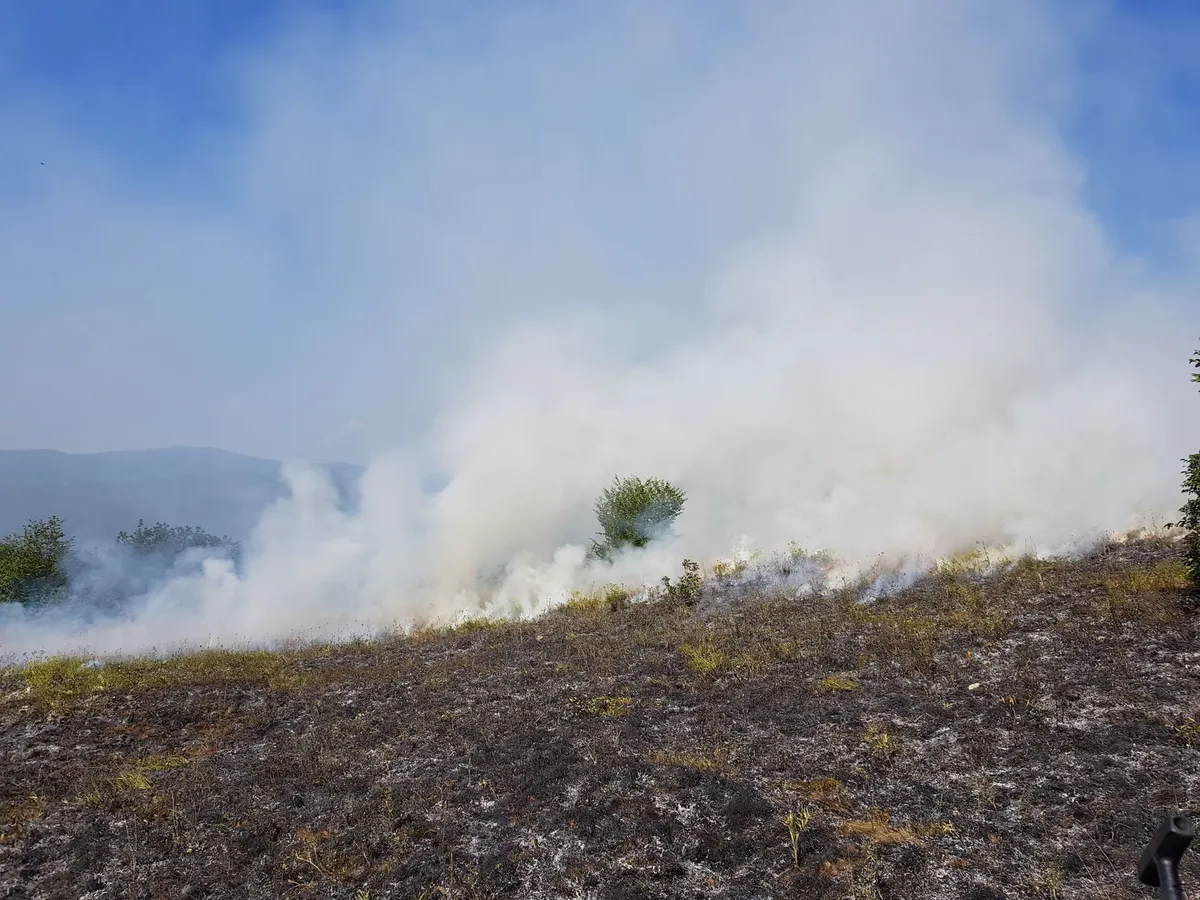
Wildfires are not just a U.S. problem; they are a growing concern worldwide. In countries like Greece, France, and Spain, massive fires have led to evacuations and destroyed vast swathes of land. The common thread linking these events is a series of climate-related factors that are intensifying fire risks.
Understanding the Climate Connection
As temperatures rise globally, two significant changes are occurring:
- Traditional fire-prone areas are becoming hotter and drier. Regions historically known for their wildfire activity are now experiencing unprecedented heat and dryness, making them more vulnerable.
- The range of ecosystems susceptible to wildfires is expanding. Areas that previously had low wildfire risks are now seeing an increase in flammability due to prolonged periods of extreme weather.
According to climate scientist Daniel Swain, this phenomenon can be described as "lifting the flammability veil." Certain regions, such as Canada’s boreal forests and parts of Europe, are now more prone to large fires as global warming creates conditions that were once rare.
The Science Behind Wildfire Risks
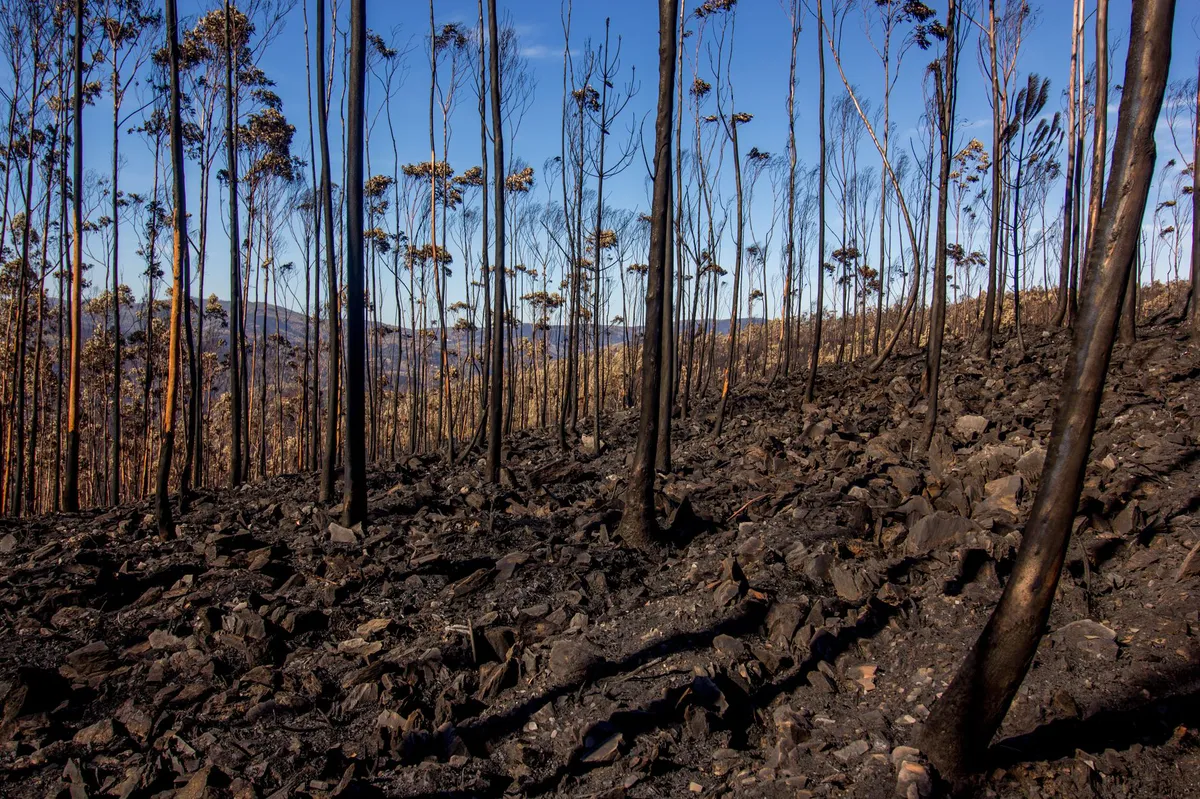
The relationship between heat and vegetation is critical to understanding wildfire risks. Trees and plants lose moisture during prolonged heat waves, becoming increasingly combustible. This is especially concerning in ecosystems that evolved in cooler, moister climates.
Fire Weather Waves
Recent research has identified a phenomenon known as "fire weather waves," which are extended periods of hot, dry, and windy conditions. These waves have become more frequent and, alarmingly, they contribute to a significant amount of land area burned in wildfires. Between 1979 and 2024, these waves accounted for a substantial portion of the most energetic forest fires worldwide.
Impact on U.S. Communities
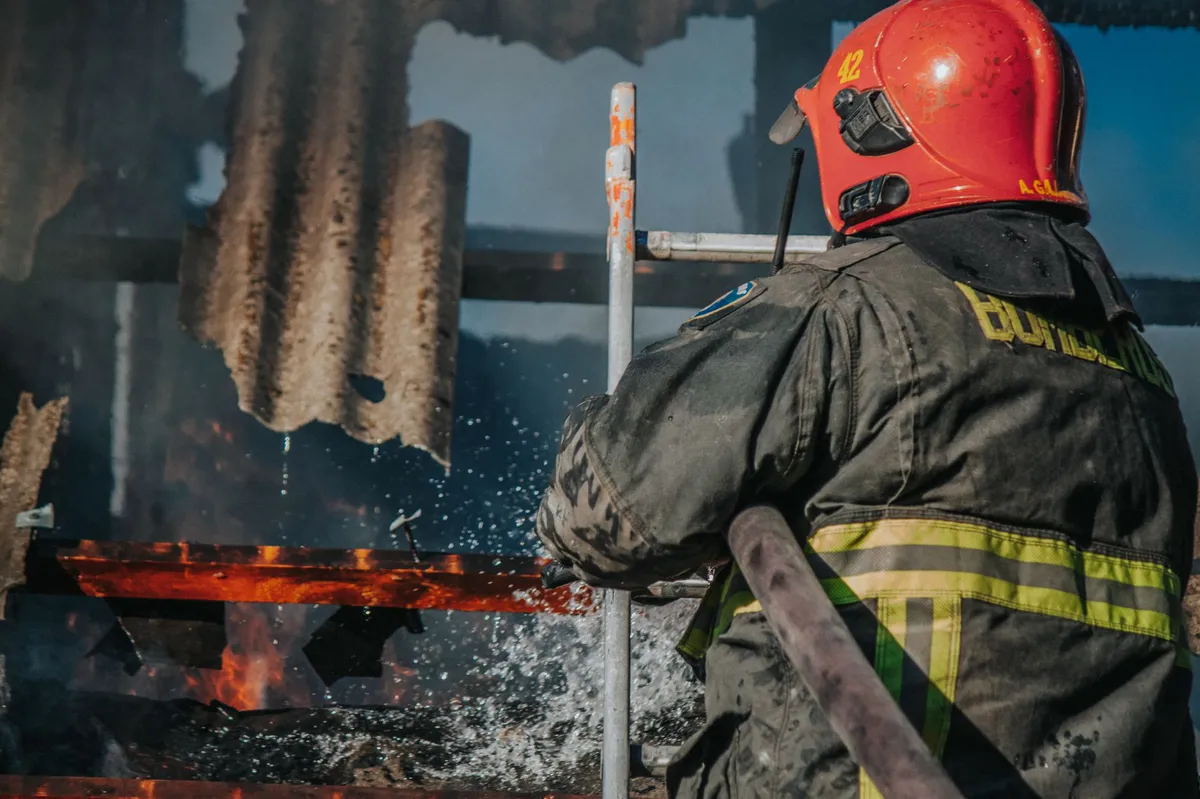
As wildfires become more widespread, the implications for U.S. communities are dire. With multiple fires occurring simultaneously, the resources available for firefighting are strained. Communities that have previously felt safe from wildfires are now reconsidering their preparedness strategies.
Emergency Preparedness and Evacuation Plans
Many towns in high-risk areas are being forced to reevaluate their emergency protocols. This includes creating or updating evacuation plans and ensuring that residents are aware of their options in the event of a wildfire. Communities must also consider:
- Developing defensible space: Homeowners can create buffer zones by clearing flammable vegetation near their homes.
- Investing in fire-resistant materials: Using fire-resistant building materials can significantly reduce the risk of homes igniting during a wildfire.
- Establishing community alert systems: Timely communication about fire risks and evacuation orders can save lives.
Conclusion: Preparing for the Future
The increasing frequency and intensity of wildfires driven by climate change highlight the need for proactive measures. While not every region will face the same level of risk as California, the potential for extreme wildfires is spreading globally. Understanding these dynamics is essential for homeowners, local governments, and emergency services to protect lives and property.
Key Takeaways
- Rising global temperatures are increasing wildfire risks across the U.S. and around the world.
- Communities must reassess their preparedness strategies and evacuation plans for wildfires.
- Investing in fire-resistant home materials and creating defensible spaces can reduce fire risks.
- Fire weather waves are becoming more common and contribute to extensive land damage.
- Wildfire resources are stretched thin due to simultaneous fires, affecting firefighting efforts.
Frequently Asked Questions
What are fire weather waves?
Fire weather waves refer to prolonged episodes of hot, dry, and often windy weather that significantly increase the risk of wildfires. Research indicates these waves have become more frequent over the past few decades and are responsible for a substantial area of land burned in wildfires.
How can homeowners prepare for wildfires?
Homeowners can prepare for wildfires by creating defensible spaces around their properties, using fire-resistant materials for construction and landscaping, and staying informed about local fire risks and evacuation plans. It’s also beneficial to participate in community preparedness initiatives.
Are all regions equally at risk for wildfires?
No, while some regions like California are historically known for their wildfire activity, climate change is increasing the likelihood of wildfires in areas that were previously considered low risk. This means that communities everywhere need to consider their wildfire preparedness strategies.
How do climate change and wildfires relate?
Climate change contributes to rising temperatures and altered precipitation patterns, creating conditions that are favorable for wildfires. As temperatures rise, areas become drier and vegetation becomes more flammable, leading to an increased frequency and intensity of wildfires.
Comments
The Rising Tide of Wildfires: Bridging Europe's Climate Insurance Gap
Europe faces unprecedented wildfire seasons, revealing critical gaps in climate insurance coverage. As the frequency of such disasters escalates, the insurance industry and policymakers must adapt to protect communities and reduce financial risks.

Related articles

Popular in Home Insurance
- 2026 Sees Below-Average Severe Convective Storm Losses: What It Means for Insurance
- El Niño and Wildfires: Preparing for a Fire-Prone Future
- Young Affluent Collectors: The Underinsurance Dilemma in Luxury Investments
- Wisconsin Property Owner Sues City and Insurers Over Contamination Cleanup Costs
- Rising Catastrophe Risks: How Europe’s Insurers Are Adapting to Climate Change