Hurricane Lala Exposes Hawaii's Insurance Market Weaknesses
Hurricane Lala's impact on Hawaii underscores significant challenges within the state's insurance market, including fragmented coverage and inadequate flood protection. As claims mount, homeowners face a complex web of policies, highlighting the need for better awareness and preparedness.
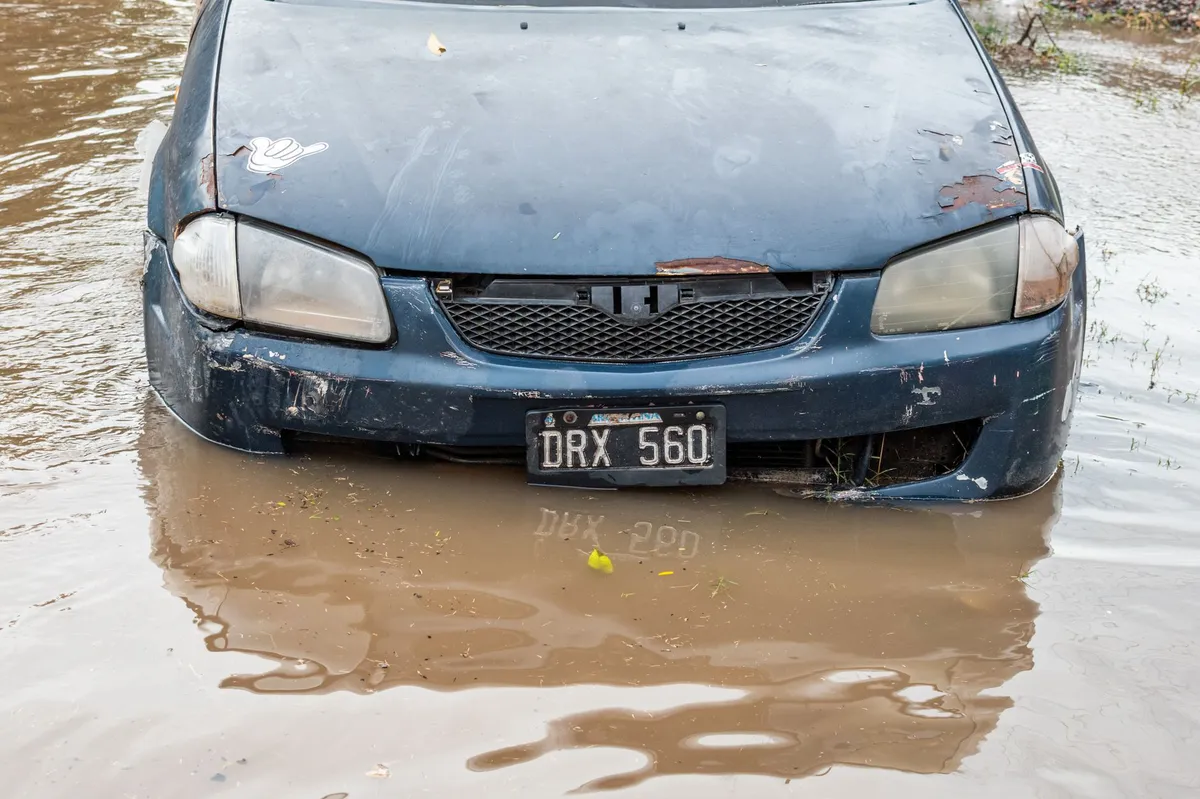
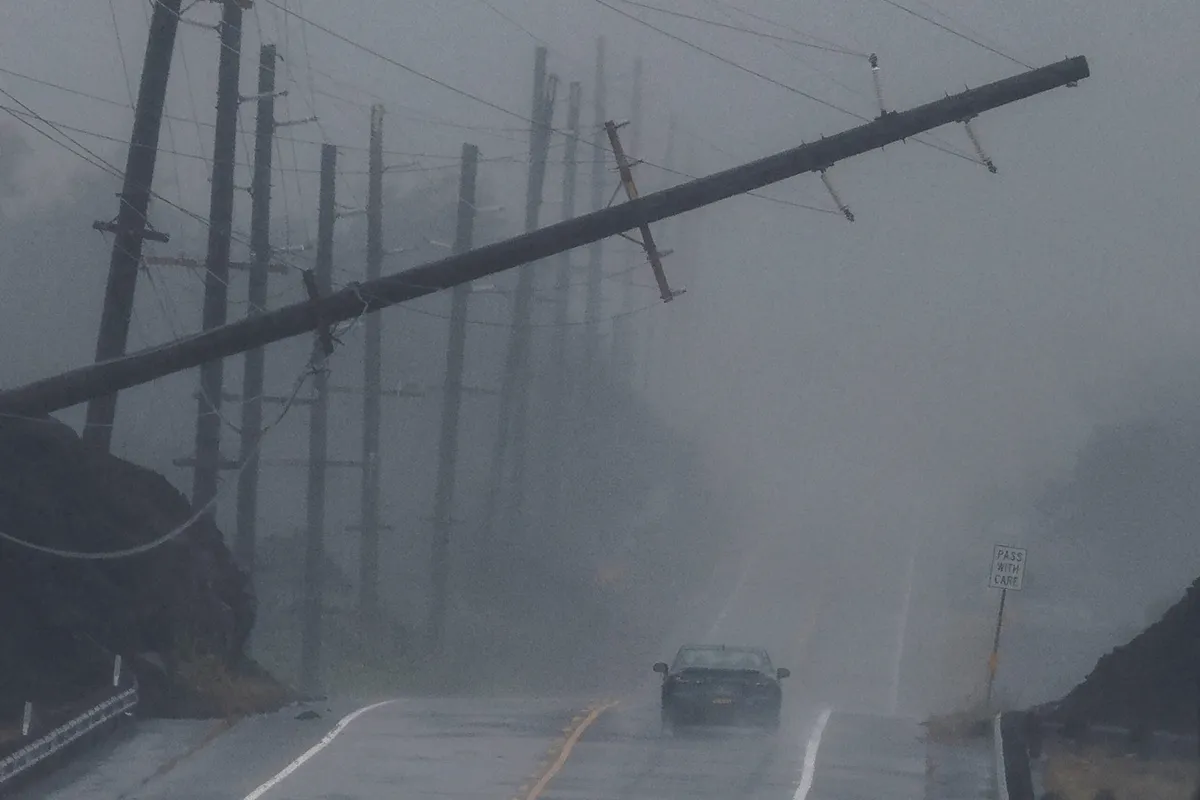
Hurricane Lala, a Category 1 storm that skirted the Big Island of Hawaii, unleashed torrential rains exceeding 32 inches in some areas, leading to devastating flash floods and mudslides that displaced over 100 properties. Tragically, one person lost their life in a vehicle accident related to the storm. At its peak, more than 200,000 households were without power, and while Lala has since weakened to a tropical storm, warnings remain in effect across all major islands. The aftermath of this storm has brought to light serious vulnerabilities in Hawaii's insurance framework, particularly concerning flood and wind damage coverage.
The complexities of Hawaii's insurance market can be traced back to Hurricane Iniki in September 1992, which marked a watershed moment in the state’s approach to risk management. Iniki, a Category 4 hurricane, caused catastrophic damage amounting to approximately $3 billion, resulting in the deaths of six individuals and injuries to around 100. Following this disaster, many insurers withdrew from the Hawaii market, prompting the establishment of the Hawaii Hurricane Relief Fund to stabilize the remaining residential property market. This history has led to a fragmented insurance landscape, where hurricane wind coverage, flood coverage, and standard property coverage are treated as separate products, each governed by different carriers, triggers, deductibles, and claims processes.
The Fragmented Insurance Landscape
For homeowners affected by Hurricane Lala, navigating the insurance claims process has become a daunting task. Many residents must juggle multiple policies, often without a clear understanding of their coverage. As highlighted by Zephyr Insurance, a local insurance provider, standard homeowners policies typically exclude both hurricane wind and flood damage, necessitating the need for separate flood insurance under the National Flood Insurance Program (NFIP) or through private flood products. Additionally, damage to vehicles requires distinct comprehensive auto coverage.
This fragmentation can lead to significant confusion. For example, a homeowner whose property has suffered both flood and wind damage may find that they need to file separate claims with different insurers, each with its own requirements and processes. The complexity can lead to delays in claim settlements, leaving homeowners in precarious financial situations as they grapple with recovery efforts.

Understanding Flood Insurance in Hawaii
Flood damage is not only a risk during hurricanes but can occur from heavy rainfall, as seen with Lala. This reality underscores the critical importance of flood insurance in Hawaii, especially since many areas are prone to rainfall-driven flooding. However, a report from the Insurance Fairness Project earlier this year revealed that hundreds of thousands of properties across the state do not currently qualify for flood insurance coverage. This lack of coverage is particularly concerning given Hawaii's unique geography and climate, which predispose it to flooding, even when a hurricane does not make landfall.
For homeowners outside FEMA-designated Special Flood Hazard Areas, the decision to forgo flood insurance based on map classifications may prove to be financially disastrous. The Insurance Fairness Project suggests that many of these homeowners may be unaware of their actual risk exposure, which could result in substantial out-of-pocket expenses following a flood event. It's essential for residents to reevaluate their flood coverage needs, especially in light of Lala’s impact.

Market Challenges and Solutions
The fallout from Lala has compounded existing challenges within Hawaii's insurance market, which was already feeling the strain from the 2023 Maui wildfires that destroyed more than 2,200 structures and incurred insured losses exceeding $3.2 billion. The recent disasters have raised critical questions regarding the market's ability to sustain repeated climate-driven catastrophes. Insurers are now faced with the daunting task of reassessing risk models, pricing structures, and coverage options in a rapidly changing climate.
Insurance brokers play a vital role in this dynamic. They must proactively review flood coverage with their clients, especially given that the majority of Lala’s damage stemmed from rain rather than wind. Brokers should also be aware of the options available beyond the NFIP, including private flood products from surplus lines carriers. These alternatives can provide higher limits and broader terms, potentially offering better protection for clients who are increasingly exposed to climate risks.
Navigating Claims After Lala
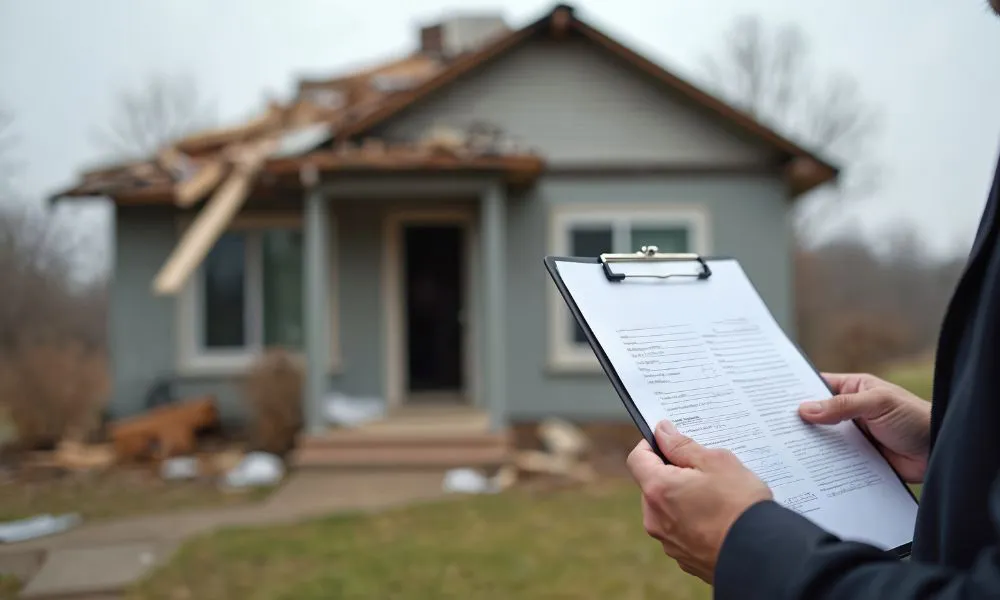
Adjusters working on claims related to Hurricane Lala face the central challenge of Hawaii's fragmented insurance structure. Homeowners may arrive at the claims process without a clear understanding of which policy covers which type of loss, making it essential for adjusters and brokers to provide thorough explanations. The potential for confusion is high, especially as many policyholders may be filing claims for the first time.
To prepare for this process, homeowners should gather all relevant documentation, including policy details and records of damage. It is also advisable for policyholders to reach out to their insurance agents or brokers early in the claims process to clarify coverage specifics and understand the necessary steps to file a claim effectively. This proactive approach can help mitigate delays and ensure that policyholders receive the assistance they need during a challenging time.

Key Takeaways
- Hurricane Lala has exposed significant vulnerabilities in Hawaii's insurance market, particularly regarding flood coverage.
- Homeowners should understand the fragmented nature of their insurance policies, which may cover different types of damage separately.
- Many properties in Hawaii do not qualify for flood insurance, highlighting the need for reassessment of coverage.
- Insurance brokers are essential in guiding clients through complex claims processes and offering alternative coverage options.
- Proactive communication with insurance agents can streamline claims and reduce confusion as homeowners navigate recovery.
Frequently Asked Questions
What types of insurance coverage should Hawaii homeowners consider?
Homeowners in Hawaii should consider multiple types of insurance coverage, including standard homeowners insurance, hurricane wind coverage, and flood insurance. It's crucial to understand that these coverages often function independently, meaning a homeowner may need to purchase separate policies to fully protect against various risks. Additionally, vehicle owners should also have comprehensive auto coverage to guard against potential damage from storms.
Why is flood insurance particularly important in Hawaii?
Flood insurance is vital in Hawaii due to the state's unique geography and climate, which predispose it to rainfall-driven flooding. Many areas experience heavy rainfall, even without a hurricane making landfall. Furthermore, recent events have shown that a significant number of properties in Hawaii do not qualify for flood insurance, leaving many homeowners vulnerable to substantial financial losses. It is essential for residents to assess their flood risk and ensure they have appropriate coverage in place.
How can homeowners effectively navigate the claims process after a storm?
To navigate the claims process effectively after a storm like Lala, homeowners should start by gathering all relevant documentation, including their insurance policy details and records of damage. Reaching out to their insurance agents or brokers early in the process can help clarify coverage specifics and outline necessary steps for filing a claim. Additionally, staying organized and proactive can help mitigate delays and ensure that homeowners receive the assistance they need during challenging times.
What options do homeowners have for flood coverage in Hawaii?
Homeowners in Hawaii have several options for flood coverage, including policies from the National Flood Insurance Program (NFIP) and private flood products from surplus lines carriers. The NFIP offers standard flood insurance, but private flood products may provide higher coverage limits and broader terms. Homeowners should consult with their insurance brokers to explore these options and determine which coverage best meets their needs, particularly in light of changing climate risks.
Comments
Hurricane Lala's Impact: A Deep Dive into Hawaii's Ongoing Crisis
Hurricane Lala has left devastation in its wake, causing one fatality and widespread disruption across Hawaii. As the storm continues to threaten the islands, we explore the implications for residents and the insurance landscape.
Related articles

Popular in Home Insurance
- 2026 Sees Below-Average Severe Convective Storm Losses: What It Means for Insurance
- El Niño and Wildfires: Preparing for a Fire-Prone Future
- Young Affluent Collectors: The Underinsurance Dilemma in Luxury Investments
- Wisconsin Property Owner Sues City and Insurers Over Contamination Cleanup Costs
- Rising Catastrophe Risks: How Europe’s Insurers Are Adapting to Climate Change