Texas Windstorm Insurance Association Faces Racketeering Allegations
A federal lawsuit accuses the Texas Windstorm Insurance Association of manipulating Hurricane Beryl claim estimates, affecting thousands of homeowners. As the case unfolds, the implications for policyholders and the insurance industry are profound.
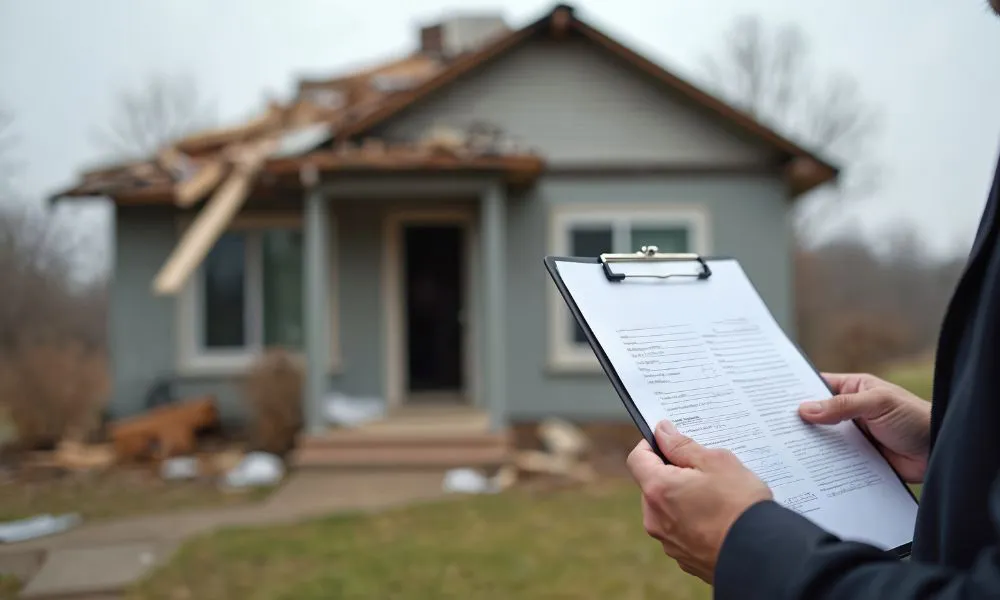
In a striking legal battle that could reshape the landscape of insurance claims in Texas, three homeowners from the Galveston area have initiated a federal racketeering lawsuit against the Texas Windstorm Insurance Association (TWIA). Filed on August 13, 2026, in the US District Court for the Southern District of Texas, the lawsuit alleges a systematic attempt by TWIA to reduce repair estimates for Hurricane Beryl claims while obscuring the true nature of these changes from policyholders. The implications of this case extend beyond the individual claims, potentially impacting thousands of Texas homeowners who rely on TWIA as their insurer of last resort.
The plaintiffs argue that the TWIA engaged in deceptive practices that not only manipulated the financial outcomes of claims but also withheld vital information from policyholders about the adjustments made to their estimates. By invoking the federal Racketeer Influenced and Corrupt Organizations Act (RICO), the lawsuit seeks to classify the alleged actions as part of a broader pattern of misconduct that could affect an estimated 34,000 claims related to Hurricane Beryl, which struck the Texas coastline.
Context of the Allegations
The allegations center around claims made after Hurricane Beryl, where the plaintiffs assert that TWIA made significant cuts to the repair estimates provided to homeowners. These reductions are not just minor adjustments; they are substantial, with reported decreases in estimates by as much as 66.12% in some cases. The lawsuit claims that one estimate dropped from $90,948.48 to $30,816.74, representing a staggering loss for the homeowner. Such drastic reductions raise questions about the integrity of the claims process and the oversight mechanisms in place at TWIA.
According to the complaint, the process of estimating damages involved field adjusters who inspected properties and generated repair estimates using Xactimate, a widely utilized estimating software in the insurance industry. However, the complaint alleges that the real trouble began when a reviewer, who did not physically inspect the properties, gained electronic access to these files and unilaterally lowered the estimates. This manipulation was executed without the knowledge or consent of the original field adjuster, effectively committing what the plaintiffs describe as fraud over authorship.

The Legal Framework: RICO and Its Implications
The plaintiffs’ decision to invoke the RICO statute is particularly noteworthy. Traditionally used to combat organized crime, RICO allows for severe penalties, including treble damages for wrongful acts committed as part of a conspiracy. In this case, the plaintiffs allege that the manipulation of claims estimates involved interstate communications that concealed the identities of those altering the estimates, thereby constituting interstate wire fraud.
The case's potential class certification could encompass thousands of policyholders who may have experienced similar reductions. If successful, this approach could not only result in significant financial restitution for affected homeowners but also compel TWIA to overhaul its claims process and increase transparency. The implications for the broader insurance industry are profound, as similar practices could be exposed at other insurers, leading to a reevaluation of claims handling across the sector.
Dissecting the Claims Process
Understanding the intricacies of the claims process is crucial for policyholders. The allegations against TWIA highlight several key points that all homeowners should be aware of:
- Estimates and Adjustments: The claims process typically begins with a field adjuster who assesses the damages and creates an initial estimate. However, the involvement of reviewers who do not inspect properties can lead to significant variances in final estimates.
- Transparency Issues: Homeowners should be aware that changes made to estimates may not always be clearly communicated. The plaintiffs allege that reviewers changed estimates without collaboration or proper documentation, which can leave policyholders in the dark about how their claims are being handled.
- The Role of Software: Tools like Xactimate are essential in the claims process, but the reliance on technology can also introduce vulnerabilities. Homeowners should inquire into how their claims are processed and whether they can access original estimates and any subsequent changes.
- Legal Recourse: The RICO allegations underscore the importance of legal protections for consumers. Homeowners facing similar issues may consider seeking legal counsel to explore their options.
TWIA's Response and Future Implications
As of now, TWIA has not publicly responded to the allegations made in the lawsuit. However, the stakes are high for the association, which serves as a critical insurer for many homeowners in coastal Texas. With more than 34,000 claims filed after Hurricane Beryl, the potential financial ramifications of the lawsuit could be enormous, not only affecting TWIA's fiscal health but also its reputation among policyholders.
Moreover, if the court grants class certification to the plaintiffs, it could pave the way for a larger movement among policyholders who feel wronged by their insurers. This case may encourage more individuals to come forward with their own claims of improper handling, potentially leading to a wave of litigation against TWIA and other insurers who may engage in similar practices.

Key Takeaways
- The lawsuit against TWIA alleges significant manipulation of Hurricane Beryl claims.
- RICO laws may allow for severe penalties and could affect thousands of policyholders.
- Transparency and communication in the claims process are crucial for homeowners.
- Legal counsel may be essential for policyholders facing similar claims issues.
Frequently Asked Questions
What is the significance of the RICO statute in this case?
The RICO statute is significant because it allows the plaintiffs to seek treble damages for the alleged misconduct, which could lead to substantial financial penalties for TWIA if the case is successful. This legal avenue is typically reserved for organized crime and could indicate the seriousness of the allegations.
How can homeowners protect themselves during the claims process?
Homeowners can protect themselves by documenting all communications with their insurance adjusters, requesting copies of all estimates, and being vigilant about any changes made to their claims. It’s also advisable to understand the claims process thoroughly and to seek legal advice if there are discrepancies or concerns about how a claim is being handled.
What are the potential outcomes of this lawsuit?
Possible outcomes of the lawsuit could include a ruling in favor of the plaintiffs, leading to financial compensation for affected policyholders, or a dismissal of the case if the court finds insufficient evidence of wrongdoing. Additionally, a favorable ruling could prompt TWIA to change its claims practices and improve transparency.
How does this case reflect on the insurance industry as a whole?
This case highlights systemic issues within the insurance industry regarding claims handling and transparency. If the allegations are proven true, it could lead to a broader reevaluation of practices across the industry, potentially prompting reforms that would protect consumers and ensure fair treatment in claims processing.
Comments
Hurricane Lala's Impact: A Deep Dive into Hawaii's Ongoing Crisis
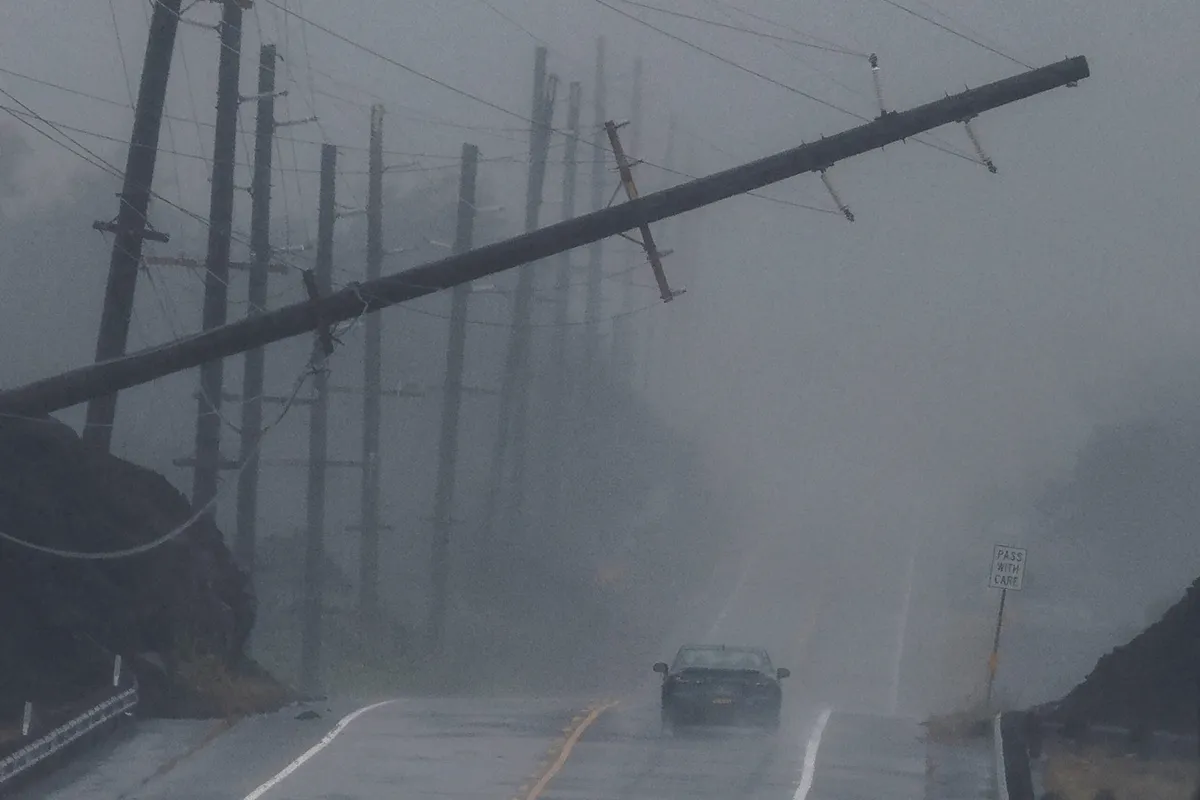
Hurricane Lala has left devastation in its wake, causing one fatality and widespread disruption across Hawaii. As the storm continues to threaten the islands, we explore the implications for residents and the insurance landscape.
Related articles

Popular in Home Insurance
- 2026 Sees Below-Average Severe Convective Storm Losses: What It Means for Insurance
- El Niño and Wildfires: Preparing for a Fire-Prone Future
- Young Affluent Collectors: The Underinsurance Dilemma in Luxury Investments
- Wisconsin Property Owner Sues City and Insurers Over Contamination Cleanup Costs
- Rising Catastrophe Risks: How Europe’s Insurers Are Adapting to Climate Change