Florida Court Ruling: Insurers Cannot Avoid Attorney Fees by Choosing Repairs
A Florida appeals court has ruled that insurers cannot escape attorney fees by opting for repairs instead of direct claim payments. This decision highlights significant implications for policyholders and insurance companies alike.
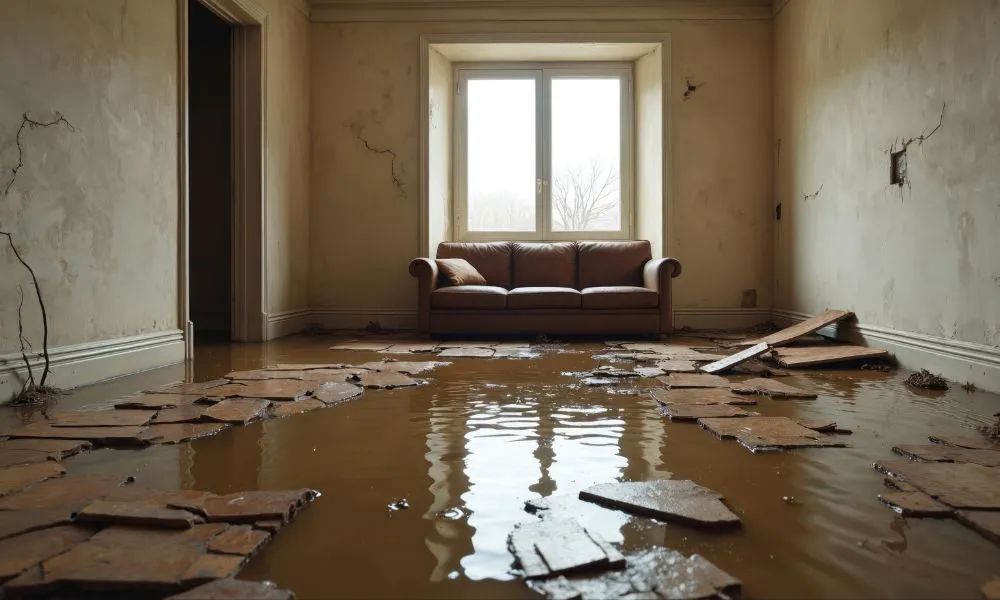
In a landmark decision with far-reaching implications for homeowners and insurers alike, Florida's Fourth District Court of Appeal recently ruled that insurers cannot avoid paying attorney fees simply by opting to repair damaged property instead of issuing direct payouts for claims. This ruling, delivered on August 12, 2026, overturns a previous trial court decision and reinforces the legal protections afforded to policyholders under Florida law.
The case centers on a dispute involving two condominium owners whose home was severely damaged by a water supply line break in 2015. Their insurer, Avatar Property and Casualty Insurance Company, chose to initiate repairs instead of providing a cash settlement for the damage. In doing so, the court found that they created a Drew repair contract, which legally binds the insurer to restore the property to its pre-loss condition. However, the quality of the repairs performed was disputed, leading to a protracted legal battle that would ultimately bring significant attention to the responsibilities of insurers in Florida.
Understanding the Drew Repair Contract
Florida law allows insurers to opt for repairs rather than pay out claims in cash, a choice codified in what is known as a Drew repair contract. This mechanism aims to ensure that policyholders receive their property back in a satisfactory state without the need for lengthy claims processes. However, this also creates a legal framework that binds insurers to perform the repairs adequately.
Legal Obligations of Insurers
Under the Drew repair contract, insurers are required to restore the property to its pre-loss condition. But what happens when the repairs are deemed deficient? In this case, the condominium owners argued that Avatar's contractor's work was inadequate. Following Avatar's declaration of insolvency in March 2022, the Florida Insurance Guaranty Association (FIGA) stepped in to handle the claim. This organization is responsible for protecting consumers in instances where their insurance providers can no longer fulfill their obligations.
The Role of FIGA and Claims Underpayment
Upon taking over the case, FIGA initially offered to pay just $19,000, which the company later acknowledged was a mistake. This payment was significantly lower than the owners' contractor's estimate of $49,674.94 for the necessary repairs. Moreover, FIGA attempted to cut costs by denying items related to “Ordinance and Law” coverage—an essential component that ensures properties meet current building codes and regulations following damages.
The Importance of Ordinance and Law Coverage
Ordinance and Law coverage is crucial for homeowners, especially in cases of significant damage. It covers the cost associated with bringing a building up to code, which can include necessary electrical upgrades or architectural adjustments. The fact that FIGA attempted to limit their liability by excluding these costs only added fuel to the fire of this legal dispute.
Implications for Policyholders and Insurers
The ruling from Florida's Fourth District Court of Appeal has profound implications for both policyholders and insurers. Insurers must now be acutely aware that choosing to repair rather than pay out claims does not absolve them from the responsibility of attorney fees if disputes arise. This decision reinforces the notion that insurers cannot simply opt for repairs as a means to limit their liability.
- Insurers cannot escape attorney fees: The court clarified that by opting for repairs, insurers still retain liability for any attorney fees related to disputes arising from the repair process.
- Claims underpayment can lead to legal exposure: If an insurer underpays or denies a claim, it may face significant legal repercussions, including the obligation to pay attorney fees.
- Policyholders are protected: The ruling underscores the legal protections available to consumers in Florida, reinforcing their rights when dealing with insurance claims.
Key Takeaways
- Insurers cannot avoid attorney fees by choosing repairs over cash payments.
- The Drew repair contract binds insurers to adequately restore the property.
- Ordinance and Law coverage is vital for ensuring compliance with current building codes.
Frequently Asked Questions
What is a Drew repair contract?
A Drew repair contract is a legal agreement that allows insurers to choose to repair damaged property instead of paying out a cash settlement. It binds the insurer to restore the property to its pre-loss condition and holds them accountable for the quality of the repairs.
How does the Florida Insurance Guaranty Association (FIGA) operate?
FIGA is a non-profit organization that protects consumers when their insurance providers become insolvent. It steps in to handle claims and ensures that policyholders receive compensation for covered losses up to certain policy limits.
What are the implications of this court ruling for future claims?
The ruling establishes a precedent that insurers cannot evade their responsibilities by opting for repairs. It creates a clearer path for policyholders seeking legal recourse in the event of deficient repairs or underpayment of claims, reinforcing the importance of legal protections for consumers.
What should policyholders do if they face a similar situation?
Policyholders who find themselves in disputes over repairs or underpayments should document all communications with their insurer, including repair estimates and any contracts. Consulting with an attorney who specializes in insurance claims can also help navigate the complexities of the claims process and enforce their rights under Florida law.
Comments
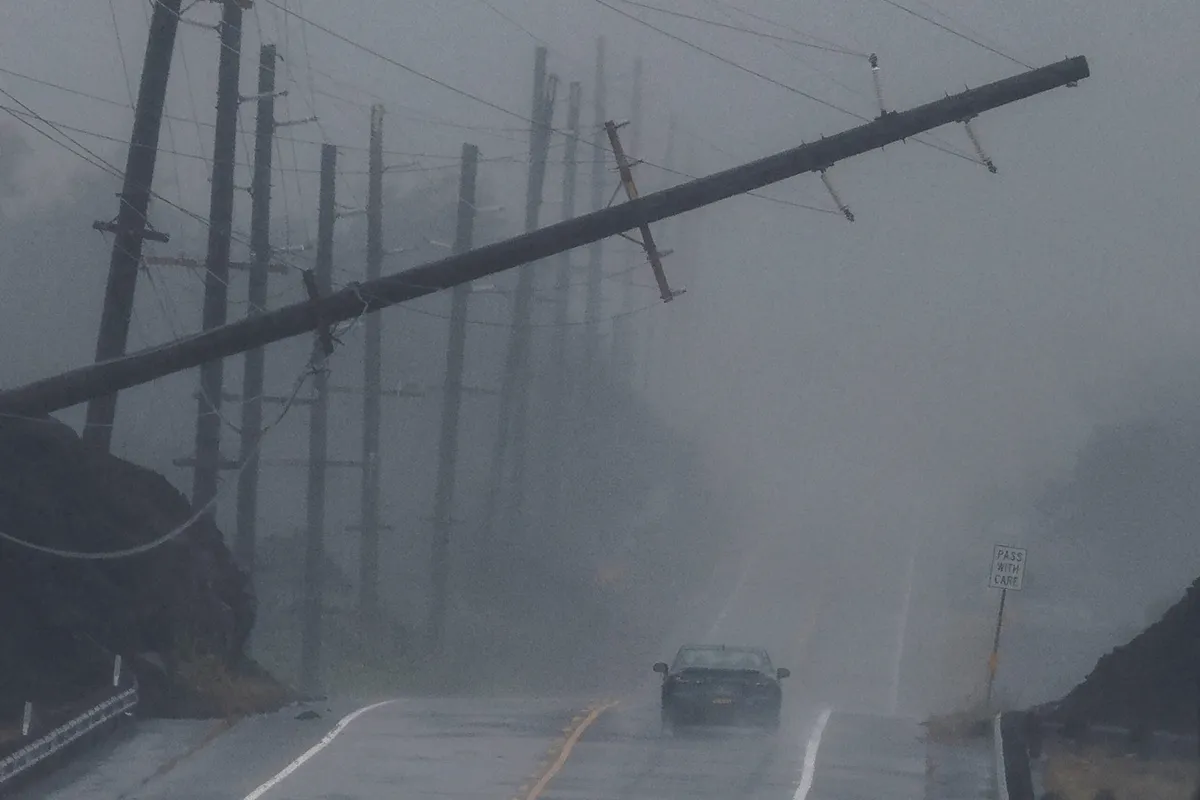
Hurricane Lala's Impact: A Deep Dive into Hawaii's Ongoing Crisis
Hurricane Lala has left devastation in its wake, causing one fatality and widespread disruption across Hawaii. As the storm continues to threaten the islands, we explore the implications for residents and the insurance landscape.
Related articles
Popular in Home Insurance
- 2026 Sees Below-Average Severe Convective Storm Losses: What It Means for Insurance
- El Niño and Wildfires: Preparing for a Fire-Prone Future
- Young Affluent Collectors: The Underinsurance Dilemma in Luxury Investments
- Wisconsin Property Owner Sues City and Insurers Over Contamination Cleanup Costs
- Rising Catastrophe Risks: How Europe’s Insurers Are Adapting to Climate Change